The Truth About BPA: Which Packaging Carries Risks and How to Avoid It

The Truth About Bisphenol A (BPA): Which Packaging Is at Risk and How to Avoid It

BPA is one of the most discussed topics in food packaging in recent years. From plastic water cups to the inner coating of cans, the “BPA hazard theory” has made many consumers wary of plastic packaging. As a flexible packaging factory, we want to clarify this topic in one article: where exactly does BPA hide in packaging, how big is the risk, and how to avoid it at the source. A rational understanding of BPA matters more than blind panic.

How to Choose Pet Food Packaging Pouches? 5 Key Points for Cat and Dog Food Packaging

How to Choose Pet Food Pouches? 5 Key Points for Cat and Dog Food Packaging

Pet food is one of the fastest-growing consumer categories in recent years, and the pet food pouch — as the “second salesperson” — directly affects shelf life, shelf appeal and repurchase rate. Cat and dog food are high in oil content and rich in nutritionally active ingredients, so their packaging barrier, sealing and safety requirements are even higher than some human foods. How do you choose pet food pouches professionally? We build a complete selection framework from five key points. If you are not yet familiar with pouch type design, you can start with our complete stand-up pouch guide.

EU EPR Packaging Compliance Guide: Full Registration and Reporting Process for Exporters

EU EPR Packaging Compliance Guide: The Full Registration and Reporting Process for Exporters

For companies exporting to the EU market, EPR (Extended Producer Responsibility) is no longer an “option” but a compliance threshold for entering the European market. Since 2023, major countries such as Germany and France have progressively tightened packaging law enforcement; companies that fail to complete EPR registration and reporting face delisting, fines and even sales bans. What exactly is EU EPR? Which countries must packaging exporters register in? What is the full registration and reporting process? Based on our hands-on experience serving cross-border clients, this article provides a complete guide.

amazon-packaging-requirements

Amazon Packaging Requirements Explained: SIOC vs Frustration-Free Packaging

Amazon Packaging Requirements Explained: How to Choose Between SIOC and Frustration-Free Packaging

Amazon packaging requirements are rules every cross-border seller must understand before listing products. SIOC and Frustration-Free Packaging are the two most frequently mentioned concepts. Many sellers are confused when they first hear these terms — not knowing the difference or which one their product should use. Drawing on our practical experience serving cross-border clients, this article explains these two concepts in Amazon packaging requirements in plain terms.

vacuum-bag-material-guide

What Material Should Vacuum Pouches Use? Barrier Layer Selection Is the Key to Vacuum Packaging Success

What Materials Are Used in Vacuum Pouches? Barrier Layer Choice Is the Key to Vacuum Packaging Success

What materials are used in vacuum pouches directly determines the fresh-keeping effect and service life of vacuum packaging. Many customers new to vacuum packaging assume any plastic bag can be vacuum sealed — then end up with leaks or substandard shelf life. As a professional vacuum pouch manufacturer, we want to explain this clearly from the material structure perspective: the core of a vacuum pouch is not the “vacuuming” action itself, but the choice of barrier layer material. This article breaks down common vacuum pouch material combinations, the role of each layer, and how to choose for different foods.

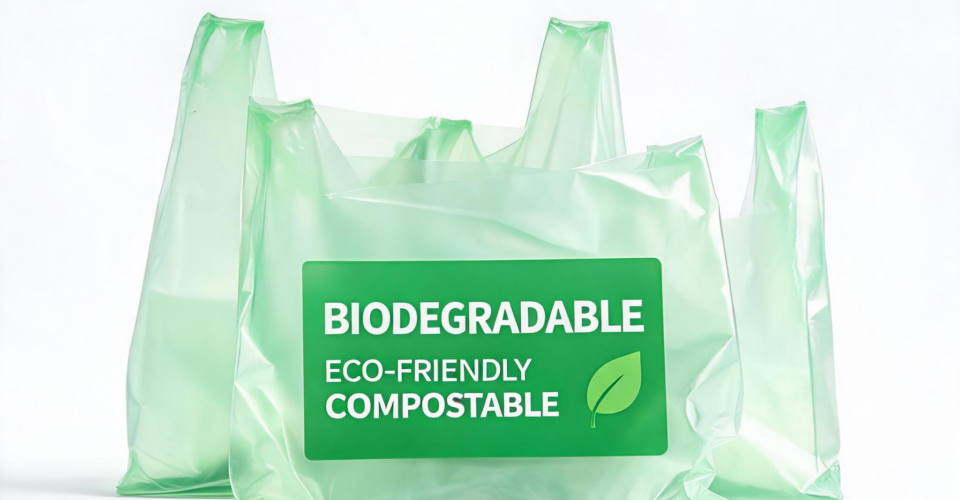
How to Tell Real Biodegradable Plastic Bags from Fakes? 5 Practical Methods to Avoid Traps

How to Tell Real Biodegradable Plastic Bags from Fakes? 5 Practical Methods to Avoid Traps

As the plastic ban advances nationwide, “biodegradable plastic bags” have become a buzzword in supermarket, delivery and e-commerce packaging. But the market is full of mixed quality: some bags genuinely decompose under specific conditions, while others are just ordinary PE bags with new marketing claims and a higher price. How to tell real biodegradable plastic bags from fakes is a question consumers and buyers cannot avoid. This article combines frontline production and testing experience to give you 5 practical identification methods that require no professional equipment.

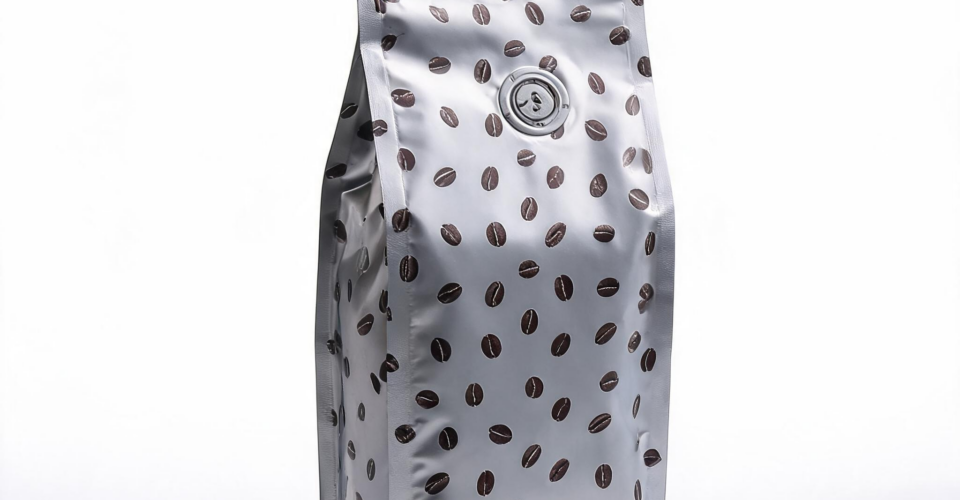
The Complete Guide to Coffee Pouches: How to Choose Coffee Bean Packaging and Why the Degassing Valve Is the Soul

The Complete Guide to Coffee Pouches: How to Choose Coffee Bean Packaging and Why the Degassing Valve Is the Soul

The coffee pouch is the most worthwhile part of a coffee brand’s packaging investment. The same specialty coffee beans, packed in an ordinary plastic bag versus a professional coffee bean pouch, will differ dramatically in flavor preservation. Many new coffee brands ask: how do I choose a coffee pouch? Why do most coffee pouches on the market have a small round valve? What exactly does the degassing valve do? From a flexible packaging factory perspective, this article clearly explains coffee pouch structure, materials, degassing valve principles and buying points to help you choose right the first time.

Resealable Pouches and Heat-Sealed Pouches Fully Explained: What’s the Difference from Zipper Pouches?

What are resealable pouches and heat-sealed pouches? Basic concepts

Resealable pouches and heat-sealed pouches are among the most common flexible packaging forms in daily life, widely used for food, daily necessities, electronics and more. Although the two pouch types share functional similarities, they differ clearly in structural design, sealing principle and suitable scenarios. This article gives a complete explanation of the features, differences and buying points of resealable and heat-sealed pouches. Resealable pouches (also called zipper pouches or press-lock pouches) seal through a built-in male-female interlocking structure at the pouch mouth. Common resealable pouches come in press-to-close and slider types: press-to-close pouches require pressing along the zipper to seal.

The Complete Guide to PLA: An In-Depth Look from Polylactic Acid to Packaging Applications

What is PLA? A comprehensive introduction to polylactic acid

PLA (Polylactic Acid) is a bio-based plastic made from renewable plant resources such as corn starch, cassava or sugarcane, by fermenting them into lactic acid and then polymerizing it. As one of the most commercially successful biodegradable materials, PLA is showing increasingly important application value in food packaging. It not only offers the processing performance of traditional plastics, but also unique biodegradable properties, making it a popular solution to plastic pollution.

Why Are 8-Side Seal Flat Bottom Pouches So Popular? Structural Advantages and Market Analysis

Why Are 8-Side Seal Flat Bottom Pouches So Popular? A Full Analysis from Structure to Market

In the packaging market of recent years, the 8-side seal flat bottom pouch (also called 8-side seal pouch or flat bottom pouch) is one of the most eye-catching pouch types. From specialty coffee beans to premium snacks, from pet food to tea gift boxes, 8-side seal flat bottom pouches are almost everywhere. Why has this pouch type quickly become the industry’s “hot favorite”? Where exactly are its structural advantages? Which products suit it? This article fully analyzes the popularity of 8-side seal flat bottom pouches from four dimensions: structure, shelf performance, user experience and production process.

Please enable JavaScript in your browser to complete this form.
=