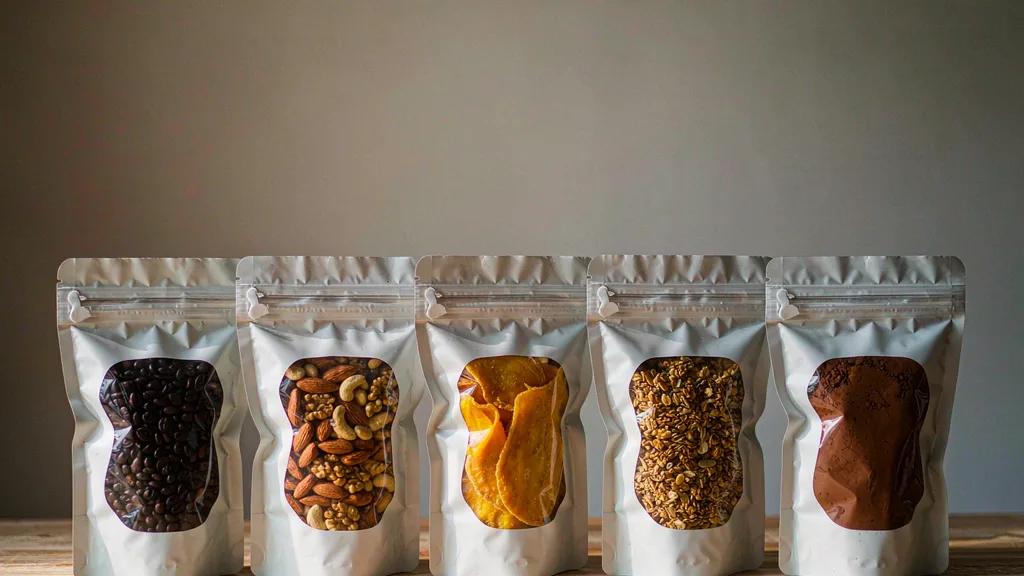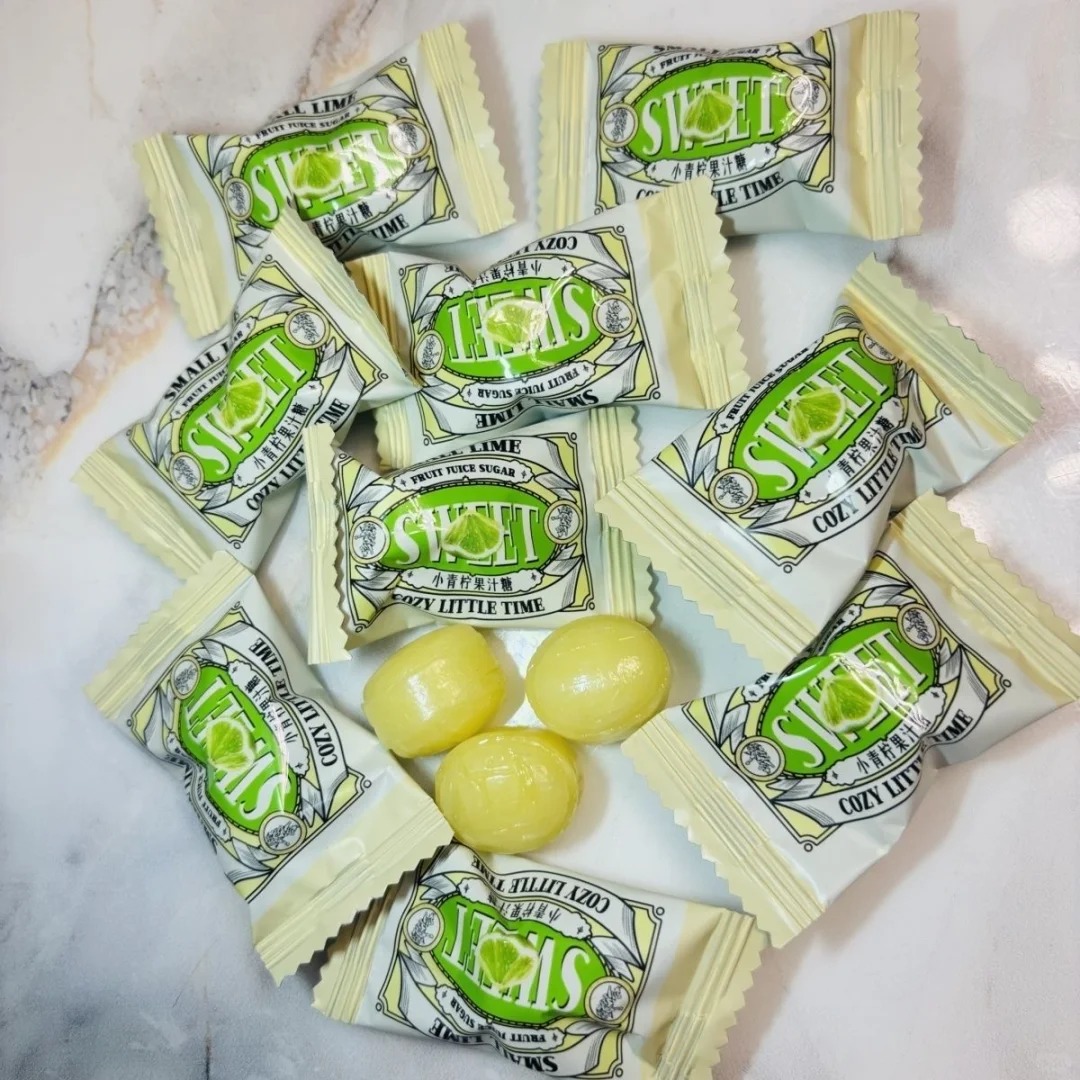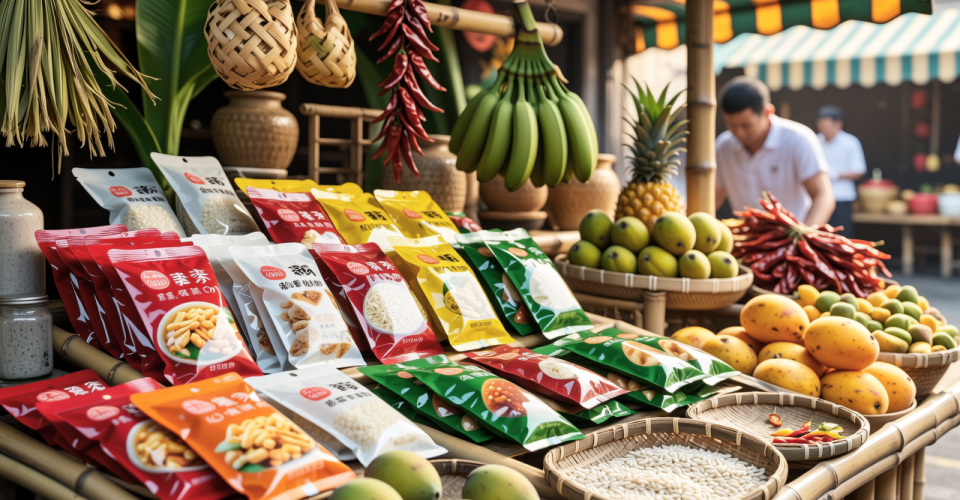
The Southeast Asia Packaging Market has become one of the most attractive growth destinations for Chinese flexible packaging exporters. Unlike the mature and saturated markets of Europe and North America, Southeast Asia combines a young population, rapidly expanding food and beverage consumption, and a booming e-commerce sector, while local packaging capacity remains concentrated at the low end. As a result, a large share of mid-range and premium flexible packaging is still imported. This guide examines demand characteristics, regulatory requirements, logistics costs and common pitfalls so that exporters can enter the region with a clear strategy.
Why Southeast Asia Is the Next Growth Frontier for Packaging
Three forces are driving the growth of the Southeast Asia packaging market. First, demographics and urbanization: the middle classes of Indonesia, Vietnam and the Philippines are expanding quickly, lifting consumption of convenience food, ready-to-drink beverages and personal care products. Second, e-commerce is booming: Shopee, Lazada and TikTok Shop have turned the region into one of the fastest-growing online retail zones, creating strong demand for courier bags, protective mailers and e-commerce specific pouches. Third, there is a real supply gap: local converters mainly produce basic films and bags, so high-barrier structures, high-quality printing and compliant food-contact packaging must be sourced from abroad. That gap is exactly where experienced Chinese exporters can compete.
Industry estimates put the annual growth of Southeast Asian flexible packaging at over 5 percent, with Vietnam and Indonesia leading the way. For companies already exporting to the United States or Europe, the region offers a valuable second growth curve that reduces dependence on any single market.
Understanding Demand Differences by Country
A one-size-fits-all approach does not work in this region. Vietnam is currently the hottest destination: global supply chains for electronics and apparel have shifted there, food processing for export is thriving, and demand for packaging that meets Western standards is strong. Indonesia, with more than 270 million people, is the largest consumer market in Southeast Asia; Halal certification is a practical requirement for food packaging, and label claims and material declarations must be adapted accordingly. Thailand has a mature food industry and is one of the region’s largest food exporters, so hygiene standards and print quality expectations are high. Malaysia and Singapore are smaller but wealthier markets with strong acceptance of premium and eco-friendly packaging. The Philippines is growing fastest in e-commerce, where affordable courier and delivery bags are in high demand.
Regulations and Certification Requirements
Food-contact packaging rules differ from country to country, and exporters must verify requirements market by market. Indonesia requires registration with BPOM, including material declarations and label review. Vietnam’s regulatory framework is gradually aligning with international standards and expects conformity declarations and test reports. Thailand applies its industrial standards (TIS) and food law to packaging. Because ASEAN members do not yet fully mutualize packaging rules, the same pouch exported to several countries may need multiple sets of documents.
A practical approach is to build the product on internationally recognized baselines such as FDA or EU 10/2011, then add the specific tests required by the target country. This keeps quality consistent without developing a separate product for every market. For a broader view of how regional rules compare, see our analysis of European packaging regulations trends and the lessons that apply globally.
Logistics Costs and Shipping Considerations
Short shipping distances and low sea freight rates give Southeast Asia a clear cost advantage over long-haul routes to the United States or Europe. Still, several details deserve attention. Indonesia is an archipelago: after cargo arrives at Jakarta, inland or inter-island transport can add significant time and cost. Multi-SKU orders are common in the region, so standardizing pouch sizes improves container utilization and reduces logistics expenses. Documentation also matters: the Form E certificate of origin unlocks preferential tariffs under ASEAN trade agreements, and missing paperwork is one of the most frequent causes of customs delays. For more detail on protective packaging for export shipments, see our export packaging design for sea, air and courier guide.
Common Risks and How to Avoid Them
Four risks deserve special attention when entering Southeast Asia. Policy risk: some countries adjust import duties or introduce local content requirements, so tariff classifications should be reviewed before each shipment. Payment risk: smaller local buyers often ask for credit terms; new customers should be offered prepayment or a deposit plus balance structure. Currency risk: several regional currencies are volatile, so quotes should hedge exchange rates or build in a buffer. Intellectual property risk: design registration is inconsistent across the region, and important artwork and trademarks should be registered locally before large volumes enter the market.
Summary and Recommendations
The Southeast Asia packaging market is a long-term opportunity, but the smartest entry strategy is to focus first on one or two core countries, master the regulations, channels and logistics there, and then replicate the model in neighboring markets. OMOpack has extensive experience delivering export food packaging across borders, from material selection to compliance documentation. Contact our team to discuss your export packaging project.
Visit OMOpack.com for more packaging knowledge and industry insights.