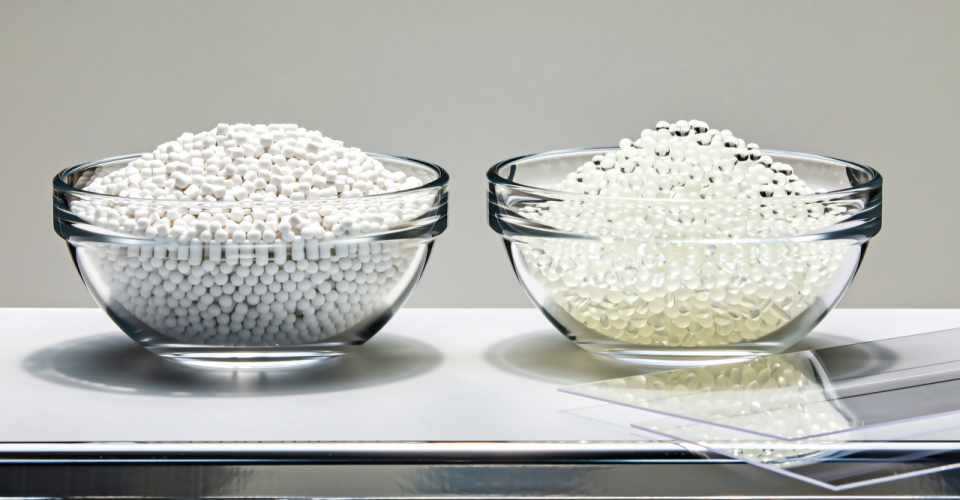
PLA and PBAT are the two most widely used biodegradable plastics in the world today, and understanding the PLA vs PBAT difference is the key to choosing compostable packaging that performs. The difference between them decides whether a bag survives the checkout counter or falls apart in the customer’s hand. PLA (polylactic acid) is made from fermented plant starch such as corn and cassava; PBAT (polybutylene adipate terephthalate) is a petroleum-based biodegradable copolyester. Most biodegradable shopping bags, courier pouches, and takeaway containers on the market are made from one of them — or more often, a blend of both. Understanding the PLA vs PBAT difference in stiffness, heat resistance, degradation behavior, and cost will help you choose the right material for your product instead of relying on a “biodegradable” label.
What Are PLA and PBAT?
PLA is the most commercially mature bio-based plastic. It starts as plant starch, which is fermented into lactic acid and then polymerized. PLA offers high transparency, good stiffness, and a glossy surface close to PET, which makes it ideal for clear cups, salad boxes, straws, and trays. Its weaknesses are brittleness and low heat resistance — PLA deforms at around 55 to 60 degrees Celsius, so it cannot hold hot food without distortion.
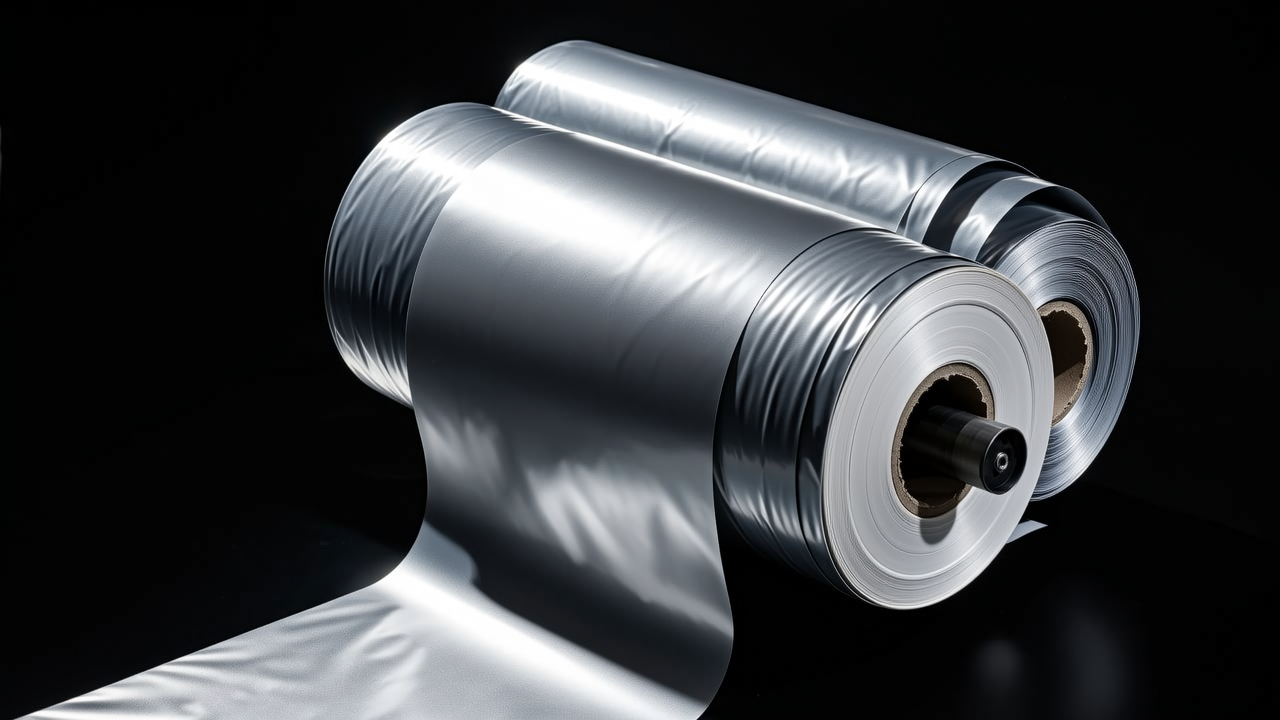
PBAT is a flexible copolyester with a molecular structure similar to low-density polyethylene. It is tough, elastic, and easy to blow into thin films, which makes it the workhorse of biodegradable film packaging. The trade-off is that PBAT is soft, slightly tacky, and not transparent, so it struggles to hold its shape on its own. Our PBAT material guide covers its properties and applications in detail.
PLA vs PBAT: Key Performance Differences
Stiffness and toughness are the most visible differences. PLA is hard and rigid but snaps when bent sharply; PBAT is soft and stretchy and resists tearing. A bag made only from PLA can crack in cold weather or at fold lines, while a bag made only from PBAT is too floppy to stand up on a shelf. That is why you rarely see either material used alone in film applications.
Degradation behavior also differs. Both materials degrade reliably only under industrial composting conditions — around 58 degrees Celsius with high humidity and active microorganisms — and both must meet standards such as EN 13432 to be called compostable. PLA typically breaks down within 3 to 6 months in a composting facility, while PBAT takes roughly 6 to 12 months. In natural soil and seawater, PBAT degrades faster than PLA, but neither disappears quickly in a landfill, so claims that a bag “degrades anywhere” are misleading. Real-world degradation data is discussed in our article on biodegradable packaging degradation time.
Cost is the third differentiator. PLA prices are relatively stable thanks to abundant starch feedstocks, while PBAT follows crude oil prices and fluctuates more. In practice, film prices depend less on the raw polymer and more on the blend recipe and processing conditions, so compare finished film quotes rather than polymer prices alone.
Why Are PLA and PBAT Often Blended?
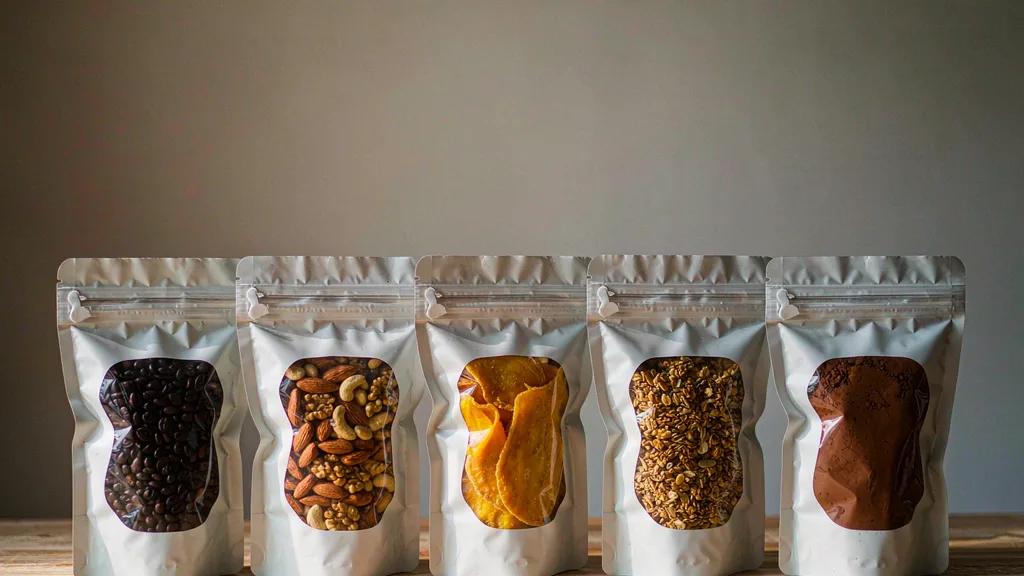
Because each material compensates for the other’s weaknesses, the industry standard is a blend. A typical compostable shopping bag uses 70 to 85 percent PBAT for toughness and film-forming ability, plus 15 to 30 percent PLA for stiffness, printability, and anti-blocking behavior, along with small amounts of compatibilizers and processing aids. The result is a film that survives heavy loads, seals cleanly, prints well, and still passes industrial composting certification. The same logic applies to courier pouches, garbage bags, and pet waste bags.
PLA is also used as a coating layer on paper cups and food containers, replacing traditional PE lamination, while PBAT dominates agricultural mulch film and heavy-duty bags. Knowing where each material excels makes it much easier to evaluate supplier proposals and avoid paying for performance you do not need.
Which One Should You Choose?
Match the material to the application. Choose PLA or PLA-based compounds for transparent, rigid products such as cold cups, salad containers, straws, and fruit trays. Choose PBAT or PBAT-PLA blends for flexible, tear-resistant packaging such as shopping bags, garbage bags, courier pouches, and pet waste bags. For hot food, neither PLA nor PBAT is suitable — consider PP containers or paper-based solutions, and always print clear microwave and temperature warnings. For products that contact food, especially fatty or long-shelf-life items, run migration tests first and confirm the material complies with food contact regulations in your target market.
Finally, always ask suppliers for industrial composting certificates such as EN 13432 or ASTM D6400 and independent test reports, and label your packaging with the certification number and the phrase “industrially compostable.” Accurate labeling is not just good practice — under the EU Green Claims Directive it is a legal requirement, and getting it wrong can trigger fines and reputational damage.
Summary and Recommendations
The PLA vs PBAT difference comes down to one sentence: PLA is the rigid, transparent choice for cups, boxes, and trays, while PBAT is the tough, flexible choice for films and bags — and together they form the backbone of today’s compostable film packaging. Do not buy on the word “biodegradable” alone; evaluate stiffness, heat tolerance, degradation certification, and cost against your actual product requirements.
Looking for a reliable compostable packaging supplier? Contact the OMOpack team — request samples and a quotation and we will help you match the right material to your product.
Visit OMOpack.com for more packaging knowledge and industry insights.