How to choose food packaging bags is one of the most common questions food brands ask us. The same product can be packed in aluminum foil pouches, plain PE bags or vacuum pouches — so what is the real difference? Choosing the right food packaging bags follows a clear decision path: analyze the food first, define the barrier requirement, then select the pouch style and process. This article turns that path into a simple decision map.
Step One: Know What Your Food Fears
Answer three questions before anything else: does the food fear oxygen or moisture? How much water and oil does it contain? What is the target shelf life? Nuts and coffee that oxidize quickly need high-barrier structures; dried goods and tea need strong moisture protection; cooked meat and seafood need barrier plus tight sealing or even vacuum; products that require sterilization must use heat-resistant retort structures. The food’s characteristics define the core function of the package, so this step must come first.
Step Two: Define Barrier and Freshness Needs
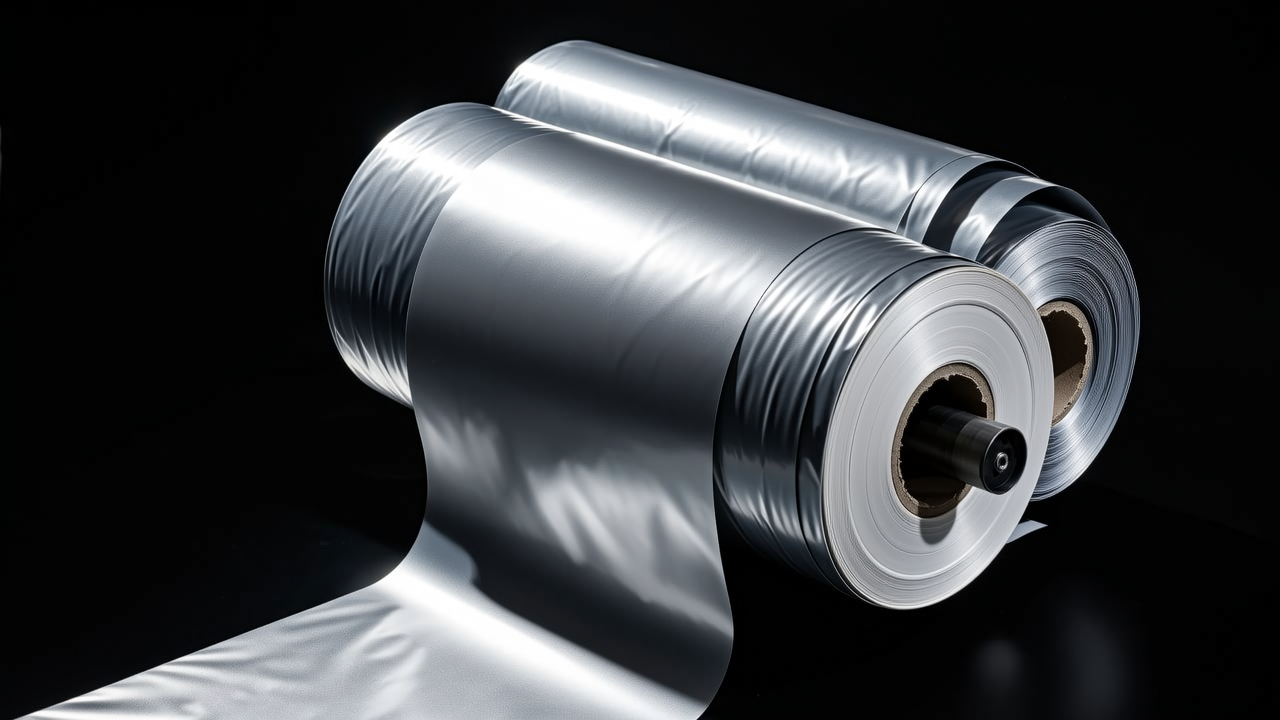
Barrier requirements decide the material structure. Short-term, everyday products work fine with PE or CPP single-layer or simple laminates. For moisture, oxygen and aroma protection, add an aluminum foil or metallized layer, or use EVOH high-barrier film. For extended shelf life of meat and seafood, vacuum packaging with a high-barrier pouch is the mainstream solution. Pouch construction and sealing details are covered in depth in our liquid packaging bags guide, and similar logic applies to dry products like freeze-dried food packaging.
Step Three: Select Pouch Style and Opening
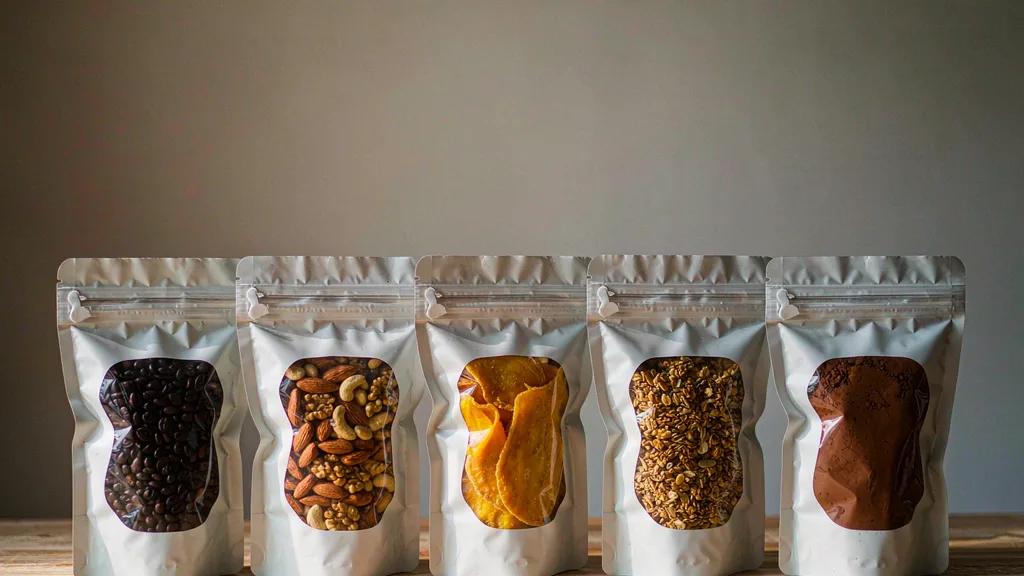
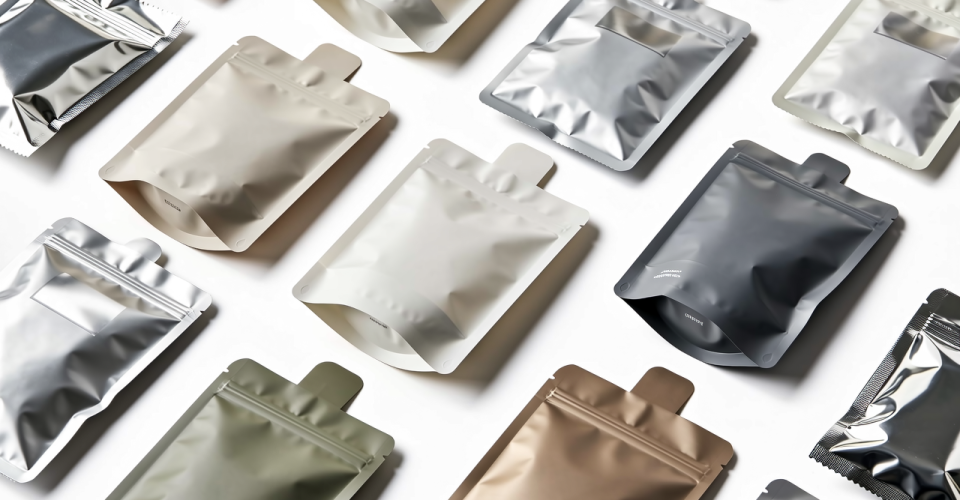
Pouch style affects user experience and shelf display. Stand-up pouches suit powders, granules and products that need to stand on the shelf; zipper pouches suit snacks that are opened and closed repeatedly; spout pouches fit liquids and sauces; three-side seal pouches are the most economical general choice; flat-bottom (eight-side seal) pouches offer a premium look for gift boxes. Openings matter too: tear notches improve convenience, zippers encourage repeat purchases, and spouts make pouring easy.
Step Four: Confirm Printing and Compliance
Printing determines the visual appeal: gravure delivers rich color for large runs, flexo suits mid-size runs with lower plate costs, and digital printing enables fast small-batch iteration. On compliance, any packaging in direct contact with food must use food-grade materials, and exported products must satisfy the regulations of the destination market. Always ask the factory for material compliance documents and test reports, and confirm that inks and adhesives meet food contact standards.
Step Five: Calculate Cost and Minimum Order Quantity
Packaging cost is driven by material structure, printing process, pouch style, quantity and plate fees. More complex structures raise unit price, more colors raise printing cost, and MOQ affects how fixed costs are spread. Set a budget range first, then work backwards to the structure, so you avoid designing a package that exceeds the budget. For trial orders, start with a common structure plus digital printing, validate the market, then upgrade.
The Decision Map in One Picture
Here is the decision map in condensed form: food afraid of oxygen and moisture → high barrier (aluminum foil or EVOH); long freshness needed → vacuum or nitrogen flush; sterilization required → retort pouch; repeated opening → zipper pouch; standing display → stand-up pouch; liquids and sauces → spout pouch; general short-term use → three-side seal PE laminate. Follow this path and choosing food packaging bags stops being a guessing game.
Summary and Recommendations
Choosing food packaging bags is really about three things: characteristics define function, function defines structure, and structure defines cost. Analyze the food, define the barrier, select the pouch style, then control the budget. OMOpack provides one-stop food packaging customization — from material selection and structure design to finished-product testing. Contact us for selection advice and samples, and visit OMOpack.com for more packaging knowledge.