Freeze-dried food packaging is one of the most demanding applications in the flexible packaging industry. Freeze drying removes up to 98% of the water from food, which means the finished product is extremely sensitive to moisture, oxygen and light. If the packaging fails, the crisp texture, natural color and nutritional value of the product are quickly lost. Understanding how moisture control and barrier design work together is therefore essential for any brand that wants to deliver freeze-dried snacks, fruits, coffee or ready meals with a long, reliable shelf life. In this guide we explain the science behind freeze-dried food packaging, the materials that perform best, and the pouch features that keep products fresh from the factory to the consumer’s pantry.
Why Freeze-Dried Food Needs Special Packaging
Unlike fresh or frozen food, freeze-dried food has almost no water left to protect it. Water activity drops to extremely low levels, and the product becomes hygroscopic, meaning it actively pulls moisture out of the surrounding air. A standard plastic bag with moderate water vapor transmission will allow humidity to creep inside over time. The result is a soft, chewy texture where consumers expect a crisp crunch, plus the risk of microbial growth once moisture returns. Oxygen is the second enemy. Many freeze-dried products contain fats and natural pigments that oxidize quickly, causing rancid flavors and faded colors. Light accelerates these reactions further. For these reasons, freeze-dried food packaging must provide a much higher level of protection than ordinary snack packaging.
The same logic applies to other sensitive food categories. For example, our guide to baby food packaging explains how infant nutrition demands even stricter safety and barrier standards, because the products are consumed by the most vulnerable group of users.
Key Barrier Requirements: Moisture, Oxygen and Light
The three most important performance parameters for freeze-dried food packaging are water vapor transmission rate (WVTR), oxygen transmission rate (OTR) and light transmission. WVTR measures how much water vapor passes through the film in a given time, typically expressed in grams per square meter per 24 hours. For freeze-dried food, a WVTR below 1.0 g/m2/24h is recommended, and high barrier structures can achieve values as low as 0.1 to 0.5. OTR measures oxygen permeability in cubic centimeters per square meter per 24 hours. Again, values of 1.0 or lower are typical for aluminum foil laminates. Light protection is achieved either by using an opaque aluminum layer or by printing a dense, light-blocking ink coverage on the outer film.
Testing matters as much as material selection. Reputable suppliers run migration and barrier tests on every structure before mass production, and they can share test reports with brands that request them. A supplier that cannot document WVTR and OTR values should be treated with caution, because the packaging claims in your marketing depend on those numbers.
Pouch Structures and Materials for Freeze-Dried Food
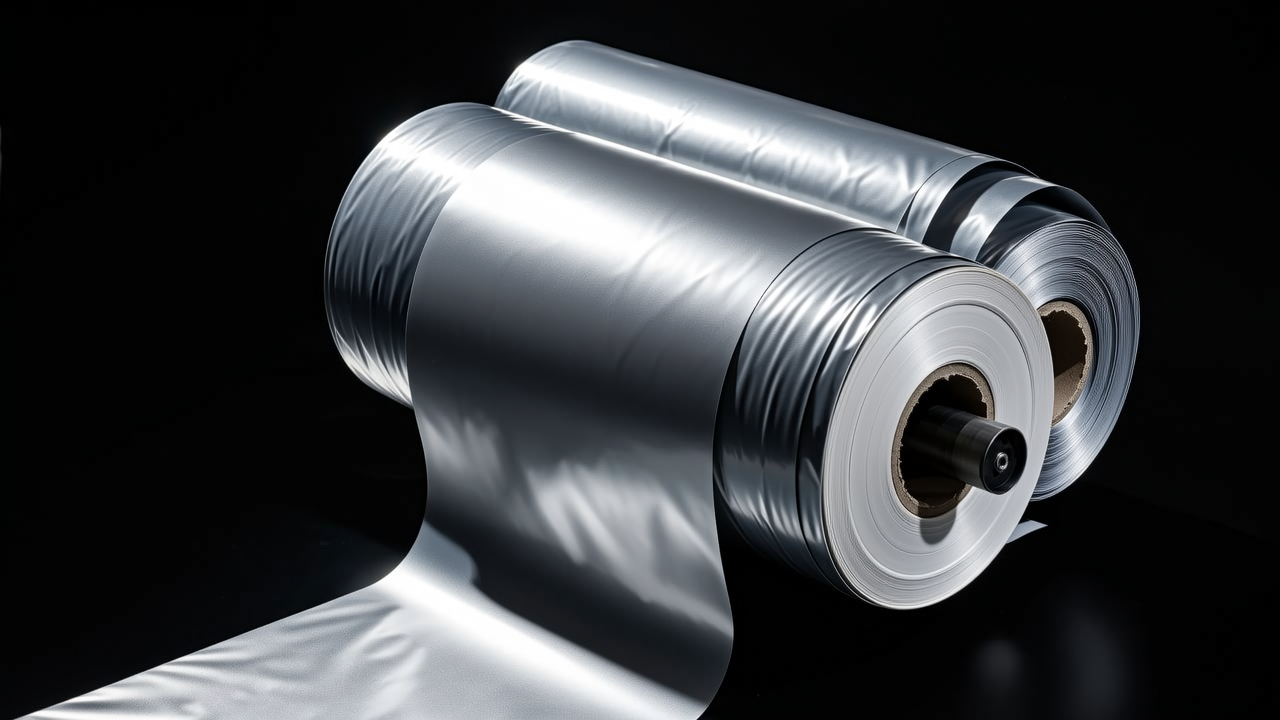
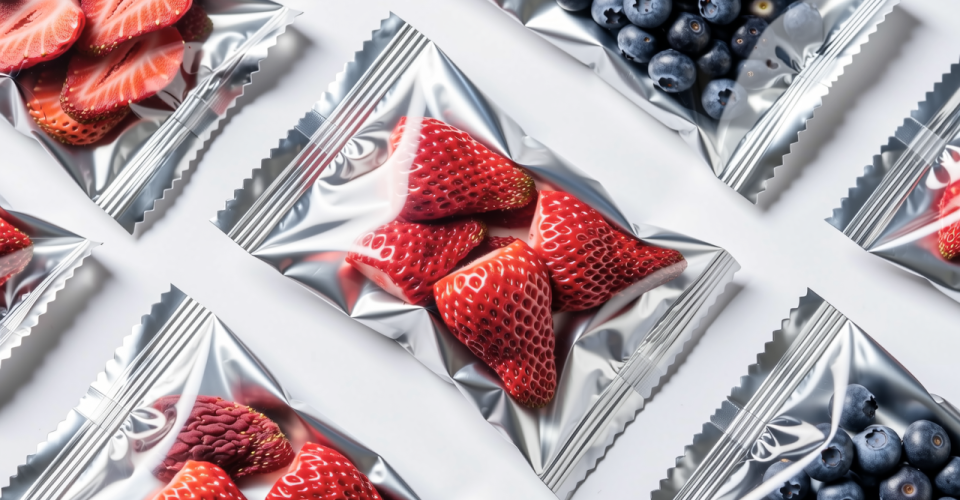
Most freeze-dried food on the market today is packed in a laminated pouch that combines several functional layers. A typical structure looks like this: an outer PET or BOPP layer for printability and scuff resistance, a middle aluminum foil or metallized PET layer for barrier performance, and an inner PE or CPP heat-seal layer that makes the pouch easy to seal and food safe. Aluminum foil offers the highest barrier and gives the pouch a premium metallic look, while metallized PET is lighter, more flexible and more cost effective. Some brands now choose transparent high barrier films such as EVOH laminates when they want consumers to see the product inside, although the barrier performance of EVOH depends on humidity and requires careful engineering.
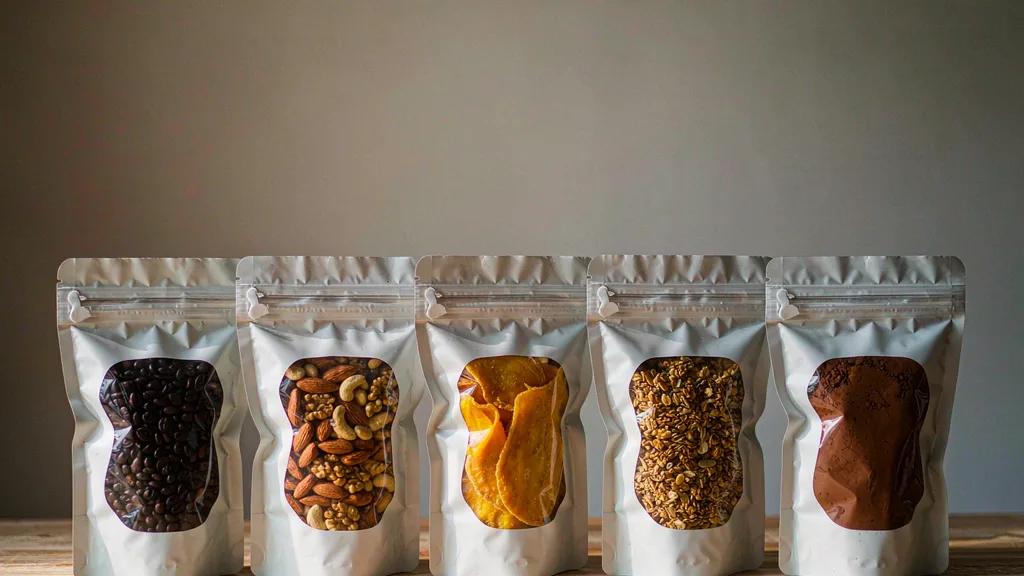
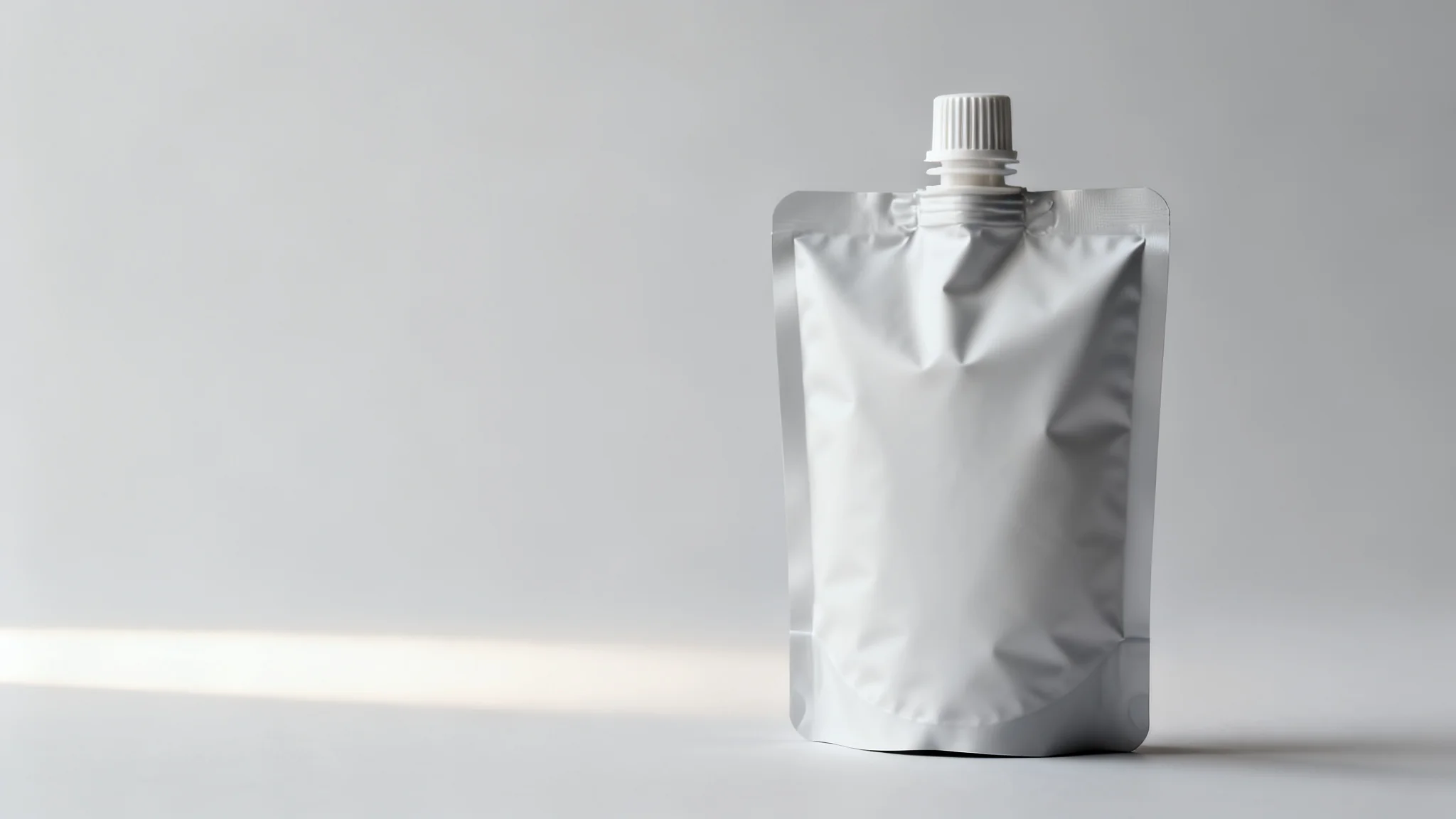
Pouch style is equally important. The stand-up pouch is the most popular choice for freeze-dried snacks and pet food because it stands on the shelf, offers a large printable area and can be fitted with a resealable zipper. Flat pouches are common for single-serving portions, while gusseted bags provide extra volume for bulk ingredients.
Additional Features: Zippers, Tear Notches and Nitrogen Flush
Beyond the film structure itself, several features improve the consumer experience and extend freshness. A zipper allows partial consumption without compromising the remaining product, which is critical for a moisture-sensitive item. A laser tear notch or easy-tear seal makes the pouch effortless to open without scissors. Some brands add a one-way degassing valve when the product releases gases, although this is more common for roasted coffee than for freeze-dried food.
Nitrogen flushing is another powerful tool. By replacing the air inside the pouch with nitrogen before sealing, oxygen levels drop dramatically and oxidation is slowed. The same principle protects nuts and other fatty snacks, as we describe in our article on nut packaging with nitrogen flush. Combining a high barrier pouch with nitrogen flushing can extend the shelf life of freeze-dried food to 18 months or longer, which opens up export opportunities to distant markets.
Choosing the Right Freeze-Dried Food Packaging Partner
Selecting a packaging manufacturer for freeze-dried products is a decision that affects product quality, brand image and total cost. Look for a factory with food-grade production environments, documented testing capabilities and experience with high barrier laminates. Ask about minimum order quantities, sampling lead times and whether they can produce both small trial batches and large commercial runs. A good partner will review your product’s moisture and oxygen sensitivity with you, recommend a structure, produce samples, and validate the barrier performance before you commit to a full order.
Ready to upgrade your freeze-dried food packaging? Contact our team today to discuss barrier structures, pouch styles and testing options. Visit our contact page to get a free consultation and sample quotation. For more packaging knowledge and industry insights, explore OMOpack.com.