For coffee roasters and emerging food brands, packaging has quietly become a sustainability battleground. Shoppers now flip the pouch over to check the recycling mark before they check the price. But here is the uncomfortable truth most brands discover too late: the high-barrier laminate that keeps coffee fresh — PET / aluminum foil / PE, three layers of three different materials — is almost impossible to recycle through conventional streams. Enter mono-material packaging: a pouch built from a single polymer family (usually polyethylene, PE) that delivers barrier performance while staying recyclable. This article explains what mono-PE pouches are, how they compare to traditional laminates, and why they are becoming the practical default for sustainable coffee and food packaging in 2026.
What Is Mono-Material (Mono-PE) Packaging?
Mono-material packaging is exactly what it sounds like — a flexible pouch made from one type of plastic rather than a fused mix of incompatible polymers. In practice, “mono-PE” means every layer of the structure is polyethylene-based: the print layer, the barrier layer, and the sealant layer are all PE or PE-compatible polymers. Because the materials are chemically the same, the finished pouch can enter existing PE recycling streams — the same ones that already handle shopping bags and bottle caps — instead of being condemned to landfill or incineration.
The goal is deceptively simple but technically hard to achieve: keep the freshness protection that multi-layer laminates provide, while removing the material incompatibility that makes those laminates unrecyclable.
Why Traditional Multi-Layer Laminates Are Hard to Recycle
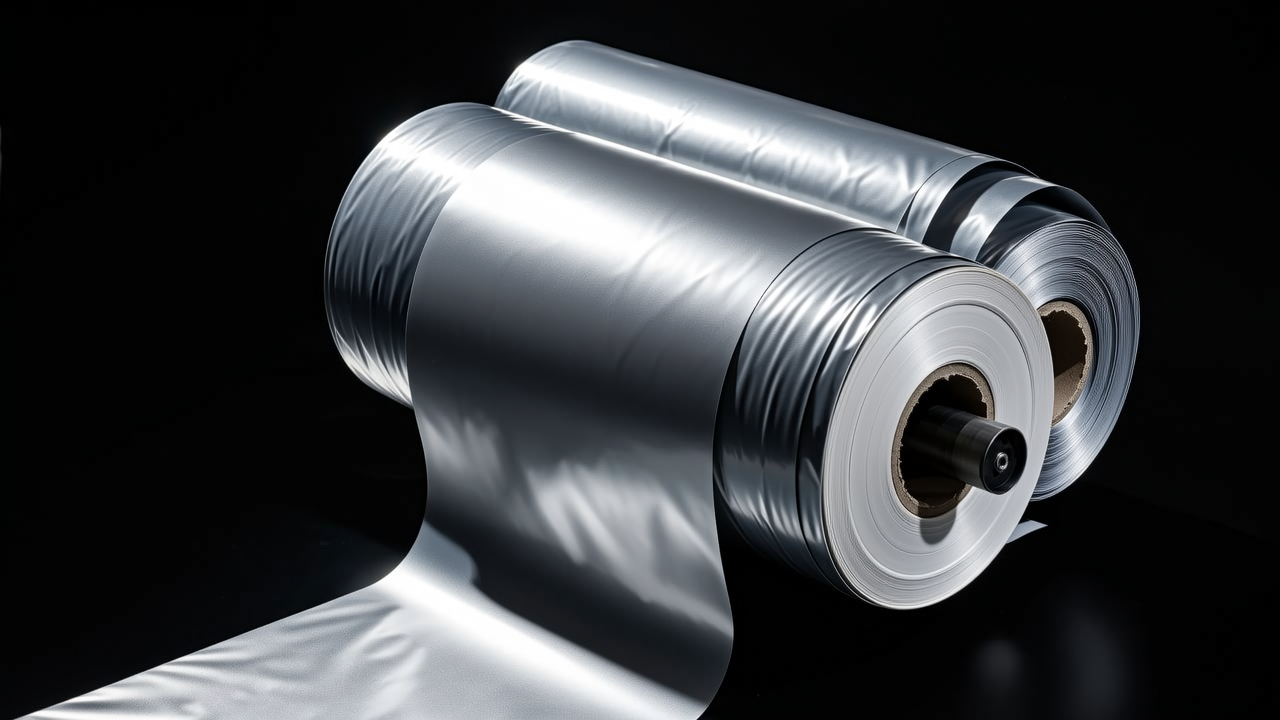
Most flexible food packaging today is a sandwich of different polymers and sometimes aluminum. A typical coffee pouch might be PET (print + stiffness) / AL foil (barrier) / PE (seal). Each layer does its job brilliantly — but together they are a recycler’s nightmare.
The material-incompatibility problem
Mechanical recycling works by melting and re-pelletizing a single polymer. When PET, aluminum, and PE are laminated together, they cannot be cleanly separated by most municipal facilities. The consequences are predictable:
- The different melt temperatures mean the blend clogs or contaminates the recycling line.
- Aluminum flecks weaken the recycled plastic, lowering its commercial value.
- Most facilities simply divert mixed-material flexible packaging to waste.
Industry observers consistently note that the vast majority of multi-material flexible pouches never re-enter the material loop. That is the core problem mono-material design sets out to solve — and the reason regulators are no longer patient about it.
How Mono-PE Pouches Deliver Real Barrier Performance
The common objection is: “If it’s all PE, doesn’t it leak oxygen and ruin the coffee?” The answer is no. Modern mono-PE structures achieve strong barrier through smart layer engineering rather than incompatible materials.
Outer print layer
A PE-based film carries the graphics. Reverse (inside) printing keeps inks away from the product — the same food-safe approach used in conventional laminates — so there is no compromise on brand presentation.
Middle barrier layer
This is where the magic happens. Instead of aluminum foil, mono-PE pouches use high-barrier PE grades or a thin EVOH (ethylene-vinyl alcohol) tie layer. EVOH blocks oxygen extremely well and can be co-extruded with PE so the whole structure remains recyclable. No foil, no incompatibility.
Inner sealant layer
A PE sealing layer provides the heat seal that locks freshness in. Because it is the same polymer family as the other layers, the entire pouch is genuinely mono-material.
Mono-PE vs Traditional Laminate: A Practical Comparison
| Dimension | Traditional PET/AL/PE laminate | Mono-PE pouch |
|—|—|—|
| Oxygen barrier | Excellent (foil) | Very good (EVOH / barrier PE) |
| Light blocking | Excellent (foil) | Good (white or metallized PE options) |
| Recyclability | Very low (mixed materials) | High (single polymer stream) |
| Retail shelf presence | Premium, crisp | Premium, matte options available |
| Relative cost | Baseline | Slightly higher today, narrowing fast |
| Best for | Multi-year shelf life | Sustainable-focused 6–12 month products |
The honest takeaway: for products with extreme barrier needs or years of storage, foil laminates still win on absolute performance. But for the typical 6–12 month coffee or snack shelf life, mono-PE is more than enough — and it is the choice customers can actually recycle.
Why 2026 Is the Tipping Point for Recyclable Pouches
Two forces are converging. First, regulation. The EU’s Packaging and Packaging Waste Regulation (PPWR) pushes all packaging toward recyclability, with escalating requirements through the decade. Brands exporting to Europe can no longer treat recyclability as optional — it is becoming a market-access condition. Our breakdown of the [EU PPWR for exporters](https://www.omopack.com/industry-news/eu-ppwr-regulation-exporters-guide/) covers what this means in practice.
Second, demand. Buyers, especially in specialty coffee and premium snacks, actively prefer brands that make recycling easy. A mono-PE pouch with a clear “recycle with bags” mark turns a compliance cost into a selling point on the shelf.
Where Mono-PE Pouches Shine: Applications
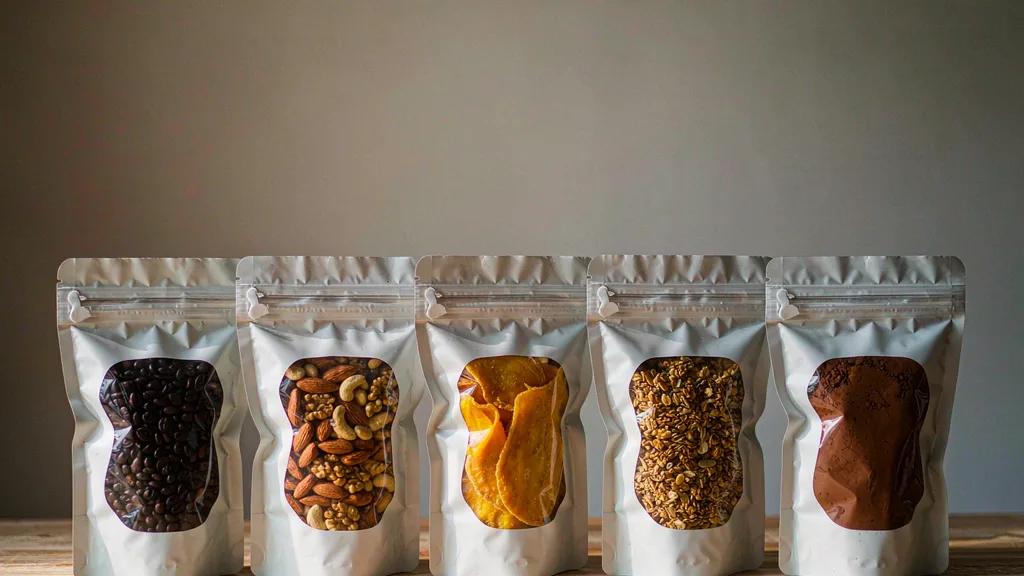
- Coffee & tea: Whole-bean and ground coffee with degassing valves, using barrier PE instead of foil. Our [complete coffee pouch guide](https://www.omopack.com/packaging-knowledge/coffee-bag-complete-guide/) explains the valve basics.
- Snacks & bakery: Nuts, granola, cookies — products where oxygen and moisture barrier matter but ultra-long shelf life does not.
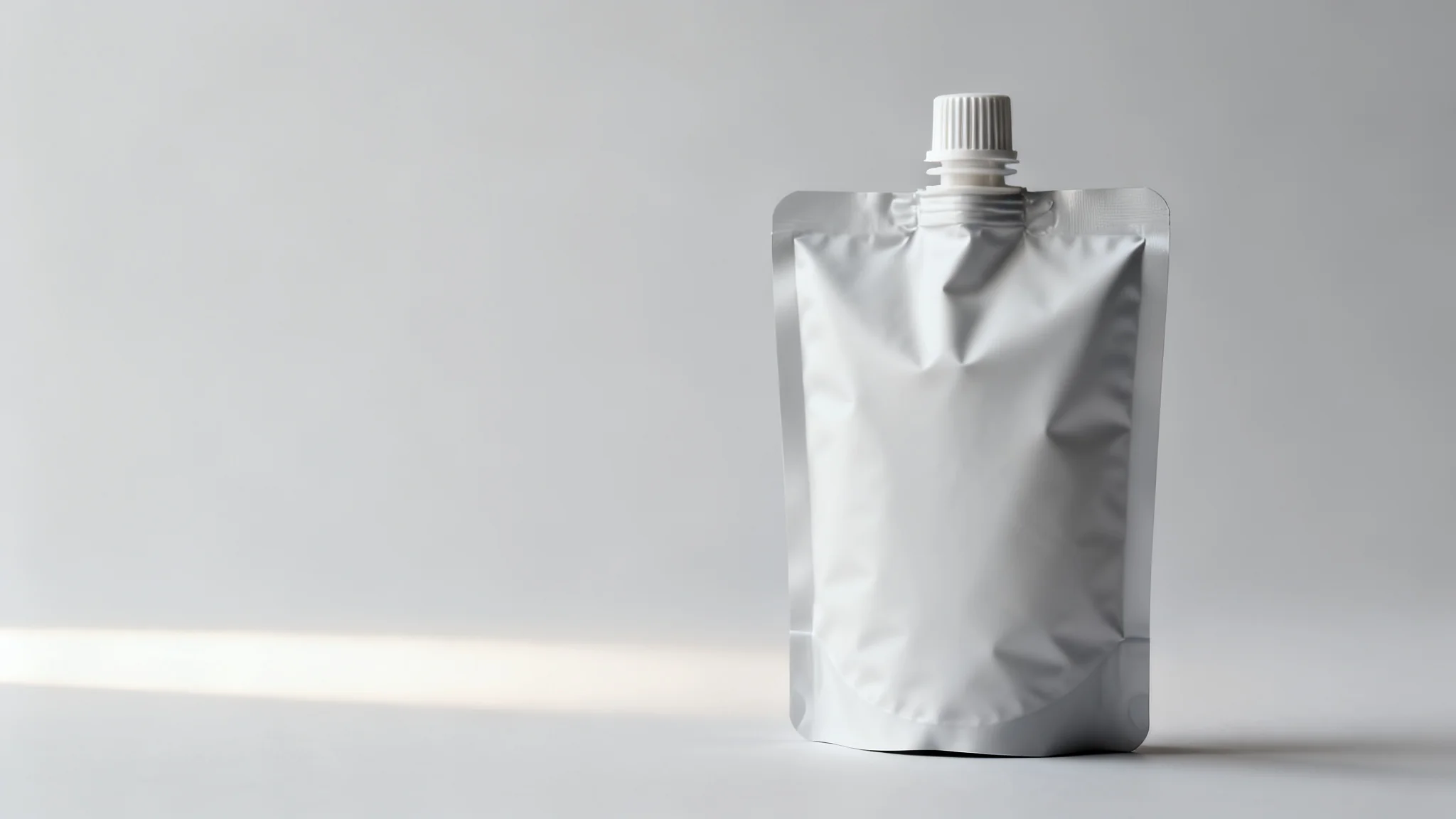
- Powders: Protein, spices, and drink mixes in stand-up mono-PE pouches with zippers.
- Pet food: Premium pet treats, where owners read labels and care about sustainability.
Common Myths About Mono-PE Pouches
Myth 1: “Recyclable means lower quality.” False. With EVOH barrier layers and modern PE films, mono-PE meets the freshness needs of most food and coffee products.
Myth 2: “It’s only for huge brands.” Also false. Mono-PE films are now available in flexible print runs, so a small roastery can order a few thousand pouches with custom artwork and still hit recyclable-material specs.
Myth 3: “Any ‘eco’ pouch is the same.” Not at all. A pouch printed with a leaf icon is not the same as one engineered for a real recycling stream. Ask for certification and barrier test data before believing the claim.
Small-Batch Customization Makes Sustainability Accessible
A persistent myth is that recyclable packaging is only for giants with million-unit orders. That era is over. Low minimum order quantities remove the old excuse of “we’re too small for green packaging.” For emerging brands, mono-PE is the sweet spot: start with a sustainable structure, prove the concept with a small run, and scale as the brand grows.
Mono-PE vs Compostable (PLA) vs Recycled (PCR): How to Choose
Sustainable packaging is not one thing. The right choice depends on your end-of-life infrastructure and brand story:
- Mono-PE (recyclable): Best when local PE bag recycling exists and you want a closed loop. Our [PLA material guide](https://www.omopack.com/industry-news/pla-material-complete-guide/) explains why compostables need industrial facilities many regions still lack.
- PCR content: Using post-consumer recycled PE reduces virgin plastic demand and pairs naturally with mono-PE structures. See [PCR recycled plastic applications](https://www.omopack.com/industry-news/pcr-recycled-plastic-packaging-guide/) for use cases.
- Compostable: Strong for food-soiled packaging that cannot be recycled, but only works where composting access exists.
A pragmatic roadmap: use mono-PE for dry, recyclable products; add PCR content to cut virgin plastic; reserve compostable for the niche where it truly fits.
How to Evaluate a Mono-PE Pouch Supplier
When you talk to a factory, ask the questions that separate real mono-material from greenwashing:
- Can you provide recyclability certification for the exact structure, not a generic claim?
- What is the actual oxygen transmission rate (OTR) of the mono-PE film — ask for test data, not adjectives.
- Is the barrier layer co-extruded EVOH or a removable foil? True mono-PE uses co-extruded barrier.
- What print and finish options are available (matte, soft-touch, windows)?
- What is the minimum order quantity for custom artwork?
A capable supplier will hand you numbers, not slogans. For food-safety specifics on materials, our [food packaging material safety guide](https://www.omopack.com/packaging-knowledge/food-packaging-bag-material-safety-guide/) is a useful reference.
Conclusion
Mono-material PE pouches resolve the tension every food and coffee brand faces in 2026: protect the product, please the planet, and satisfy regulators — without choosing just one. They are not a compromise on quality; with EVOH barrier layers and modern PE films, they deliver the freshness protection most products need while staying inside the recycling loop.
If you are launching or refreshing a coffee or food brand, treat recyclability as a design input from day one, not an afterthought. [Contact OMOPACK](https://www.omopack.com/contact/) to discuss mono-PE pouch structures, degassing valves, and low-MOQ custom runs tailored to your product.