Baby food packaging is never just a stricter version of ordinary food packaging. Because infants have immature metabolic systems and a much lower tolerance for chemical substances, regulators around the world impose far tougher requirements on packaging that touches their food. This complete guide to baby food packaging covers material selection, regulatory compliance, structural design and supplier checks, so brands can make informed decisions at every step.
Why Baby Food Packaging Standards Are Stricter
Infants eat a narrow range of foods in large quantities relative to their body weight, which means any substance migrating from packaging accumulates faster in their bodies. That is why the EU, the United States and China all maintain special provisions for infant food contact materials. The EU applies tighter specific migration limits for foods intended for infants, the FDA imposes additional requirements on infant formula packaging, and China’s GB 4806 series sets elevated expectations for materials used with young children. A generic “food grade” claim is not enough — brands must demonstrate compliance with the specific regulation that applies to their product.
Choosing Materials for Baby Food Packaging
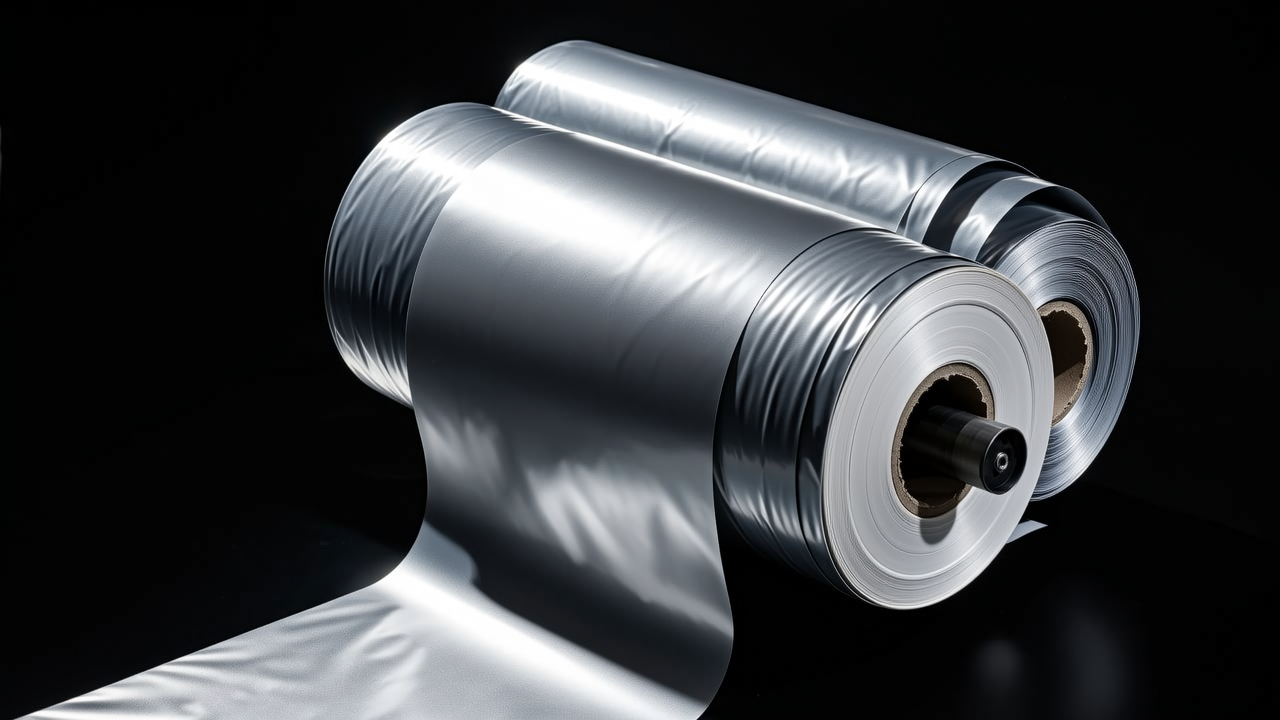
Common choices include PE and PP for dry products such as rice cereal and biscuits, aluminium foil laminates for high-barrier products like fruit purees and meat purees, and PET where transparency matters. Barrier performance is only half the story: inks, adhesives and additives must also meet infant-specific migration limits. For a deeper comparison of substrate options, see our earlier analysis of baby food packaging material safety standards. Keep in mind that the sealant layer is the layer in direct contact with food, so its additive package deserves the closest scrutiny.
Structural and Functional Design Considerations
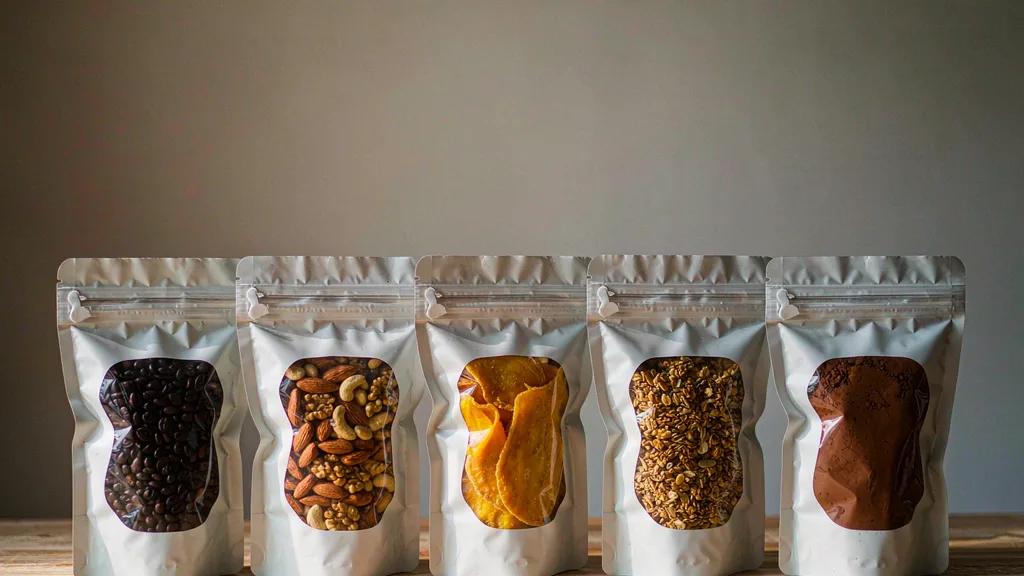
Structure must balance safety with convenience. Stand-up pouches with spouts make purees easy to serve, tear notches must open cleanly without leaving sharp edges, and seals must be reliable enough to prevent leaks and secondary contamination. For puree products, high-barrier, light-blocking structures are standard; for powders, moisture control and anti-caking properties take priority. Every design element — spout material, zipper, tear notch — becomes a food contact surface and must be evaluated accordingly.
Regulations and Testing for Baby Food Packaging
Compliance testing typically covers overall migration, specific migration of listed substances, heavy metals and sensory tests. Test conditions must simulate real infant food scenarios such as hot filling, long-term storage and microwave reheating. Exporters must check destination-market rules: Regulation 10/2011 in the EU, FDA 21 CFR in the United States, and country-specific rules across Southeast Asia and the Middle East. A complete test dossier and raw material traceability system are the foundation for passing audits and spot checks.
What to Check When Buying Baby Food Packaging
Three checks matter most. First, verify that the supplier holds test reports specific to infant food contact materials, not just a general food-grade certificate. Second, confirm that production lines are segregated to prevent cross-contamination with non-food or industrial products. Third, check whether the factory is certified under schemes such as BRCGS or ISO 22000. For a broader introduction to food packaging fundamentals, start with our guide to food packaging bag material safety.
Building a Compliant Supply Chain
The safest approach is to involve the packaging supplier early in product development. Share your target market, filling temperature, shelf life and storage conditions, and ask the supplier to propose a structure with full migration data. Request a declaration of conformity that lists every layer, every adhesive and every additive. Insist on batch-level traceability so that any raw material change triggers a fresh compliance review.
Developing compliant baby food packaging for your brand? Contact us to discuss materials, testing and structural design with our packaging engineers. Explore our full range of food packaging solutions at OMOpack.com.