The EU PPWR regulation, formally the Packaging and Packaging Waste Regulation, is the most far-reaching packaging legislation Europe has seen in decades. It will gradually replace the Packaging and Packaging Waste Directive 94/62/EC that has governed European packaging for thirty years. For brands exporting food and consumer goods to Europe, and for packaging manufacturers serving export orders, understanding the EU PPWR regulation is no longer optional — it is the new rulebook for accessing the European market.
What Is the EU PPWR Regulation?
The European Commission proposed the EU PPWR in November 2022, and the regulation completed its legislative journey in 2024, with phased implementation starting in 2025. Unlike the old directive, the PPWR is a regulation that applies directly in all member states, leaving no room for national interpretation. Its headline goals are ambitious: by 2030, all packaging placed on the EU market must be reusable or recyclable, and total packaging waste must be significantly reduced. The regulation covers the entire packaging life cycle, from design and material selection to collection and recycling.
Key Requirements of the EU PPWR Regulation
Five obligations matter most to exporters. First, recyclability by design: every packaging unit must meet defined recyclability criteria, and packaging that fails the criteria will be restricted from the market. Second, recycled content: plastic packaging must contain at least 10 percent recycled material by 2030, rising to around 50 percent by 2040. Third, waste reduction: over-packaging is banned, and some single-use plastic formats are phased out. Fourth, labelling: packaging must carry material identification and recycling instructions that consumers can understand. Fifth, extended producer responsibility: importers and manufacturers must register, report and pay fees in each member state where they place products.
What the EU PPWR Means for Chinese Exporters
China is a major supplier of packaging and packaged goods to Europe, so the EU PPWR regulation has direct consequences for thousands of exporters. Compliance costs will rise: recyclability assessments, recycled material sourcing, label updates and EPR registrations all add to the bill. Market access will tighten: packaging that cannot demonstrate recyclability may be refused entry. Exporters who treat PPWR as a distant policy risk losing shelf space to competitors who adapted early. A practical starting point is our guide to EU EPR packaging compliance, which explains the registration and reporting mechanics that underpin the new rules.
How to Prepare Your Packaging for PPWR
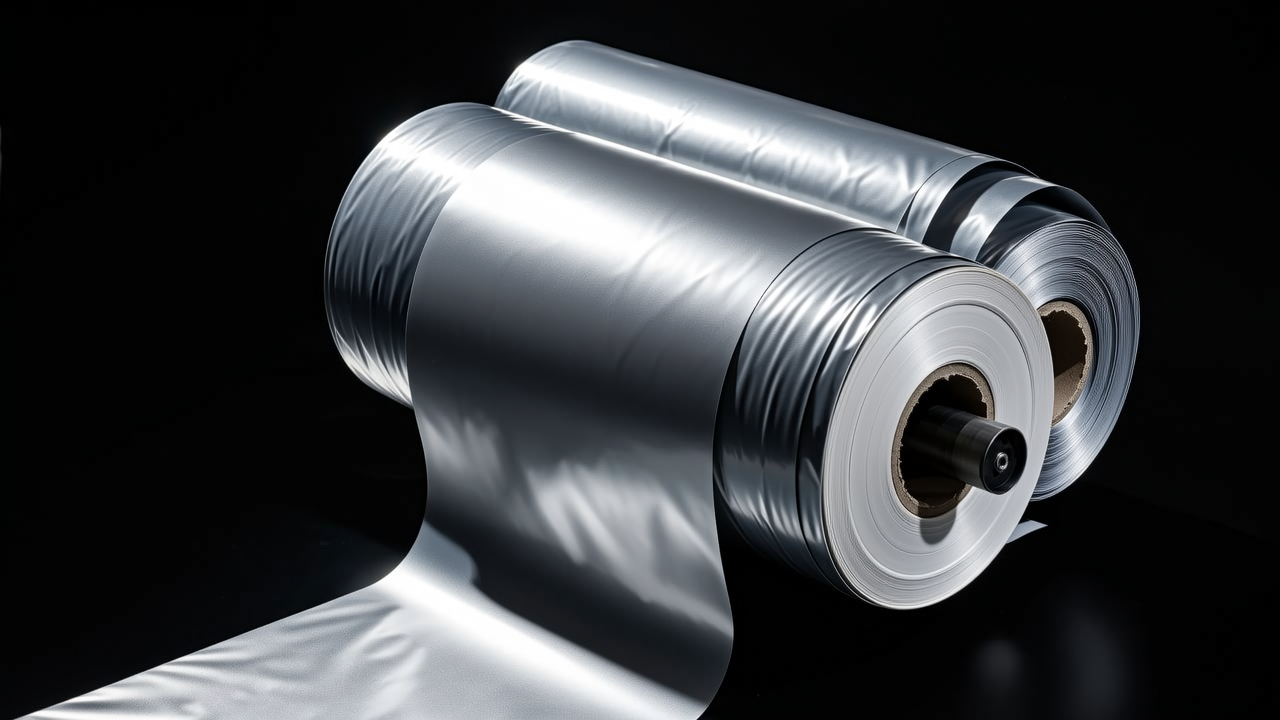
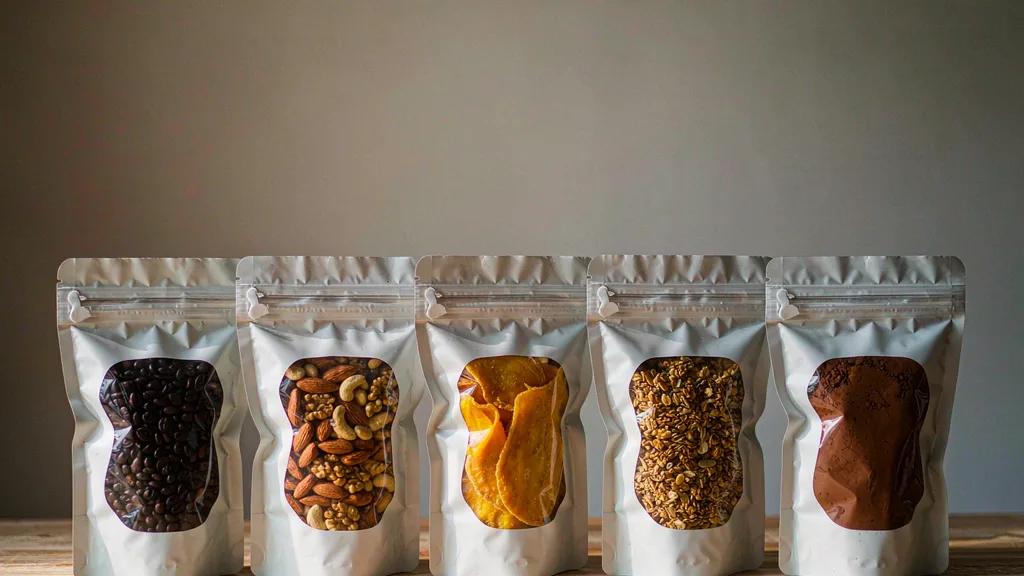
A four-step roadmap works well. Step one: audit your current export packaging structures and score their recyclability against the PPWR criteria. Step two: map the timeline against your product lines and decide which SKUs need redesign first. Step three: work with suppliers on mono-material alternatives, since single-material films are far easier to recycle than multi-layer laminates. Step four: update labels, register for EPR where required, and keep a compliance file for every packaging component. For the food-contact side of European compliance, review our overview of EU export packaging requirements covering CE marking and food contact rules.
PPWR and Food Contact Rules: Two Parallel Tracks
It is important to understand that the EU PPWR regulation and food contact legislation run side by side. Food contact rules, such as Regulation 10/2011, govern chemical safety and migration limits, while PPWR governs environmental performance. An exporter must satisfy both tracks simultaneously: a pouch can be perfectly recyclable yet non-compliant on migration, or vice versa. Building a compliance matrix that lists both sets of requirements for each material structure is the most reliable way to avoid gaps.
Timeline and Next Steps
Implementation is phased. Recyclability criteria are being defined through delegated acts, labelling obligations start in 2026-2027, recycled content mandates take effect from 2030, and the 2040 targets raise the bar further. The message for exporters is simple: start now. Ask your packaging supplier for recyclability assessments, request mono-material options, and begin documenting your compliance status today.
Need help assessing your packaging against the EU PPWR regulation? Contact us for a compliance review of your export packaging. Explore our full range of flexible packaging solutions at OMOpack.com.