Damage in transit is one of exporters’ biggest headaches: sea-shipping bumps, transfer handling, courier sorting — any step can damage carefully packaged products, causing returns at best and claims disputes at worst. How to prevent export packaging damage? The answer is not simply thicker cartons but a systematic inside-out protection strategy. Drawing on years of export packaging experience, this article breaks down 6 practical protection layers.
Layer 1: Choose the right shipping outer box
The outer box is the first line of transport protection. For export shipping, use five-layer corrugated boxes, choosing flute type by cargo weight: heavy goods need reinforced double-wall; light goods can use single-wall, but compression strength must suffice. Container stacking can exceed 2 meters — the box’s edge crush strength (ECT) must withstand the pressure of goods above, or bottom boxes collapse.
Also treat export outer boxes for moisture: sea environments are humid and wet cartons lose strength sharply — apply moisture-proof coating on surfaces or add a PE film liner inside. When loading, keep “heavy on bottom, light on top” so heavy goods don’t crush lighter ones.
Layer 2: Internal cushioning and fixation
Choose cushioning by product characteristics. Fragile items: bubble wrap, EPE foam or EPS foam, fully wrapping the product with 3-5 cm of buffer distance from the box walls; powders and granules: seal in inner bags before boxing to prevent leakage; liquids: double-sealed packaging with shock absorption.
Fill voids completely so goods don’t shift and collide in transit. Many damages aren’t from drops but from oversized voids letting goods knock around. The right approach: products “frozen in place” inside the box, with cushioning absorbing external impact.
Layer 3: Palletization and reinforcement
Sea freight and large airfreight shipments should use palletization: stack boxes neatly on pallets, wrap with stretch film and secure with strapping. Palletization has three benefits: forklift-friendly loading that reduces handling knocks; more stable overall transport that resists collapse; and higher handling efficiency with less transfer dwell time.
Keep the center of gravity stable when stacking; tall loads should use interlocked stacking for integrity with corner protectors on top. Small parcels going by courier need separate consideration for sorting impacts — use thicker boxes with internal cushioning, because courier sorting roughness often exceeds imagination.
Layer 4: Markings and warnings
Clear transport markings effectively reduce human-caused damage. Outer boxes should carry international transport marks like “Fragile”, “This Side Up” and “Keep Dry” (bilingual recommended) so handlers see at a glance that the cargo needs care. Pallets or boxes should also show consignee info, box numbers and cargo names for logistics verification and fewer mis-shipments.
For cross-border e-commerce parcels, watch label standards: labels must be flat and firmly attached to avoid scanning failures from wrinkles; apply labels on two adjacent sides so one worn face doesn’t prevent identification. Amazon and other platforms have specific packaging rules — see ourAmazon packaging requirements explained。
Layer 5: Insurance and anomaly contingency
Even with perfect protection, long-haul transport has uncontrollable factors — export cargo should carry transport insurance, insured at cargo value, for compensation on damage. Confirm the claims process and evidence requirements with the freight forwarder (unboxing videos, damage photos, third-party inspection reports) so insufficient evidence doesn’t block claims.
Also plan after-sales contingencies at the packaging design stage: reserve spare parts ratios for vulnerable products, or design quick-reship packaging plans, minimizing the business impact of damage.
Layer 6: Optimize product packaging at the source
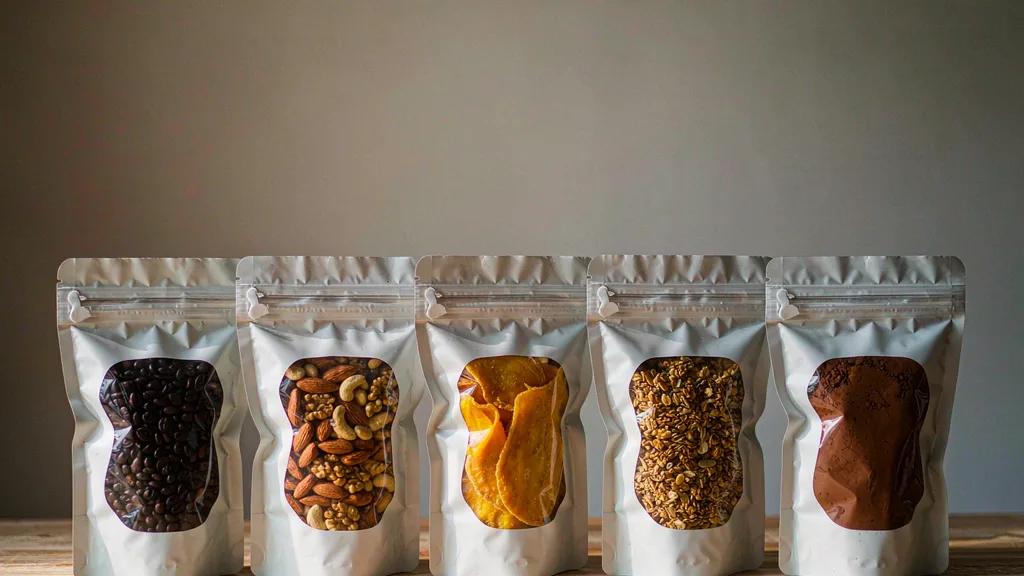
Transport protection cannot rely only on “outside reinforcement” — the product packaging design itself matters. Cosmetics and food products, for example, can choose sturdier stand-up or spouted pouches, forming double protection with the outer box; inner packaging and outer box sizes must match — avoid “big box, small goods” wasting buffer space and “small box, big goods” squeezing deformation.
Export packaging design must balance logistics, cost and compliance — ourCross-Border E-Commerce Packaging Design Guide covers this systematically; export companies should read it together.
OMOPACK Customizes Transport Protection Solutions for Exporters
OMOPACK has focused on export and cross-border packaging for years, familiar with sea, air and courier protection requirements — providing complete protection from inner packaging to transport outer boxes per your product characteristics and target market, minimizing damage rates.
Welcome to visitOMOPACK contact pageFor custom solutions, English customers can visit our international siteomopack.com。