When buying coffee beans, you may notice many specialty coffee pouches are puffed up like balloons — that is nitrogen-flush packaging. Nitrogen flush means injecting high-purity nitrogen into the pouch before sealing, displacing the oxygen, then sealing. For oxygen-sensitive products like coffee, nitrogen flush is the core means of extending freshness and preserving flavor. This article explains the principle of nitrogen-flush packaging and why coffee cannot do without it.
The principle of nitrogen-flush packaging: using nitrogen to drive out oxygen
The principle is not complex: on the automatic packaging line, after filling and before sealing, the machine blows high-purity nitrogen (typically 99.9%+ purity) into the pouch, displacing the existing air, then completes heat sealing. Nitrogen is an inert gas — chemically stable, no reaction with food — so residual oxygen inside the pouch drops below 2%, or even lower.
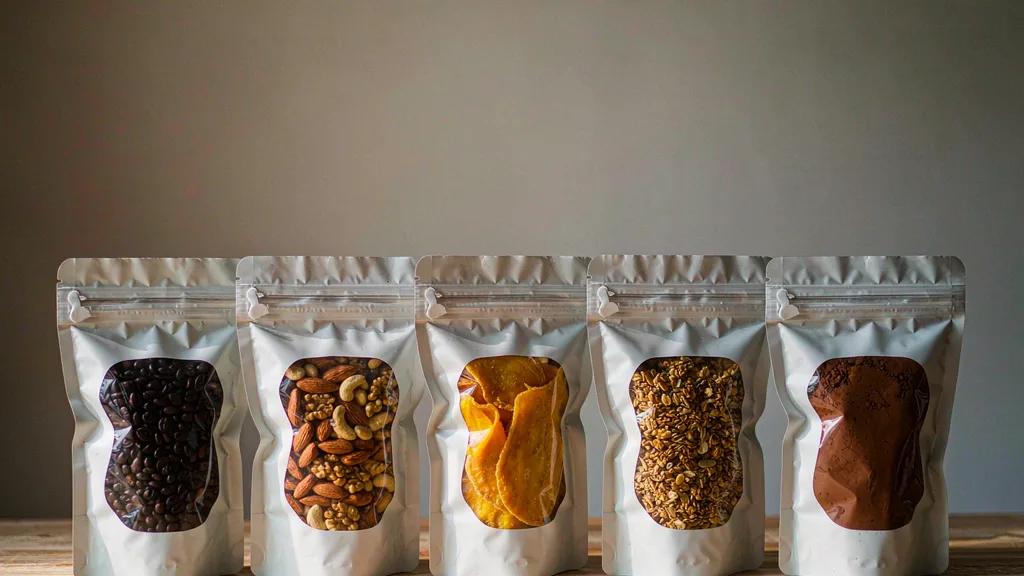
Unlike vacuum packaging, nitrogen-flush pouches hold ambient or slightly positive pressure — the pouch puffs slightly. This suits fragile or crush-sensitive products like coffee beans, chips and nuts — no crushing like vacuum packaging, while achieving the same oxygen-barrier freshness. The internal pressure also makes the pouch firmer, displaying better on shelves.
Why coffee especially needs nitrogen-flush freshness preservation
Coffee is the most typical nitrogen-flush application, because oxygen is the bean’s “enemy”. Roasted beans have many internal micropores with huge surface area — on contact with oxygen, oxidation begins: oils oxidize into stale, rancid off-flavors; aromatic compounds volatilize and degrade, and aroma starts leaking right after roasting.
Studies show roasted beans lose flavor noticeably within weeks in ordinary packaging, but keep flavor for months under nitrogen flush. This is why specialty coffee brands almost all use nitrogen-flush packaging with one-way degassing valves: roasted beans keep releasing CO2, and a fully airtight pouch would burst — the one-way valve vents CO2 while blocking oxygen, working with the nitrogen flush for long-term freshness. For overall coffee pouch selection, read ourComplete Guide to Coffee Pouches。
Structural requirements for nitrogen-flush pouches
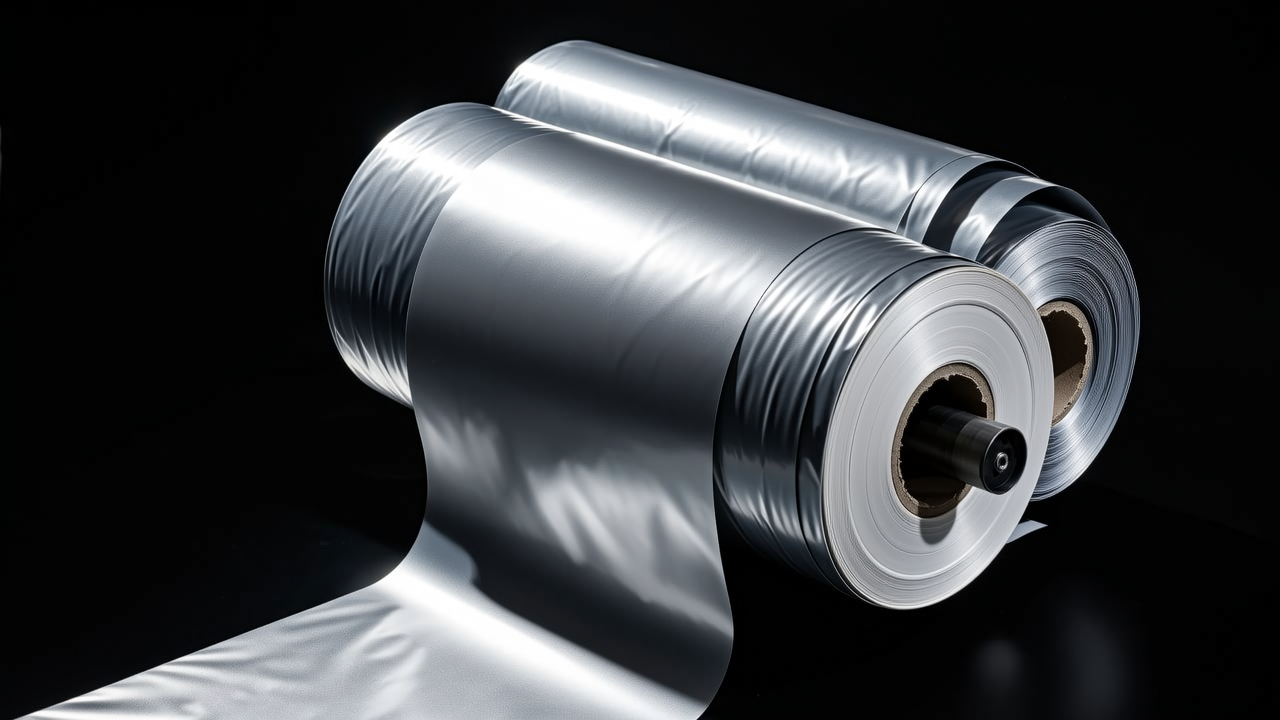
Nitrogen-flush packaging demands high barrier from the pouch material — if the pouch itself cannot block oxygen, the nitrogen is wasted. Common structures are high-barrier laminates like PET/AL/PE or PET/metallized/PE, where the foil or metallized layer provides oxygen and light barrier. The pouch usually also carries a one-way degassing valve (the “coffee valve”) plus easy-tear openings, stand-up bottoms and zippers for convenience and resealing.
For small-format products like drip bag coffee and ground coffee, nitrogen flush applies equally but with smaller pouches and higher sealing precision. Freeze-dried or instant coffee needs extra moisture protection — usually a desiccant combined with nitrogen flush. To compare nitrogen flush vs. vacuum freshness routes, refer to ourVacuum Pouch Barrier Layer Selection Guide。
Applications and cautions for nitrogen-flush packaging
Besides coffee, nitrogen flush is widely used for nuts, puffed snacks, tea, milk powder and pet food — oxygen-sensitive foods. But not every product suits it: high-moisture produce that needs to breathe does not; cost-sensitive mass products should weigh the added gas-source equipment and nitrogen consumption costs.
Key points when choosing nitrogen-flush packaging: first, confirm the line’s flushing capability — ordinary pre-made pouch machines can add nitrogen units, but displacement efficiency must be validated; second, check residual oxygen — reputable factories sample with residual oxygen analyzers to keep in-pouch oxygen within target range; third, match valve throughput to the product’s gas output to avoid over-puffing or insufficient pressure relief.
OMOPACK Builds Nitrogen-Flush Freshness Packaging for You
OMOPACK is deep in custom flexible packaging, familiar with nitrogen-flush processes for coffee, nuts and other categories — providing professional advice from film structures, valve selection to residual oxygen control. From specialty coffee bean pouches and drip bag outer pouches to large commercial packs, we customize the most suitable freshness solution per your product characteristics.
Welcome to visitOMOPACK contact pageFor samples and quotes, our English websiteomopack.com also offers packaging solutions for overseas markets.