A sealant pouch fails in one of two ways: the product cures inside the pack before anyone uses it, or the contents attack the film and the seal lets go. Both outcomes trace back to a single decision — matching the film structure to a moisture-cure chemistry. This guide sets out where flexible pouches stand against rigid cartridges, what the barrier has to control, and what to confirm before moving a silicone sealant or adhesive from tubes to pouches.
Why Moisture-Cure Products Punish Weak Films?
Most one-part silicones and a growing share of hybrid construction adhesives cure by drawing moisture from the air. The same chemistry that lets them skin over on a joint keeps working inside the pack: any water vapor that passes through the film reaches the product. A pouch made from plain polyethylene passes far more vapor than a foil laminate, and the difference shows up as thickened product, a hardened skin, or a pack that has gelled solid by the time it reaches the job site.
The direction of the problem reverses once the pack is opened. In use, the pouch must let the operator dispense cleanly while keeping ambient humidity out of the remaining product between jobs. A structure that solves storage may still need a separate closure decision for reuse — the film body and the fitment are two different battles.
What a Sealant Pouch Must Control
Three things, listed in the order they usually end a product’s usable life:
- Moisture ingress through the film and, just as often, through the seal area and the spout or fitment.
- Product-to-film compatibility: plasticizers, solvents and cure by-products can extract or swell a sealing layer, which is why the inner layer must be screened against the actual product, not a surrogate liquid.
- Seal integrity under handling: a construction-site pouch gets dropped, stepped on and packed tight into toolboxes.
If any one of the three fails, the other two stop mattering. That is why a film quotation for this category should never be judged on barrier data alone.
Film Structures: From PE/PA Blends to Foil Laminates
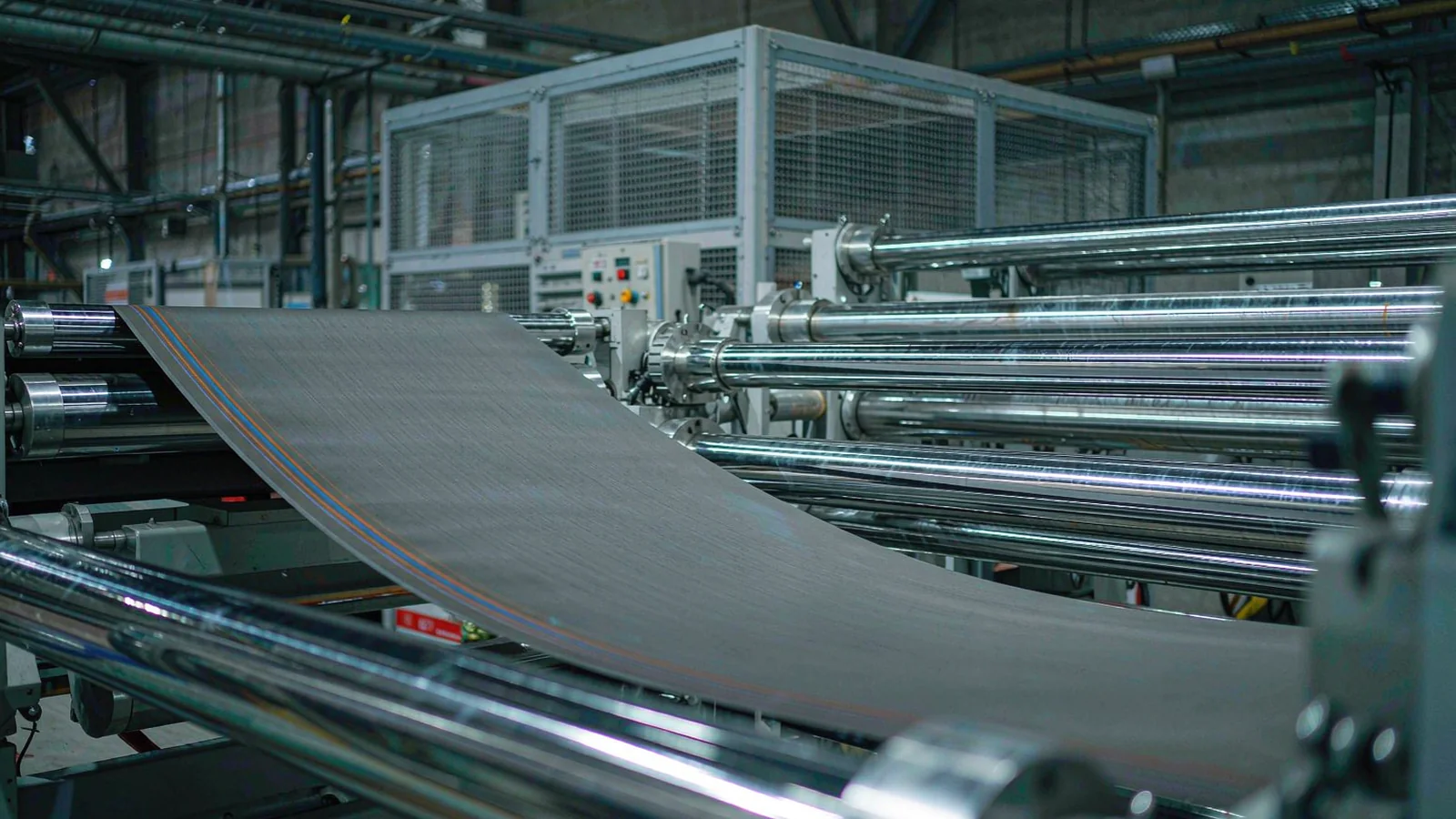
Barrier performance is quoted as a water vapor transmission rate, and the test method most film suppliers reference is ASTM F1249. On one end of the range sit polyethylene/polyamide blends: they raise the barrier meaningfully above plain PE and keep the structure inside mono-material recycling conversations. On the other end sit foil laminates such as PET/AL/PE, which cut vapor transmission to a small fraction of what all-plastic structures achieve, at the cost of a laminate that cannot claim recyclability and a higher price per square meter. EVOH-based structures sit between the two: strong against gases, good against vapor, but sensitive to humidity during lamination.
Ask for transmission data at the temperature and humidity your product will actually see in storage and transit. Transmission rises with humidity for most structures, so a single laboratory figure measured under one condition says little about a warehouse in a coastal summer.
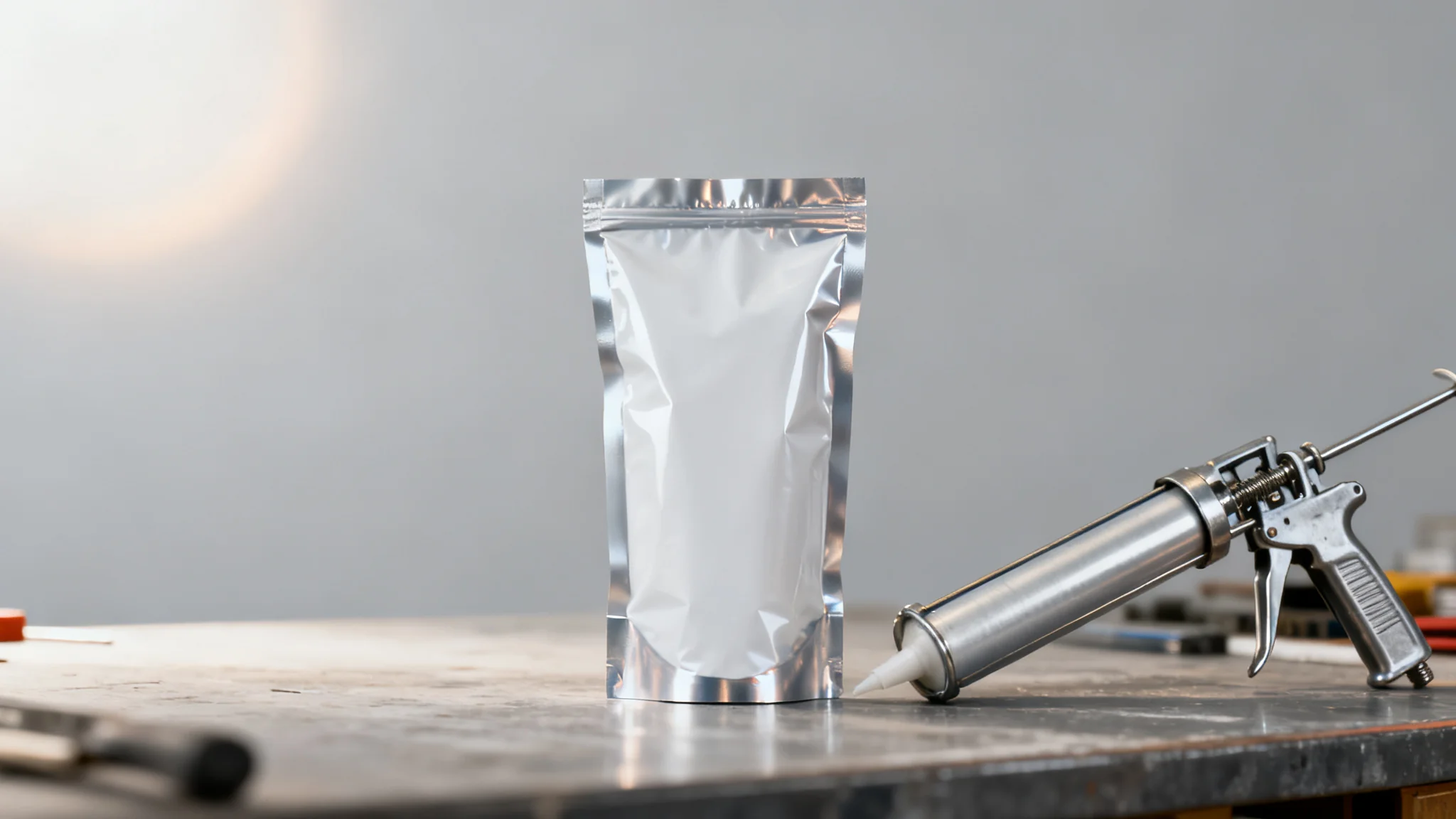
Concept packaging visual generated for editorial use. Not a customer project, not a tested structure.
Where Pouches Replace Cartridges — and Where They Do Not
Foil pouches replace rigid cartridges most convincingly where the product is consumed in volume: bulk sausage packs loaded into barrel guns, refill supply for cartridge lines, and industrial assembly points that go through sealant by the liter. The pouch wins on freight volume and empty-pack waste, and it loses almost nothing on barrier when the laminate is right. The pack formats behind this shift sit inside our packaging solutions for industrial and liquid categories.
The replacement logic weakens at the single-tube end. A standard construction cartridge is simultaneously the package and the applicator — the nozzle, the plunger and the gun are a matched system. If a product’s value depends on that dispensing precision, or on pushing out every last gram with a plunger, converting to a pouch means redesigning the application method, and that cost belongs in the comparison.
What Changes at the Point of Application?
A cartridge feeds a caulking gun through a nozzle; a sealant pouch needs its own path. The common answers are a spout fitment with a screw cap for repeated use, a tear-off fitment for single-session work, or a sausage format loaded into a barrel gun. Each choice changes the film specification around the fitment weld, and the fitment is usually where moisture sneaks in when the weld or the cap gasket is wrong.
Plan for the emptiness problem too. Cartridges discharge almost completely because a plunger pushes the product out; pouches rely on the operator squeezing, so viscous products can leave real residue behind. Film stiffness, pouch geometry and the fitment orifice all influence how completely the pack empties — verify this in a real application trial, not on paper. Viscous dispensing has been worked through on adjacent categories — our baby cream spout pouches show how a refill fitment handles thick contents.
How Long Can a Filled Pouch Sit Before It Ships?
There is no universal clock. The honest answer depends on the cure chemistry, the filled volume relative to the air left in the pack, and the film’s barrier — which is why the controllable variables matter more than the calendar: the window between filling and final seal, the headspace air, and the storage conditions after sealing. For products classified as dangerous goods in transport, packaging and labeling must also follow rules such as US 49 CFR Part 173, so confirm the transport classification before locking a pack format.
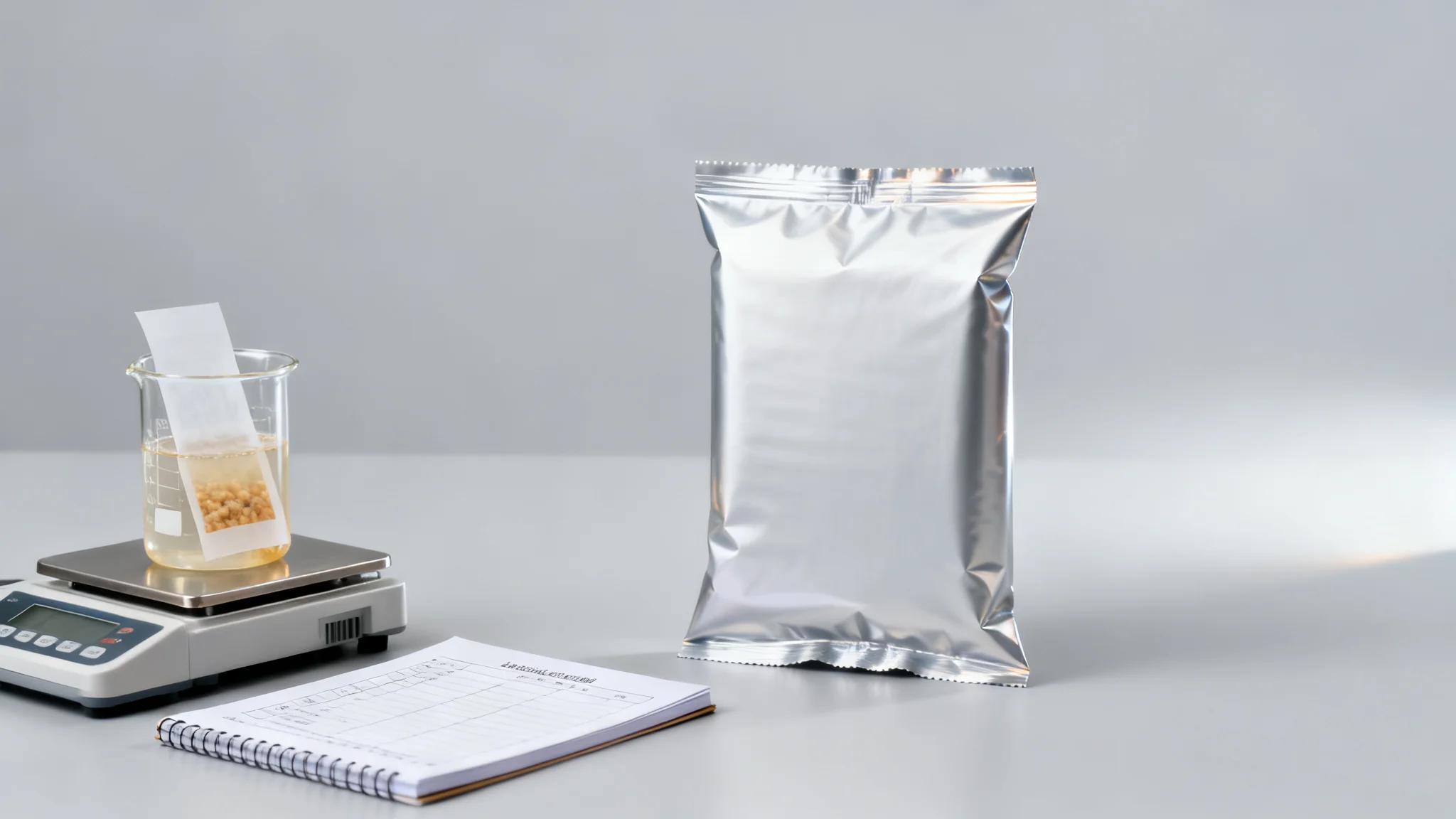
The practical method is an aging trial: fill the real product into the candidate laminate, store it under conditions matching your worst distribution lane, and test viscosity, skin formation and cure behavior at set intervals. Suppliers can accelerate this with elevated temperature and humidity, but the acceptance criteria should come from your own product specification rather than a supplier’s generic datasheet.
Scope: Which Products This Approach Applies To
This applies to one-part moisture-cure silicones, MS polymer hybrids and similar moisture-sensitive one-part adhesives — the category where barrier choice decides shelf life. Two-part systems that cure by mixing face a different enemy: mixing error and pot life, not vapor transmission, so their packs lean on component separation and controlled dispensing. Solvent-heavy products add seal-compatibility and regulatory questions on top of the barrier discussion. If the product reacts with water in either direction — curing with it, or being water-based itself — start the film conversation from the chemistry, not from a catalog page.
How to Compare Film Quotations on Equal Terms?
Quotes for this category differ so much in structure that a price-per-kilogram comparison is close to meaningless. Compare on four lines instead: transmission data at matched conditions, seal strength on the sealant-facing layer, fitment compatibility, and evidence of chemical compatibility with your product. Ask each supplier to name the laminate layers, state the transmission rate with its test condition, and define the seal window on their own equipment. A quotation that cannot answer those four lines is a price, not a specification.
A Sampling Checklist Before You Switch
- Confirm the cure chemistry and the transport classification, if any, of the product.
- Get transmission data at your storage conditions, not one generic figure.
- Sample the exact laminate proposed for production, with the fitment already welded.
- Run an application trial: dispense, re-close, store, dispense again.
- Age filled samples under worst-case distribution conditions and test against your own shelf-life criteria.
Key Takeaways
- Moisture-cure chemistry makes the film barrier — not the pouch shape — the deciding factor.
- Foil laminates win on barrier; PE/PA blends win on recycling conversations; neither wins by default.
- The fitment and the seal area deserve as much attention as the film body.
- Validate with aged, filled samples against your own criteria, not supplier datasheets alone.
Conclusion
A sealant pouch is a workable replacement for rigid cartridges when the barrier matches the cure chemistry and the dispensing path fits the job. Push for matched-condition transmission data, sample the real laminate with the fitment attached, and age filled samples before committing. For two-part or solvent-heavy products, move the conversation to separation, pot life and seal compatibility before comparing film prices.
Frequently Asked Questions
Do foil pouches keep moisture-cure sealants as stable as cartridges?
Yes for the barrier itself, with a condition attached. A foil laminate blocks vapor far better than any all-plastic structure, but real shelf life also depends on the fitment weld, the closure gasket and the air left in the pack at filling. Cartridges hold one advantage a flexible pack cannot copy: the rigid wall contributes nothing chemically, so the entire barrier burden sits on the film and its seals, and every weld line becomes a potential entry point for vapor. That is not an argument against the format — it is the reason aged, filled validation samples matter more here than in almost any other pouch category. Validate against your own shelf-life criteria instead of trusting the reputation of either format.
Can a sealant pouch be re-closed between jobs on a site?
Only with a fitment designed for it. A screw-cap spout with a proper gasket can hold between sessions; a tear-off fitment cannot, and squeezing the air out before closing does part of the work. Each re-opening still exposes the remaining product to ambient humidity, so the practical use window after first opening will be shorter than the unopened shelf life. Test the exact closure on the exact sealant pouch before promising re-use on the label.
How do we verify a film’s moisture barrier before committing?
Start with transmission data quoted under ASTM F1249 at the temperature and humidity your product will actually face, then confirm the picture with filled aging samples. Laboratory data on flat film is a starting point, not proof: folds, back seals and fitment welds change the effective barrier. The acceptance numbers should come from your product’s own shelf-life testing, because a transmission rate that is harmless for one cure chemistry can gel another.
Are pouches suitable for two-part adhesives?
Sometimes, but the design problem changes. Two-part systems fail through mixing error and pot life rather than vapor transmission, so the pack either keeps components separate — dual chambers or side-by-side compartments — or accepts short use windows after mixing. If the real goal is replacing cartridges on a production line, specify the mixing ratio tolerance first and let the pack format follow from it.