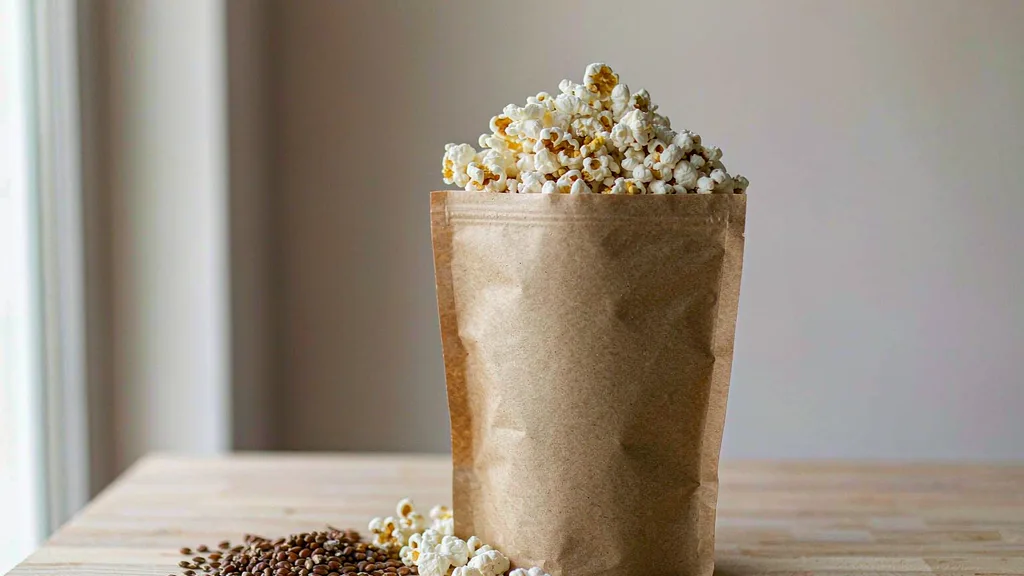
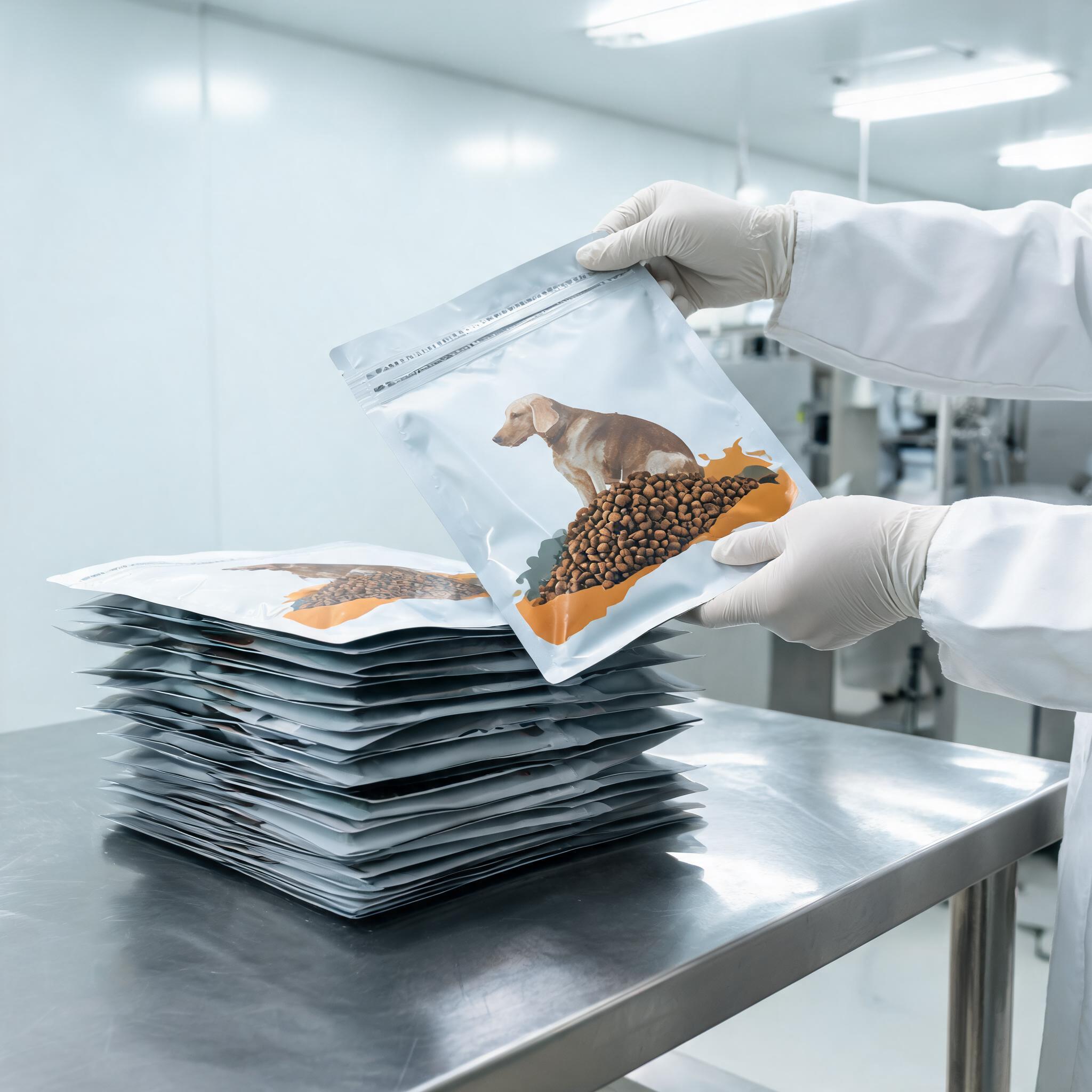
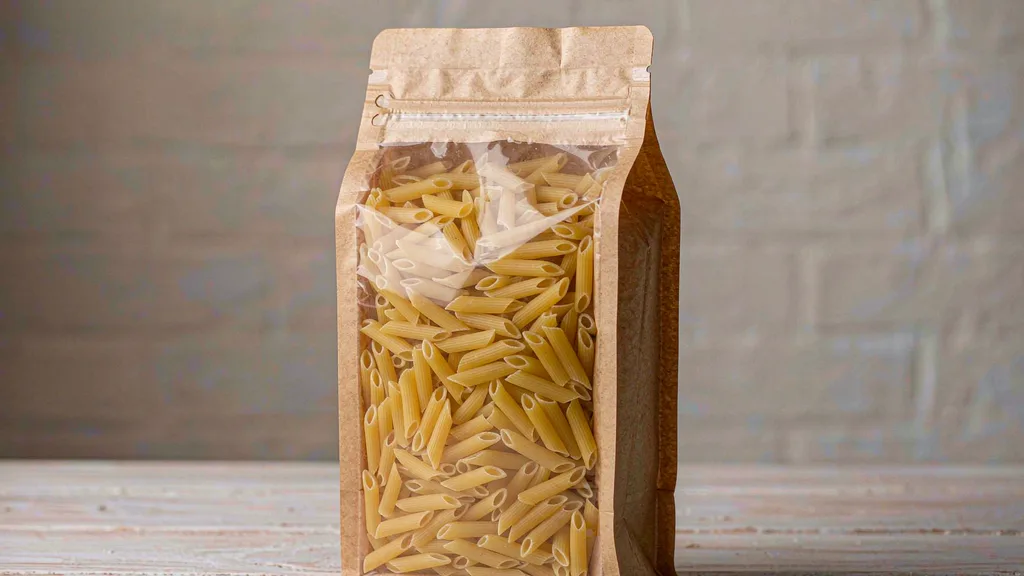
A limited-edition pouch run pays off when the printed quantity matches a real demand window: keep the pouch structure, size and material identical to your core range, change only the printed artwork, order digitally printed runs of 500 to 2,000 units, and reorder weekly instead of committing to one large print run.
What Is a Limited-Edition Pouch Run?
A limited-edition pouch run is a packaging batch produced in a quantity deliberately smaller than your standard production volume, tied to a specific event, season or collaboration, and marked visually so buyers understand it will not return. A defensible rule of thumb: if a pouch design is meant to live on shelf for less than 12 weeks, it is a limited-edition run and should be planned, costed and printed differently from your evergreen packaging.
The key distinction is structural. Limited means limited *quantity*, not a different bag. The film structure, pouch dimensions, zipper and valves should stay exactly the same as your core range. Only the printed layer changes. This single decision prevents most of the cost and compliance problems described below.
Why Do Seasonal Pouches Sell in the First Place?
Seasonal and collaboration packaging works on two mechanisms. First, scarcity: a visible end date moves undecided buyers from “later” to “now”. Second, media value: gift guides, unboxing posts and retail endcaps all favor packaging that looks new. Holiday and single-event windows are short, which is exactly why overordering is so damaging. Dead stock is not just sunk cost. It ties up cash, occupies warehouse space for a design that can never be sold again, and often ends in disposal, which is both a financial and a sustainability loss.
There is also a compliance trap hiding in limited editions. Every printed variant must still carry the full mandatory label set: the nutrition facts panel, the ingredient declaration, the net weight statement and the barcode must be accurate for the actual product inside. A festive sleeve design that omits or obscures required elements is not a marketing risk, it is a regulatory one, so the artwork checklist for edition 1 and edition 5 must be identical. For a structured pre-press review, see this print-ready packaging artwork checklist from PURESTPACK.
Digital vs Gravure: Where Does Short-Run Printing Break Even?
Gravure printing produces the lowest unit cost at scale, but every design requires engraved cylinders, typically 150 to 300 USD per color, or roughly 1,000 to 2,500 USD for a full six-to-eight-color design. Digital printing has no plate cost at all but charges a higher price per bag. At OMOPACK, digital-printed pouches start at 500 pieces and gravure-printed pouches start at 10,000 pieces. Compare both processes when the order reaches 10,000 pieces.
| Factor | Digital printed pouches | Gravure printed pouches |
|---|---|---|
| Plate / cylinder cost | None | 1,000–2,500 USD per design |
| Economic run size | 500–5,000 units | 20,000 units and up |
| Lead time | 7–10 days | 15–25 days |
| Color fidelity | Very good, CMYK + spot options | Best, dedicated cylinders per color |
| Design change cost | Low, just a new file | High, new cylinders |
Two implications follow from this table. First, a limited edition ordered digitally can go from approved artwork to filled pouches in under two weeks, which lets you time the launch to an actual season instead of forecasting it three months ahead. Second, if you later decide a design deserves an evergreen run, you can graduate to gravure with the same dieline. The economics of this decision, including revision fees and waste allowances that rarely appear on quotes, are broken down in our guide to the hidden costs of packaging printing.
How to Design Artwork So Only the “Skin” Changes
Treat your pouch like a platform product. Lock three things across every edition: the film structure, the pouch size and the mandatory label layout. Then divide the printable area into two zones: a fixed base layer (brand mark, label panel, barcode, date-coding area) and a swappable edition layer (background art, seasonal motifs, campaign claim). When edition 2 or 3 is designed, only the swappable layer changes, which cuts design time and pre-press errors dramatically.
Keep the date-coding area on the fixed layer and make sure it sits on a light, flat patch of film so lot and best-before codes stay legible. If you change pouch sizes between editions, you also change filling parameters, carton dimensions and shelf plans — none of which add consumer value. For a deeper look at what else can go wrong at the design stage, see 10 packaging pitfalls before production.
How Big Should the First Run Be?
Size the first run from observed demand, not optimism. The working formula: weekly sell-through of the closest comparable SKU multiplied by the number of weeks in your demand window, multiplied by 0.7. The 0.7 factor is a deliberate haircut for forecast error. If your standard 250 g coffee pouch sells about 150 units per week and your holiday window is 6 weeks, the math gives 150 × 6 × 0.7 = 630 bags, which rounds up neatly to a 1,000-unit digital run with a small buffer.
The reorder capability is what makes this math safe. Digital printing with a 7–10 day lead time means a mid-window top-up is realistic if the first run sells out. Gravure, with cylinder engraving and longer queues, is not. This is also why small brands should compare suppliers on reorder terms, not just unit price; PURESTPACK’s comparison of low-cost small-batch packaging options is a useful side-by-side reference.
What Are the Common Mistakes With Limited-Edition Packaging?
- Ordering a gravure-scale run for a two-week event, then discounting or disposing of the leftovers.
- Changing the pouch structure or size between editions, which resets filling, sealing and shelf planning for no commercial gain.
- Forgetting the date-coding area, or placing it over busy artwork where codes become unreadable.
- Printing mandatory label elements in the swappable layer, so a design change breaks compliance.
- Launching late. Seasonal demand is time-boxed; a pouch that arrives after the window is dead stock on day one.
Frequently Asked Questions (FAQ)
How many units make sense for a first limited-edition run?
For most small food brands, 500 to 2,000 units per design is the practical first step. This range fits digital printing economics, carries no plate cost, and keeps unsold inventory risk below roughly one month of standard sales.
Can limited-edition pouches use the same film as my regular product?
Yes, and they should. Keeping the identical film structure and thickness means barrier performance, shelf life and filling parameters stay validated, so the only new variable is the printed design.
Is digital printing good enough quality for a premium pouch?
Modern digital presses deliver CMYK plus spot-color output that is visually comparable to gravure at typical retail viewing distance. Gravure still wins on large solid areas and metallic effects, but for short seasonal runs the difference rarely justifies cylinder costs.
How early should I start a seasonal pouch project?
Start 6 to 8 weeks before launch: 1 to 2 weeks for design, 1 week for a digital proof, 1 to 2 weeks for printing and converting, and the remainder for filling and distribution. Gravure projects need 3 to 4 months.
Do limited editions still need the full nutrition and ingredient label?
Yes. Regulations such as the FDA’s labeling rules and EU Regulation 1169/2011 apply to every unit sold, regardless of how few were printed or how short the campaign is. The label panel belongs on the fixed base layer.
What should I do with unsold limited-edition stock?
Prevent it first by sizing runs with the 0.7 demand factor. If leftovers still occur, plan a clearance channel before production, such as bundles with evergreen SKUs, staff sales or a donated channel, rather than paying for disposal later.