Mono-material PE packaging is one of the fastest-growing trends in flexible packaging. As recyclability requirements tighten across Europe and North America, brands are asking whether an all-polyethylene pouch structure can truly replace traditional multilayer laminates. The short answer: mono-material PE packaging delivers real recycling advantages, but it comes with genuine barrier trade-offs that every brand must evaluate with data. This guide breaks down how all-PE structures are built, where they fall short, and how new coating technologies are closing the gap. For a broader look at why single-material structures are reshaping the industry, see our earlier analysis of why brands are choosing eco-friendly packaging.
What Is Mono-Material PE Packaging?
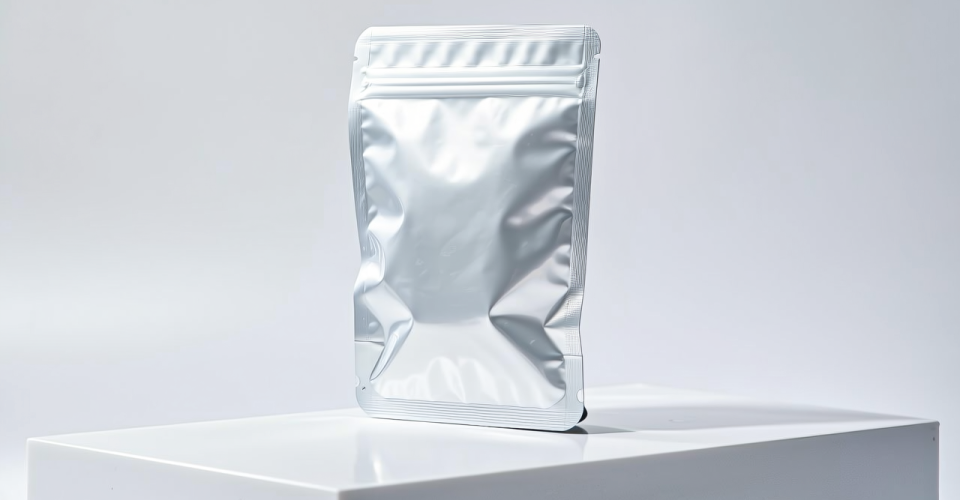
Conventional flexible packaging combines several materials — typically PET, aluminum foil, PA, and PE — to balance printing, barrier, and sealing performance. A typical retort pouch might use a PET/AL/PE structure. These multilayer films work well, but they are nearly impossible to recycle because the layers cannot be separated economically. Mono-material PE packaging takes the opposite approach: the entire pouch is built from polyethylene and PE-compatible materials, including the ink system, barrier coating, and sealant layer. After use, the whole package can enter the PE recycling stream and be turned back into pellets for non-food applications. This design-for-recycling logic is why mono-material PE packaging is now a priority for major retailers and regulators alike.
All-PE Structures: What They Can and Cannot Do
The honest trade-off is performance. PE has an oxygen transmission rate far higher than aluminum foil or EVOH, and its moisture barrier is weaker than metallized film. For oxygen-sensitive snacks such as potato chips and nuts, an all-PE pouch may deliver only half the shelf life of a multilayer laminate. For coffee beans, which need strong oxygen and aroma protection, a plain all-PE structure is rarely sufficient. That is why mono-material PE packaging today works best for short-shelf-life products — fresh bakery, frozen food, personal care, pet food, and dry goods — or for products that combine all-PE pouches with nitrogen flushing and oxygen absorbers. If your product depends on long-term freshness, pair the pouch with a well-designed moisture-proof packaging strategy before committing to a structure.
The Recycling Advantage and Regulatory Push
The clearest benefit of mono-material PE packaging is regulatory and commercial. In markets with plastic packaging taxes and extended producer responsibility schemes — Germany, France, and others — recyclable packaging directly reduces compliance costs. Major retailers in Europe are adding recyclability to their supplier scorecards, and some have made it a condition of listing. For exporters, switching to mono-material structures simplifies the paperwork around packaging registration and strengthens the brand story. The same logic applies to recycled content: packaging made with post-consumer resin completes the circular story, as we explain in our guide to recycled plastic in food packaging.
How Barrier Coatings Are Closing the Gap
Technology is narrowing the performance gap faster than many expect. Water-based barrier coatings applied to PE film can multiply oxygen resistance several times while keeping the pouch fully recyclable. Ultra-thin EVOH layers — kept below the threshold that disqualifies a package from single-material recycling — offer another path. Some suppliers are also modifying PE resins with nanofillers to improve barrier properties at the material level. These advances mean the application range of mono-material PE packaging will keep expanding, and costs are expected to fall as production capacity grows. Brands that start testing now will be ahead of the regulatory curve.
How to Choose: A Practical Checklist
Before moving to a mono-material PE structure, complete three steps. First, define your barrier requirements: target shelf life, oxygen and moisture sensitivity, and aroma retention. Second, check the recyclability rules and certification schemes in your target markets — what qualifies as “recyclable” differs by country and by recycling stream. Third, run real trials with your supplier: print, laminate, fill, seal, and test under actual distribution conditions. A pouch that looks fine in a sample book can fail after six weeks on a warehouse shelf, so never skip the shelf-life study.
Summary and Recommendations
Mono-material PE packaging is not a universal answer, but for the right products it is the most credible path to a circular packaging strategy. The winning approach is product-by-product evaluation: match the structure to the shelf life you actually need, verify with real test data, and let recyclability be the differentiator it deserves to be. If you are evaluating mono-material PE packaging for your products, contact OMOpack for a consultation. Visit OMOpack.com for more packaging knowledge and industry insights.