Buyers often ask us: food grade vs medical grade plastics — what is the difference, and is medical grade always “better”? The honest answer is that the two grades belong to different regulatory systems with different objectives. Food grade plastics are judged by migration safety — whether substances move from the packaging into food at acceptable levels. Medical grade plastics are judged by biocompatibility — whether materials are safe when they contact human tissue. Neither grade is automatically “higher” than the other. This guide explains the real differences between food grade and medical grade plastics and how to choose correctly. If you are new to food-contact materials, start with our guide to baby food packaging safety standards, which applies the same principles to the strictest food category.
Two Different Standard Systems
In China, food grade plastics are governed by the GB 4806 series — for example GB 4806.7 for plastic materials and articles intended to come into contact with food — with core requirements covering total migration, potassium permanganate consumption and heavy metal limits. Medical grade plastics fall under medical device standards such as GB/T 16886 (identical to ISO 10993) and GB/T 14233.1, whose core concern is biological safety. The starting points and end goals are different: food grade asks whether it is safe if small amounts transfer into food, while medical grade asks whether it is safe in contact with the human body. A material can pass food grade testing yet fail biocompatibility tests, and the reverse is equally true.
Testing: Migration vs Biocompatibility
The core test for food grade plastic is migration testing: total migration and specific migration into food simulants under defined time and temperature conditions, to verify that transfer stays within legal limits. The core evaluation for medical grade plastic is biocompatibility: cytotoxicity, skin irritation, sensitization and systemic toxicity studies performed according to ISO 10993. The testing laboratories, method standards and report formats are entirely different. A food grade test report cannot be used as evidence of medical safety, and a biocompatibility report does not demonstrate food-contact compliance.
Production and Cleanliness Requirements
Food packaging production in China operates under a food-related product production license, with requirements for workshop hygiene, raw material traceability and routine finished-product testing. Medical grade materials often demand higher cleanliness levels — some products must be manufactured in cleanrooms under medical device quality management systems. This is a major reason medical grade materials cost more: not the resin itself, but the production environment and quality system around it. A conventional food packaging factory cannot simply switch to medical packaging without investing in cleanroom facilities and a certified quality system.
Is Medical Grade Always Safer?
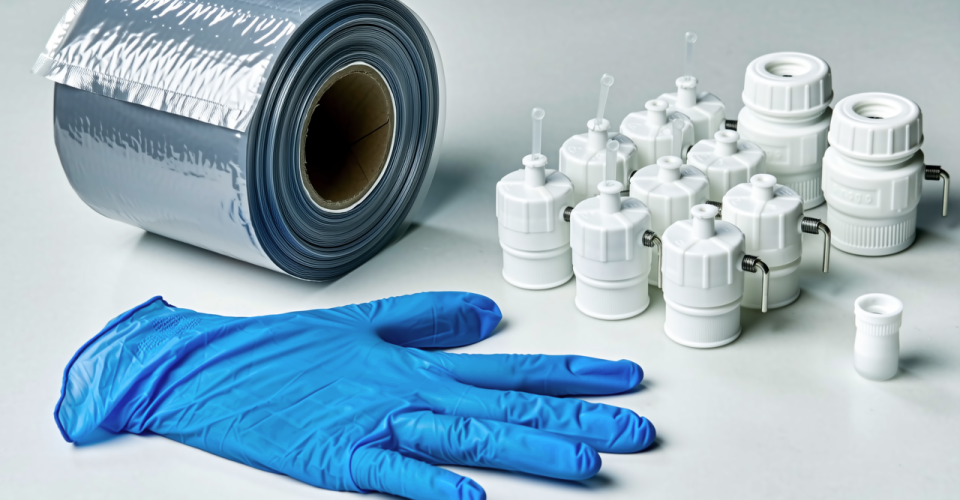
Not in the sense most people assume. Medical grade safety is defined for medical device scenarios such as infusion sets, syringes and surgical consumables; food grade safety is defined for food-contact scenarios. The two are not interchangeable. Some companies use medical grade resin for food packaging, but this offers no compliance advantage — food grade has its own clear standards and testing requirements, and medical reports do not substitute for them. Using food grade material in medical devices is equally non-compliant. The right approach is to select the grade according to the actual application.
How to Verify the Grade When Purchasing
When sourcing food or medical packaging, check three things. First, supplier qualifications: a food-grade supplier should hold the relevant production license, and a medical-grade supplier should hold medical device qualifications. Second, test reports: the standard numbers on the reports must match the market you serve. Third, raw material traceability: ask for compliance declarations and batch records for the resin. For food packaging in particular, our article on recycled plastic in food packaging shows how strictly the food-contact rules are applied even to recycled materials.
Summary
The difference between food grade and medical grade plastics comes down to standards and testing logic, not a simple ranking. Define the application first, then match it against the relevant standard and testing requirements, and ask your supplier for written compliance statements. If you need food-grade flexible packaging for your products, contact OMOpack — our materials are selected and verified against food-contact requirements, and we can recommend the right structure for your application. Visit OMOpack.com for more packaging knowledge and industry insights.