EU Export Packaging Requirements Explained: CE Marking and Food-Contact Regulations
Exporting to the EU requires understanding the CE mark, EU 10/2011 and Declarations of Compliance.

OMOPACK-Plastic Packaging Factory | Flexible packaging manufacturer
Flexible packaging manufacturer
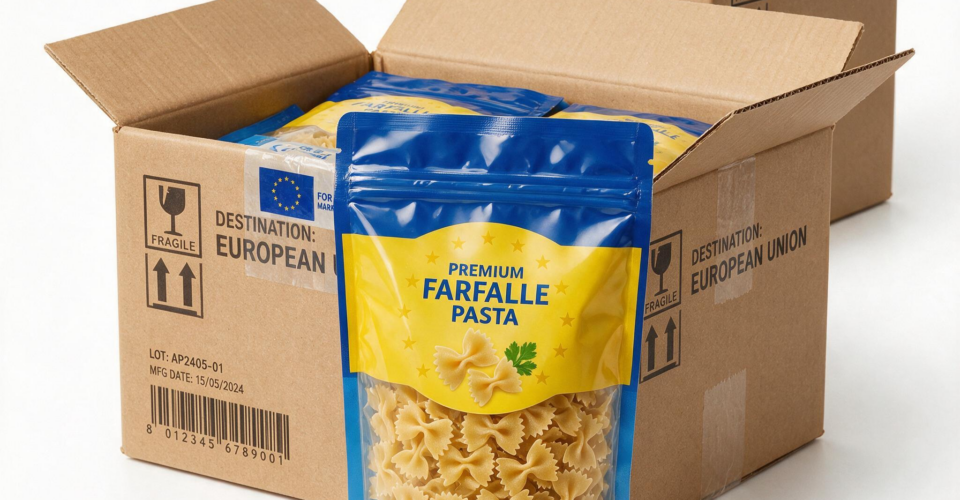
Exporting to the EU requires understanding the CE mark, EU 10/2011 and Declarations of Compliance.
US FDA, EU regulations, Japan’s Food Sanitation Act, Australia’s FSANZ, Southeast Asian countries — what regulatory requirements must food packaging exports meet globally? One article comparing five major markets.
PET Materials Fully Explained: The Cross-Category Journey from Beverage Bottles to Food Pouches
In modern food packaging, PET is at once the most familiar and the most unfamiliar material. The bottled water bottle in your hand, the snack packaging on the supermarket shelf, even the tray you heat in the microwave — PET may be behind all of them. Yet few people truly understand PET’s properties, classifications and suitable scenarios. This article takes a full look at this “universal” packaging material, from chemical structure to factory application.
How to Identify Food-Grade Plastic? A Factory QC Inspector Shares 4 Practical Methods
How to identify food-grade plastic is one of the most common questions for food packaging buyers. With so many plastic products on the market, how do you know which are truly food grade? OMOPACK’s QC inspectors share 4 practical identification methods from a factory perspective to help you avoid pitfalls in purchasing. Food-grade plastic is plastic that, under normal conditions of use, does not harm human health when in contact with food.
What Does Food Contact Material Mean? How Is It Different from Ordinary Plastic?
Food contact materials refer to materials and products that come into contact, or may come into contact, with food under normal conditions of use. This includes pouches, cling film, food containers and food processing equipment. Food contact materials differ fundamentally from ordinary plastics in regulatory oversight, raw material selection and performance requirements. OMOPACK, as a professional food packaging manufacturer, explains this key concept in depth.
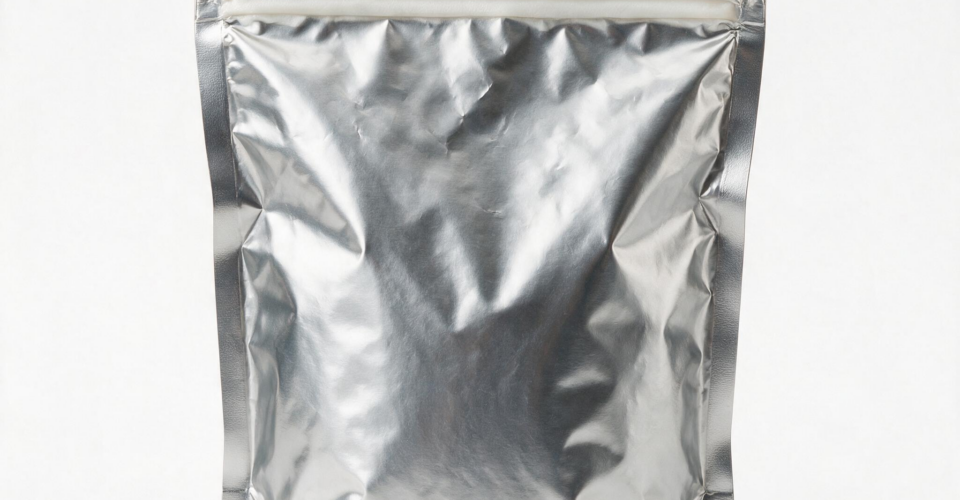
Foil Pouches In Depth: What Exactly Is the Difference Between Pure Foil and Metallized Pouches?
Foil pouches are among the strongest barrier pouch types in food packaging. From preserving fresh coffee beans to sterilizing retort food, foil pouches protect food quality and flavor with near-perfect barrier performance. Yet many buyers are unclear about the difference between pure foil and metallized pouches: though similar in name, they differ fundamentally in material structure, performance and application. This article analyzes foil pouches from multiple dimensions.
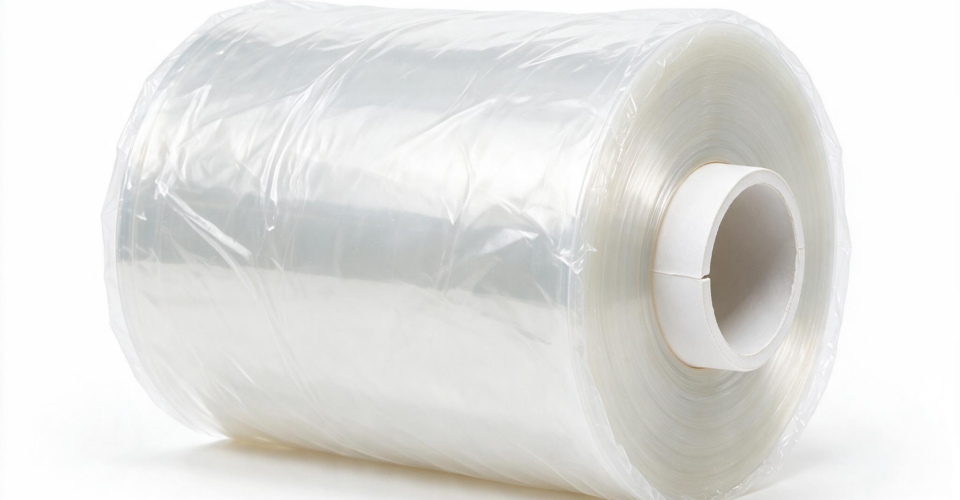
PET Materials Fully Explained: The Cross-Category Journey from Beverage Bottles to Food Pouches
PET is one of the most common plastic materials in food packaging. From the bottled water you touch every day to the laminated pouches of premium food, PET is everywhere. PET pouches and PET films hold an important place in food packaging thanks to their excellent transparency, good mechanical strength and outstanding gas barrier performance. This article fully explains the properties, applications and selection points of PET.
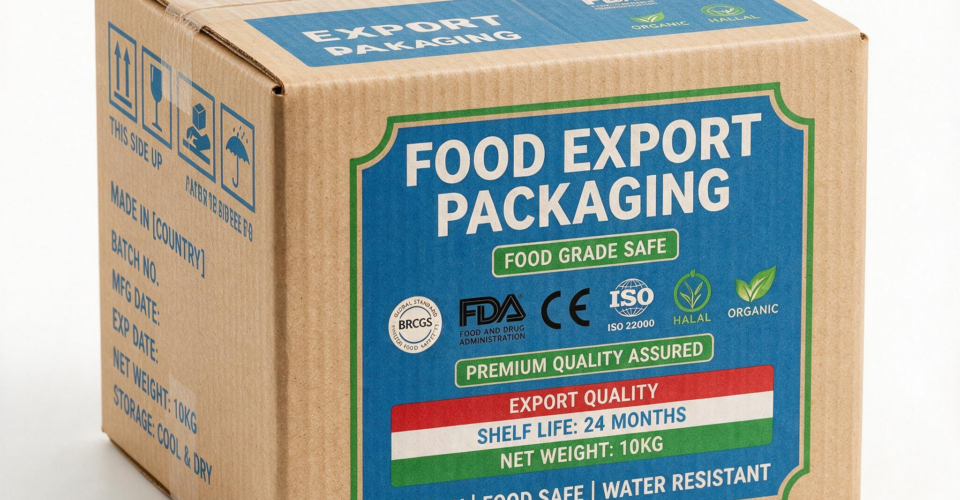
What Certifications Do Food Export Packaging Need? A Complete Certification Checklist for Global Exports
As Chinese food brands expand globally, more and more companies need to export products to overseas markets. As the first line of defense in food safety, the compliance of food packaging directly determines whether a product can enter its target market. Requirements vary widely by country and product. This article puts together a complete certification checklist for food export packaging to help you avoid detours on your international journey.
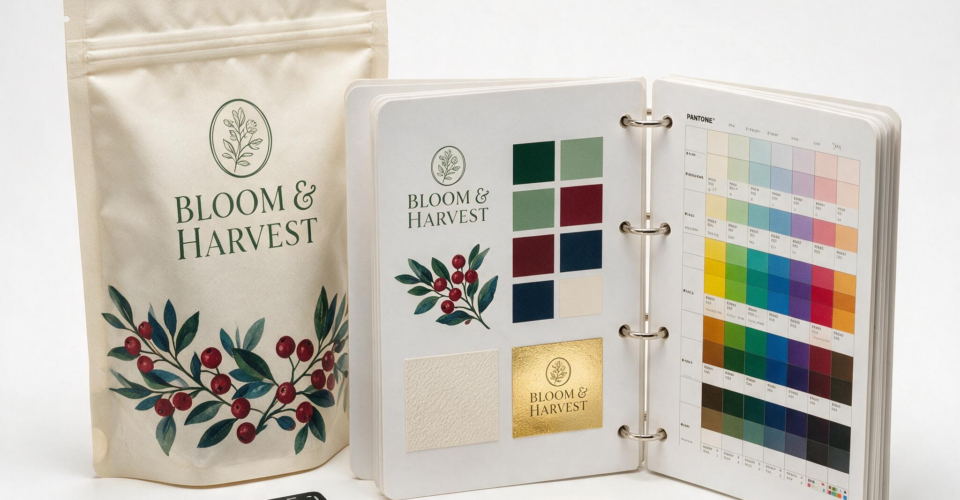
For packaging buyers and product managers, the most tense moment in new product development is when the design is finalized and mass production is about to start. To rush the schedule or save upfront budget, many brands skip packaging sampling entirely, or order production directly from a 2D flat rendering. The result: packaging materials that […]
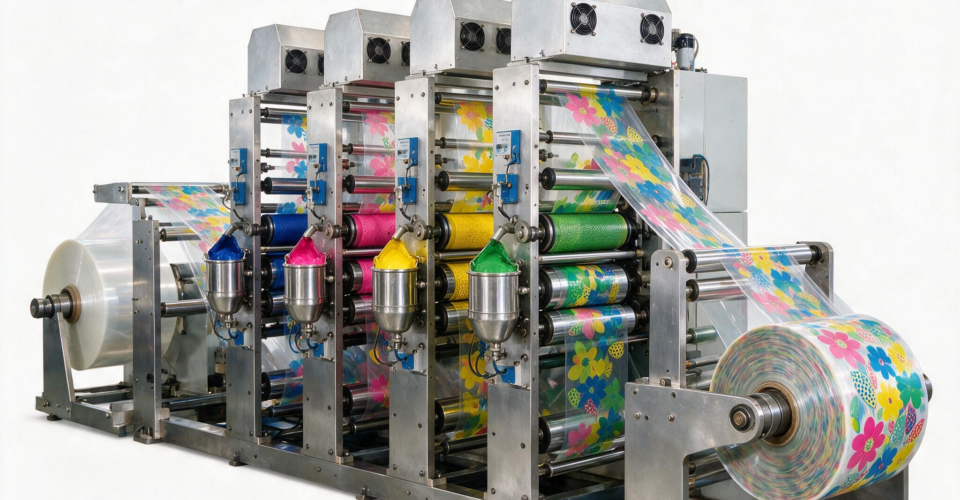
In high-volume industries like food, home & personal care and pharmaceuticals, the high-speed operation of fully automatic packaging machines is the lifeline of production capacity. Many brands producing hundreds of thousands of pieces a day don’t buy finished plastic pouches — they buy automatic packaging roll stock(Film Roll)。 But in fully automatic high-speed machine packaging, […]