How to Prevent Export Packaging Damage? A 6-Layer Transport Protection Strategy

How to Prevent Export Packaging Damage? A 6-Layer Transport Protection Strategy

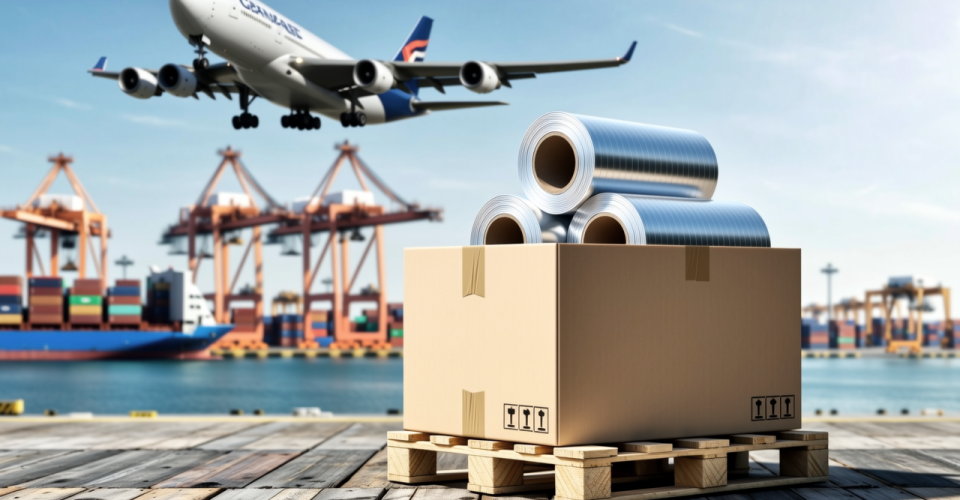
Damage during transport is one of the most headache-inducing problems for export businesses: ocean shipping jolts, transfer loading/unloading, and courier sorting — any link can damage carefully packaged products, leading at best to returns and exchanges, at worst to claims and disputes. How do you prevent export packaging damage? The answer is not simply thickening the carton, but a systematic protection strategy from the inside out. Drawing on years of export packaging experience, this article breaks down a practical 6-layer protection plan.

EU Export Packaging Requirements Explained: CE Marking and Food-Contact Regulations, Complete Guide

EU Export Packaging Requirements Explained: CE Mark and Food Contact Regulations — Complete Guide

Export packaging requirements for the EU are a concern for many Chinese food and consumer goods companies. The EU regulates packaging in two major areas: first, the safety compliance of the packaging itself, involving food contact material regulations (packaging that directly contacts food must meet Framework Regulation EC 1935/2004); second, the environmental compliance of packaging waste, involving recycling, labeling and producer responsibility. This article systematically sorts out the requirements for exporting packaging to the EU to help you avoid detours and pitfalls.

Global Packaging Regulations Comparison Table: US, EU, Japan, Australia and Southeast Asia Explained

Global Packaging Regulation Comparison: US/EU/Japan/Australia and Southeast Asia Requirements Explained

Packaging compliance is often where export food companies stumble the most. As the global packaging regulation comparison shows, the US, EU, Japan, Australia and Southeast Asia differ enormously in food contact material requirements: some markets look at FDA certification, some recognize the EU framework, and others require local registration. Not understanding these differences can mean detained goods at best, or recalls and fines at worst. This article systematically sorts out the packaging regulation points of five major regional markets to help exporters build a clear compliance map.

Export Packaging Requirements for Japan: A Food Sanitation Act Compliance Guide

Export Packaging Requirements for Japan: Food Sanitation Act Compliance Guide

Export packaging requirements for Japan are centered on the Japanese Food Sanitation Act, which differs significantly from the US and EU regulatory systems. Japan’s control over food contact materials is meticulous and strict; packaging exporters who apply US FDA thinking to Japanese regulations will easily stumble. This article sorts out the key content of export packaging requirements for Japan, including the regulatory framework, material lists, labeling and testing requirements, to help you avoid detours.

PCR Recycled Plastic Explained: Applications of Post-Consumer Recycled Materials in Packaging

PCR Recycled Plastic Explained: Post-Consumer Recycled Materials in Packaging

PCR recycled plastic — post-consumer recycled plastic — is becoming an important path for carbon reduction in the packaging industry. More and more brands use PCR materials to lower their carbon footprint and fulfill environmental commitments, and regulations in markets like the EU are also driving up recycled content ratios. What exactly is PCR recycled plastic, which packaging can it be used in, and is it compliant for food contact? This article explains it all at once.

How to Design Cross-Border E-Commerce Packaging? 5 Core Principles

How to Design Cross-Border E-Commerce Product Packaging? 5 Core Principles

Cross-border e-commerce competition has extended from the product itself to packaging. The first thing overseas consumers see when receiving a package is the packaging; platforms like Amazon and TikTok Shop also have clear packaging requirements. A good cross-border e-commerce product packaging design is not just “good-looking” — it must simultaneously satisfy four dimensions: logistics, cost, compliance and brand experience. Based on practical experience from a flexible packaging factory, this article summarizes 5 core principles for cross-border e-commerce product packaging design.

EU EPR Packaging Compliance Guide: Full Registration and Reporting Process for Exporters

EU EPR Packaging Compliance Guide: The Full Registration and Reporting Process for Exporters

For companies exporting to the EU market, EPR (Extended Producer Responsibility) is no longer an “option” but a compliance threshold for entering the European market. Since 2023, major countries such as Germany and France have progressively tightened packaging law enforcement; companies that fail to complete EPR registration and reporting face delisting, fines and even sales bans. What exactly is EU EPR? Which countries must packaging exporters register in? What is the full registration and reporting process? Based on our hands-on experience serving cross-border clients, this article provides a complete guide.

amazon-packaging-requirements

Amazon Packaging Requirements Explained: SIOC vs Frustration-Free Packaging

Amazon Packaging Requirements Explained: How to Choose Between SIOC and Frustration-Free Packaging

Amazon packaging requirements are rules every cross-border seller must understand before listing products. SIOC and Frustration-Free Packaging are the two most frequently mentioned concepts. Many sellers are confused when they first hear these terms — not knowing the difference or which one their product should use. Drawing on our practical experience serving cross-border clients, this article explains these two concepts in Amazon packaging requirements in plain terms.

How to Tell Real Biodegradable Plastic Bags from Fakes? 5 Practical Methods to Avoid Traps

How to Tell Real Biodegradable Plastic Bags from Fakes? 5 Practical Methods to Avoid Traps

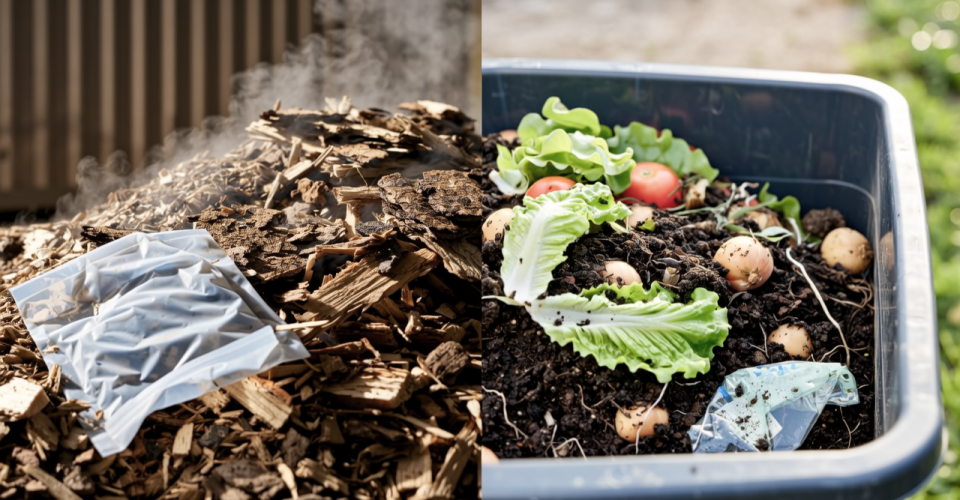
As the plastic ban advances nationwide, “biodegradable plastic bags” have become a buzzword in supermarket, delivery and e-commerce packaging. But the market is full of mixed quality: some bags genuinely decompose under specific conditions, while others are just ordinary PE bags with new marketing claims and a higher price. How to tell real biodegradable plastic bags from fakes is a question consumers and buyers cannot avoid. This article combines frontline production and testing experience to give you 5 practical identification methods that require no professional equipment.

The Complete Guide to PLA: An In-Depth Look from Polylactic Acid to Packaging Applications

What is PLA? A comprehensive introduction to polylactic acid

PLA (Polylactic Acid) is a bio-based plastic made from renewable plant resources such as corn starch, cassava or sugarcane, by fermenting them into lactic acid and then polymerizing it. As one of the most commercially successful biodegradable materials, PLA is showing increasingly important application value in food packaging. It not only offers the processing performance of traditional plastics, but also unique biodegradable properties, making it a popular solution to plastic pollution.

Please enable JavaScript in your browser to complete this form.
=