Food pouch selection is a critical decision every food business must face. Walking down the supermarket aisle, you will find that similar products have wildly different packaging. Some pouches feel premium and make you want to pick them up; others feel cheap. As a food brand operator or procurement manager, you have surely asked yourself: what pouch should my product use? Choose right, and the packaging becomes your free salesperson; choose wrong, and it not only hurts sales but can even cause spoilage and other serious consequences. Today, let us talk about the 5 key factors in choosing a food packaging pouch to help you think clearly.
1. Food packaging pouch material selection: what kind of” outerwear your product needs”?
The most common food pouch materials include plastics (PE, PP, PET), aluminum foil laminates and paper. Each material has its own unique properties and applications:PE pouches are soft and moisture-resistant, suitable for dry goods and powders, low cost but average feel; PET pouches are strong and transparent, often used as outer packaging for snacks and frozen food; foil laminate pouches offer excellent barrier — the first choice for coffee beans, nuts, tea and other products needing long-term freshness, though relatively costly; paper packaging is eco-friendly and breathable, suitable for bread, pastries and other short-shelf-life products, and fits the current sustainable packaging trend.
Notably, many food pouches today use multi-layer laminated structures. For example, the classic PET/AL/PE three-layer structure: outer PET provides the printing surface and strength, middle AL provides barrier, and inner PE handles heat sealing. This laminate balances strength, barrier and sealing performance and is one of the most common solutions for custom food pouches. When choosing materials, consider not only the product’s own characteristics but also shipping and storage conditions and the target market’s environmental requirements.
2. Barrier performance: the key line of defense for freshness
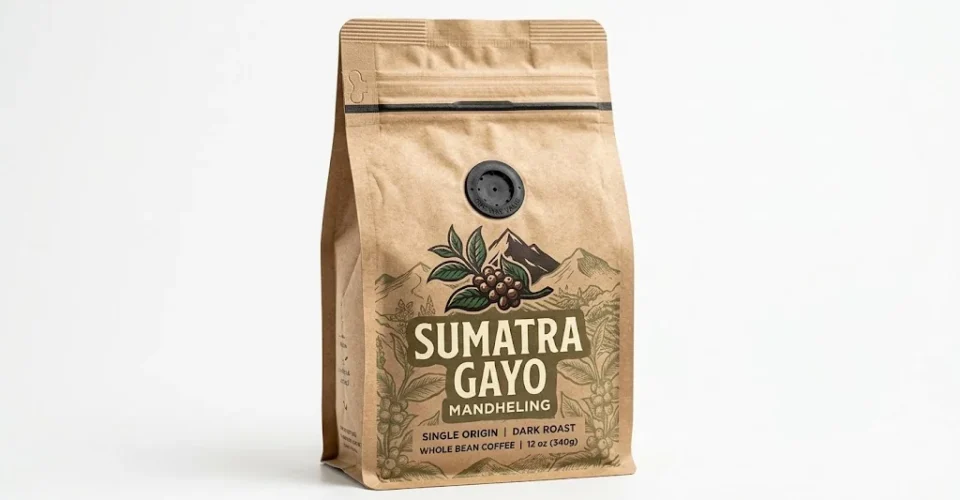
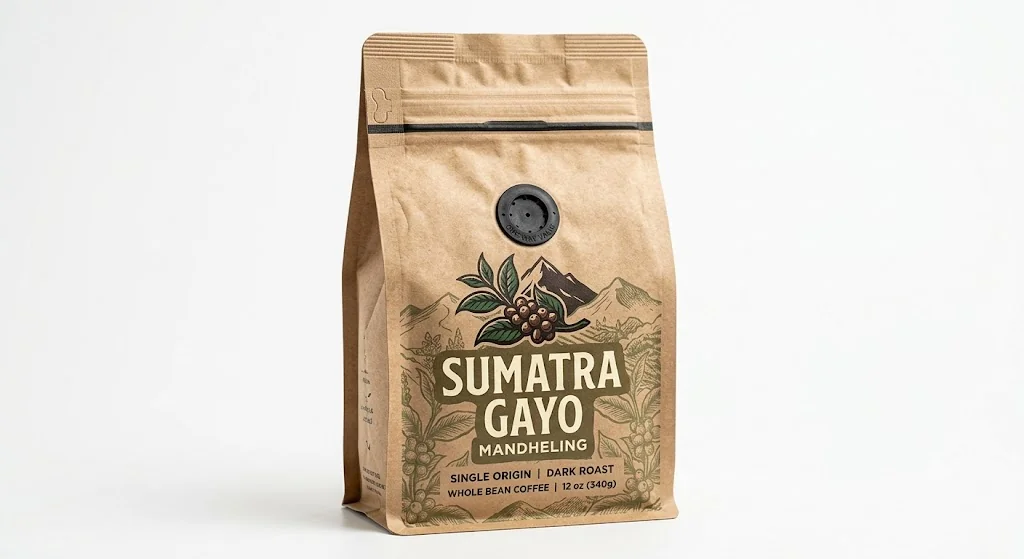
Barrier is one of the most core functional indicators of a food pouch. Different foods vary greatly in sensitivity to oxygen, moisture and light, which directly determines the pouch’s functional structure. For example, coffee beans are extremely sensitive to oxygen and keep releasing CO2 after roasting, so they need high-barrier packaging with a one-way degassing valve that lets gas out but keeps oxygen out, preserving the coffee’s aroma and freshness. Nuts have high requirements for both moisture and oxygen; foil laminate pouches with oxygen absorbers are the most common and reliable solution.
Puffed snacks like chips need nitrogen-flush packaging to stay crisp, so the pouch’s nitrogen barrier is equally critical. If the barrier falls short, products may oxidize, absorb moisture or soften within the shelf life, causing returns and reputational damage. Therefore, when choosing a food pouch, always specify your product category, target market climate and expected shelf life to the manufacturer, and let professional engineers recommend a suitable barrier structure.
3. Printing process: packaging is your brand business card
In a fiercely competitive market, a package’s visual effect directly influences purchase decisions. Fine printing makes a product stand out on the shelf, while rough printing undermines the brand image. The mainstream processes today are gravure and flexographic printing. Gravure offers rich, saturated colors, fine detail and high precision, ideal for large-volume orders — plate costs are higher, but the per-unit cost is lower at scale. Flexo is more flexible, suits small-to-medium runs, has shorter lead times and lower plate-change costs.
Whichever process you choose, communicate fully with the printer during the design stage, set up a color management plan and request proof confirmation to avoid color deviation between the final product and the artwork. In addition, eco-friendly water-based inks and biodegradable materials are gaining attention from brands — conveying a green brand message is a plus for brand image. If you are unfamiliar with printing processes, ask the packaging manufacturer for sample comparisons before mass production.
4. Sealing method: details determine user experience
The pouch’s sealing method greatly affects product preservation and user experience. Common options include heat sealing, zipper closures and easy-tear openings. Heat sealing is the most basic — strong seals, low cost, ideal for single-use products; zippers allow repeated opening and closing with reliable sealing, ideal for products consumed over multiple sessions such as frozen food, snacks and pet food; easy-tear openings improve convenience so users can open pouches without scissors — very popular in fast-moving consumer goods.
When customizing pouches, choose the sealing method based on the product’s use scenario and target consumers. For large family packs, a zipper plus easy-tear opening is an excellent combination; for portable small packs aimed at office workers, heat sealing plus an easy-tear opening is enough. Sealing may seem a minor detail, but it significantly affects repurchase intent and deserves careful consideration.
5. Cost control: finding the balance between quality and budget
Packaging cost typically accounts for 5% to 15% of total food cost, and sound cost control directly affects profit margins and pricing room. The main price drivers include: material structure (more laminate layers cost more), number of print colors (each additional color adds 10%-15% cost), size specifications, and order quantity. Generally, the larger the single order, the lower the unit price — but avoid overstocking that ties up capital.
We recommend starting with a basic material and simple design at launch, then upgrading gradually once the market validates the product. You can also sign a long-term agreement with the manufacturer to lock in pricing and secure priority production scheduling.USDA Food Packaging Safety GuidelinesIncustom food packaging pouches when comparing, consider asking the manufacturer for 2-3 options with different materials and price points, and find the balance between quality and budget that suits you best.
Summary: choose the right packaging and let your product stand out
Choosing a food pouch is not a simple outsourcing purchase — it is a key part of product strategy. Material match determines freshness performance, barrier directly affects shelf life and food safety, printing shapes brand image, sealing improves user experience and repurchase rate, and cost control bears on profit margins. These five factors are interlocked and none can be skipped.
In practice, start by clarifying the product’s core needs and positioning and setting a budget, then discuss options with several packaging manufacturers and let professional engineers make targeted recommendations based on your product’s characteristics. If possible, check out ourcomplete guide to food pouch types, and sample testing is an indispensable step — only by seeing and touching actual samples can you make the most accurate decision.
Questions about custom food pouches? Welcome toContact OMOPACK. We provide full-process one-stop service from material selection and structural design to printing and production, with free professional advice and sampling services.