Carbon neutral packaging has moved from a talking point to a procurement requirement. Global brands are publishing net-zero roadmaps, EU regulations are tightening carbon disclosure rules, and consumers are learning to read carbon footprint labels. For flexible packaging manufacturers, the path to carbon neutral packaging is a systematic effort that spans materials, energy, production processes, logistics and carbon accounting. Earlier we explained the business logic behind eco-friendly packaging; this article focuses on how to make carbon neutral packaging happen on the factory floor.
Why the Packaging Industry Must Address Carbon Neutrality
Packaging accounts for a significant share of the carbon footprint in consumer supply chains. Emissions come from resin production, printing and lamination processes, and end-of-life treatment. Three forces are pushing the industry toward carbon neutral packaging. First, regulation: the EU Carbon Border Adjustment Mechanism and new packaging rules require importers to disclose carbon data. Second, the market: major food and beverage brands have committed to net-zero timelines and now ask suppliers for carbon reports. Third, consumers: carbon labels are becoming a symbol of trust. Packaging companies that build decarbonization capability early will win supply chain positions that others cannot easily take.
Direction 1: Reduce Carbon at the Material Level
Materials account for the largest share of packaging carbon emissions. Practical steps include lightweighting to reduce film usage per unit, switching to mono-material structures that are easier to recycle, using PCR recycled resin in non-food-contact applications, and exploring bio-based feedstocks. The challenge is balancing barrier performance and cost. Every material change should be validated with real shelf-life and transport testing before scale-up. Brands and factories should qualify alternatives together, without compromising product protection or consumer safety.
Direction 2: Transform the Energy Mix
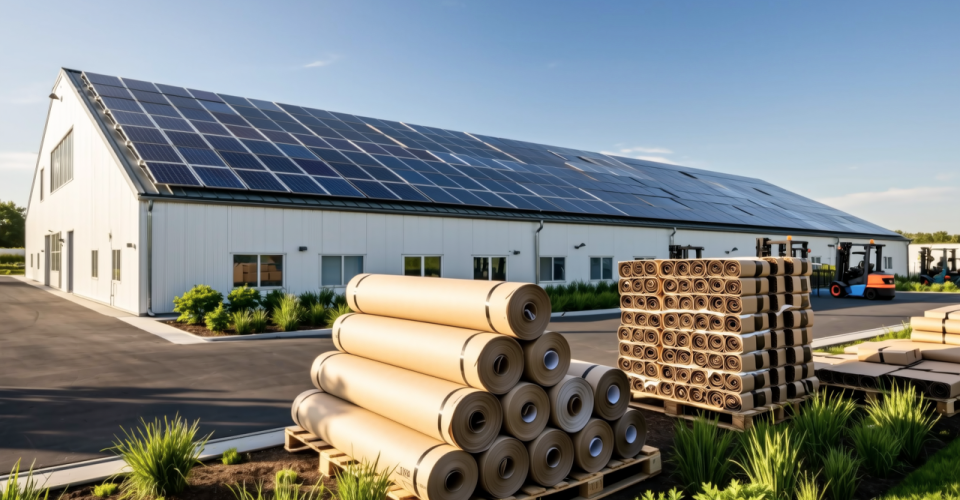
Printing, lamination and bag making are energy-intensive processes, so the energy mix largely determines a factory’s emission baseline. Options include rooftop solar panels, green power purchase agreements, and upgrading drying systems to energy-efficient hot-air circulation. Energy transformation requires significant investment and long payback periods, but it offers the most certain decarbonization potential. Factories with long-term planning should phase it in gradually, starting with a single workshop, rather than waiting for regulation to force the change.
Direction 3: Save Energy in Production Processes
Process improvements often deliver the fastest carbon savings. Switching from solvent-based dry lamination to solvent-free lamination eliminates drying ovens and VOC emissions. Replacing solvent-based gravure printing with water-based inks and flexography cuts energy use significantly. Waste-heat recovery, frequency-converter motors and smarter production scheduling all contribute as well. Process optimization is attractive because it usually reduces cost at the same time, which makes it the most accessible starting point for most factories.
Direction 4: Cut Emissions in Logistics and Design
A large share of packaging emissions hides in transportation. Optimizing pouch dimensions to improve container loading rates, using lighter structures to reduce shipping weight, and designing collapsible packaging to avoid empty return trips all lower transport emissions. When brands consider logistics during the design phase, small changes can deliver measurable carbon savings. This direction is often overlooked because the emissions appear outside the factory gate, but they still count toward the product’s total footprint and are relatively cheap to reduce.
Direction 5: Measure and Manage Carbon
You cannot manage what you do not measure. Factories need the ability to calculate the carbon footprint of their products from raw materials to finished goods. Accurate data enables targeted reduction targets, carbon footprint labels, and export compliance documentation. Small and medium factories can start with a single product line, then expand to plant-wide accounting as capabilities grow. Third-party verification adds credibility with brand customers and regulators alike, and makes the data usable in commercial tenders.
Summary and Recommendations
There is no single answer to carbon neutral packaging, but the five directions — materials, energy, processes, logistics and accounting — provide a clear action framework. Start with process optimization and material changes, then move to energy transformation and carbon accounting systems. For more on how regulation is reshaping the industry, see our analysis of how the Global Plastics Treaty affects packaging. If your brand is planning a sustainable packaging program, contact OMOpack for material selection and carbon data support.
Visit OMOpack.com for more packaging knowledge and industry insights.