1. Overview of Custom Pouch Materials
Choosing the right material is the first step to successful custom packaging.
Many customers’ first question when customizing pouches is: what material should I choose? This is indeed a critical question — the material determines protective performance, print results, cost budget, and even consumer purchase decisions. Kraft paper, foil, non-woven, plastic laminates, biodegradable materials… with so many choices on the market, which one suits your product?
Today’s article covers the 5 most commoncustom pouch materials in one go, helping you quickly lock in the most suitable solution.
1. Kraft paper – eco-friendly and natural, suitable for dry products
Kraft paper is one of the most classic choices for custom pouches.US FDA food packaging material standards have clear provisions for food-contact materials.
Advantages:Kraft paper is naturally eco-friendly, biodegradable and recyclable, fitting the current green packaging trend. Its natural texture and color give a rustic, handmade feel, suited to premium positioning. Good printability, moderate cost and excellent value.
Disadvantages:Pure kraft paper is not water- or oil-proof and cannot hold wet or greasy products. Load-bearing is weaker than non-woven, and sealing is average — an inner bag or lamination is needed.
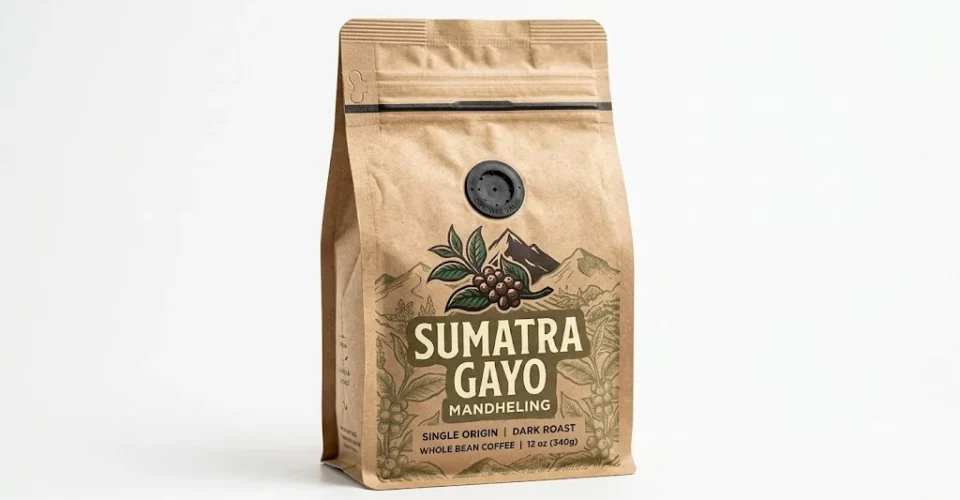
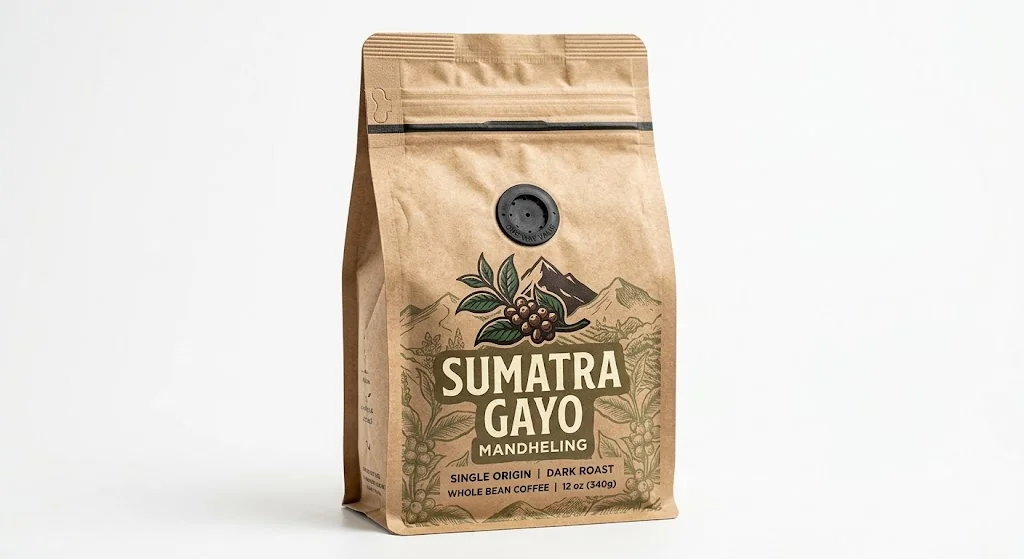
What products is it suitable for?Coffee beans, tea, dried fruit, snacks, bakery foods, flour, rice and other dry foods, plus non-food products such as clothing and gifts.
2. Aluminum foil laminates – high barrier, a freshness-keeping powerhouse
Foil laminate pouches are multi-layer structures with an aluminum foil layer in the middle and plastic films laminated on both sides.
Advantages:Ultra-high barrier, blocking almost all oxygen, moisture and light — first-class freshness. Excellent aroma retention, locking in scent and extending shelf life. The silver-white sheen conveys a high-tech, premium feel.
Disadvantages:Multi-layer structures are complex and cost more. Aluminum-plastic laminates are hard to recycle and degrade.
What products is it suitable for?Coffee powder, seasonings, milk powder, health products, cosmetics, tea and other products with high moisture and oxidation resistance requirements.
3. Plastic laminates – lightweight, flexible and the most widely used
Plastic laminate pouches are made by laminating different plastic films (such as PE, PP, PET, NY, etc.).
Advantages:Light and durable, low cost, can feature transparent windows, good heat sealing, water- and oil-proof.
Disadvantages:Ordinary plastics degrade poorly and face regulatory pressure. May release harmful substances at high temperatures.
What products is it suitable for?Snacks, frozen food, liquid products, pet food, etc. Suitable for product lines needing high volume and low cost.
4. Non-woven fabric – durable and reusable
Non-woven fabric is a new material made by bonding oriented or random fibers through physical methods.
Advantages:Very durable with high strength, reusable. Breathable, eco-friendly and biodegradable. Works with screen printing, heat transfer printing and other processes. High load-bearing.
Disadvantages:Not water-proof, cannot be heat-sealed, higher unit price, not suitable for powder products.
What products is it suitable for?Shopping bags, gift bags, produce, clothing, books, etc. Great for branded shopping bags — equivalent to mobile advertising.
5. Degradable materials – the new eco-friendly trend
Degradable materials such as PLA (polylactic acid), PBAT and starch-based materials are eco-friendly options growing rapidly in recent years.
Advantages:Degrades under industrial composting conditions — strong support for brand eco messaging. Performance approaches traditional plastics. Complies with plastic-restriction mandates, EU PPWR and similar regulations.
Disadvantages:Costs 30% to 50% more than traditional plastics. Needs industrial composting facilities to degrade. PLA deforms above 60°C.
What products is it suitable for?Brand products with an eco positioning, products exported to the European market, organic food, natural cosmetics, etc.
6. Material selection principles: one table for quick decisions
| Product characteristics | Recommended material | Reason |
|---|---|---|
| Dry solids | Kraft paper + foil lining | Eco-friendly look + moisture protection and freshness |
| Powder / high moisture protection | Foil laminate pouch | Strongest barrier, locks in aroma and freshness |
| Snacks / large volumes | Plastic laminate pouch | Low cost, high efficiency |
| Liquid / paste | Plastic laminate pouch (with spout) | Good sealing, easy to pour |
| Shopping bags / gift bags | Non-woven fabric | Durable, can carry branding |
| Eco-friendly positioning / export | Degradable materials | Eco-friendly selling point, compliant |
| Frozen food | Plastic laminate (NY/PE) | Low-temperature resistant, puncture resistant |
7. Pitfall Avoidance Guide
1. Only looking at price, not performance. Some materials look cheap, but if the packaging leaks or breaks within a month, the loss far exceeds the savings.
2. Ignoring printing process compatibility. Different materials suit different printing methods – kraft paper suits water-based printing, while plastic films need gravure or digital printing. Choosing the wrong material hurts brand presentation.
3. Skipping custom sample testing. Small-batch pouch sampling is a must, especially for first-time custom orders of new products.
4. Ignoring environmental regulations. Learn more aboutdegradable packaging materials information — planning eco-friendly materials in advance is a wise move. More and more countries and regions have imposed strict restrictions on plastic packaging; planning eco-friendly materials in advance is a wise move.
Conclusion: advice on choosing custom pouch materials
There is no “best” custom pouch material, only the “most suitable” one. Start from the product’s physical characteristics and weigh protection, cost budget, brand positioning and environmental needs to make the optimal decision among the many options.
Not sure which material suits your product? Contact OMOPACK – we offer free samples and one-on-one consultation to help you handle everything from material to design in one stop.
Interested in custom pouches? Welcome toContact OMOPACK. We offer one-stop service from material selection and structural design to printing and production, with free professional advice and sampling service.