
Sustainable Packaging
OMOPACK develops sustainable flexible packaging options by balancing product protection, material efficiency, and end-of-life considerations. We evaluate materials and structures based on the product, target market, and available waste-management systems.
Why Use Sustainable Packaging?
Packaging protects food, supports shelf life, and reduces damage during transport, but its environmental impact can continue after disposal. As a flexible packaging manufacturer, OMOPACK considers material selection, production efficiency, product protection, and end-of-life options throughout the packaging lifecycle.
Our approach includes material reduction, recyclable and compostable structures, production-waste management, and emissions controls. We also consider product safety, employee health, and responsible manufacturing practices.
No single material is suitable for every application. The appropriate option depends on product-protection requirements, the target market, and locally available waste-management systems.
A Lifecycle Approach to Sustainable Packaging
Our approach considers material reduction, design for recycling, renewable feedstocks, and appropriate end-of-life options while maintaining the product protection required for each application.
Reduce Unnecessary Material Use
Where performance requirements allow, material use can be reduced through optimized film structures and right-sized packaging.

Reduce Dependence on Fossil Feedstocks
Plant-derived and bio-based feedstocks may reduce reliance on virgin fossil resources, but suitability and performance must be evaluated for each application.

Design for Recycling
Where appropriate, we evaluate mono-material structures such as Mono-PE and Mono-PP to improve compatibility with certain recycling systems.

Plan for End-of-Life Options
We evaluate recycling and composting options based on the complete packaging structure, applicable requirements, and locally available collection and processing systems.
Sustainable Packaging Options
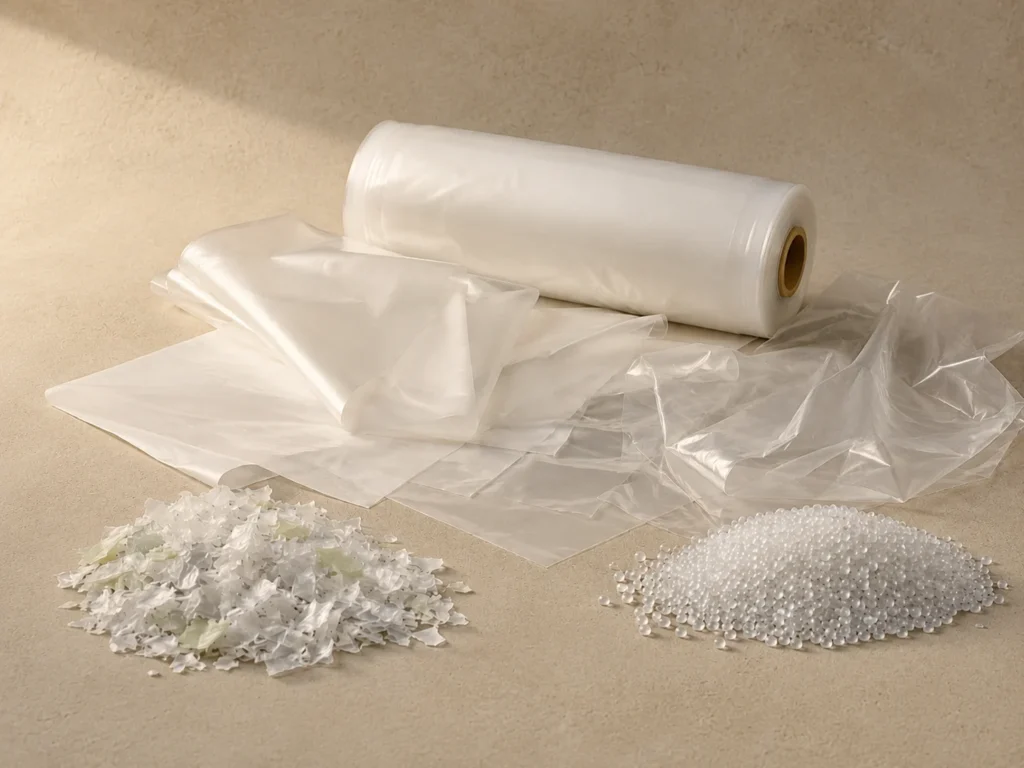
Recyclable Material Packaging
Mono-material structures such as Mono-PE, MDO-PE/PE, and Mono-PP may improve compatibility with certain recycling systems. Barrier, sealing, printing, and transport requirements must be evaluated for each application.
Options incorporating post-consumer recycled content may reduce the use of virgin resin. Actual recycled content, recyclability, and food-contact suitability depend on the complete package, target-market requirements, and local recycling infrastructure.
Bio-Based Materials
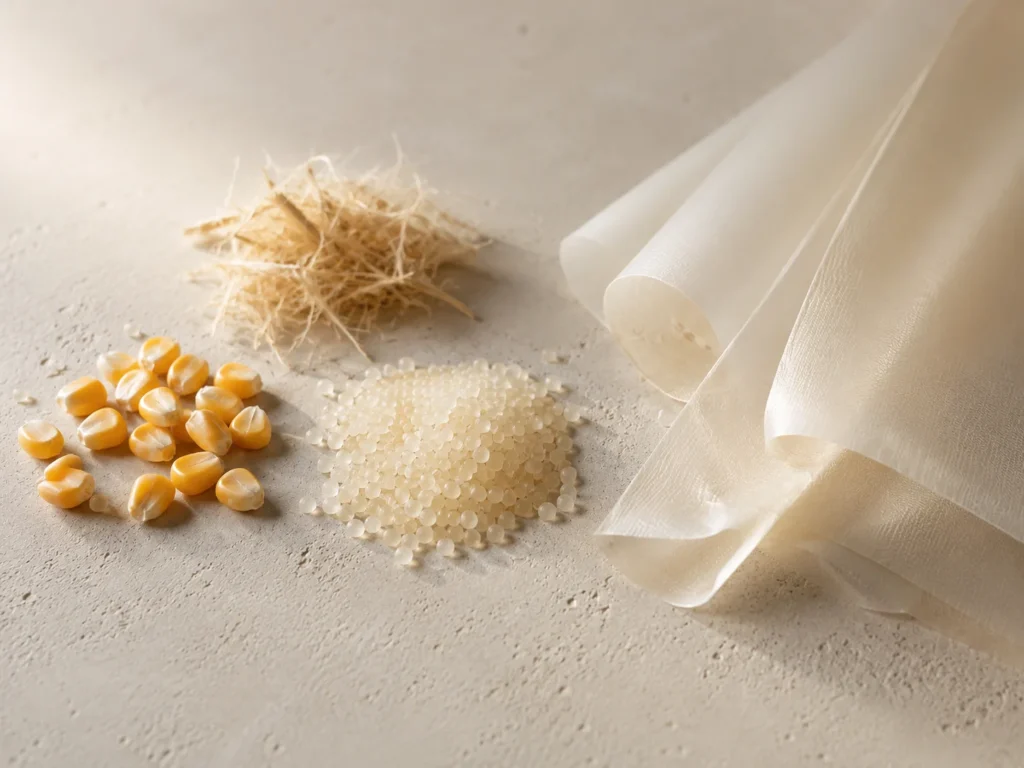
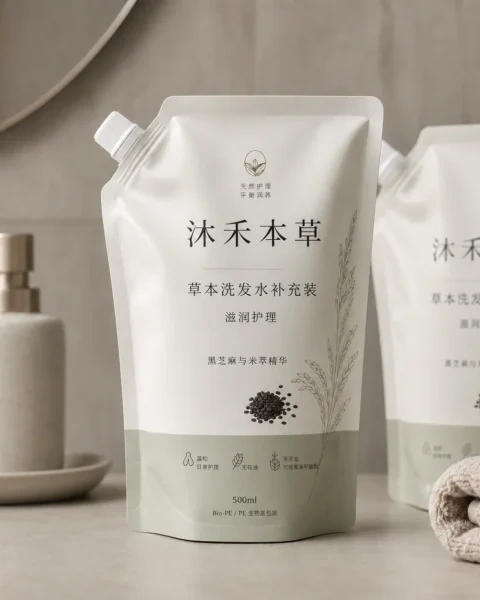
Bio-based materials replace a portion of fossil-derived feedstocks with renewable feedstocks. Barrier, sealing, printing, and converting performance varies by material and package structure and must be evaluated for each application.
They can be used for food, coffee, nuts, pet food, and home and personal care packaging. Bio-based describes the source of the feedstock; it does not mean the finished package will biodegrade or compost automatically. Specific bio-based content should be supported by material documentation or test results.
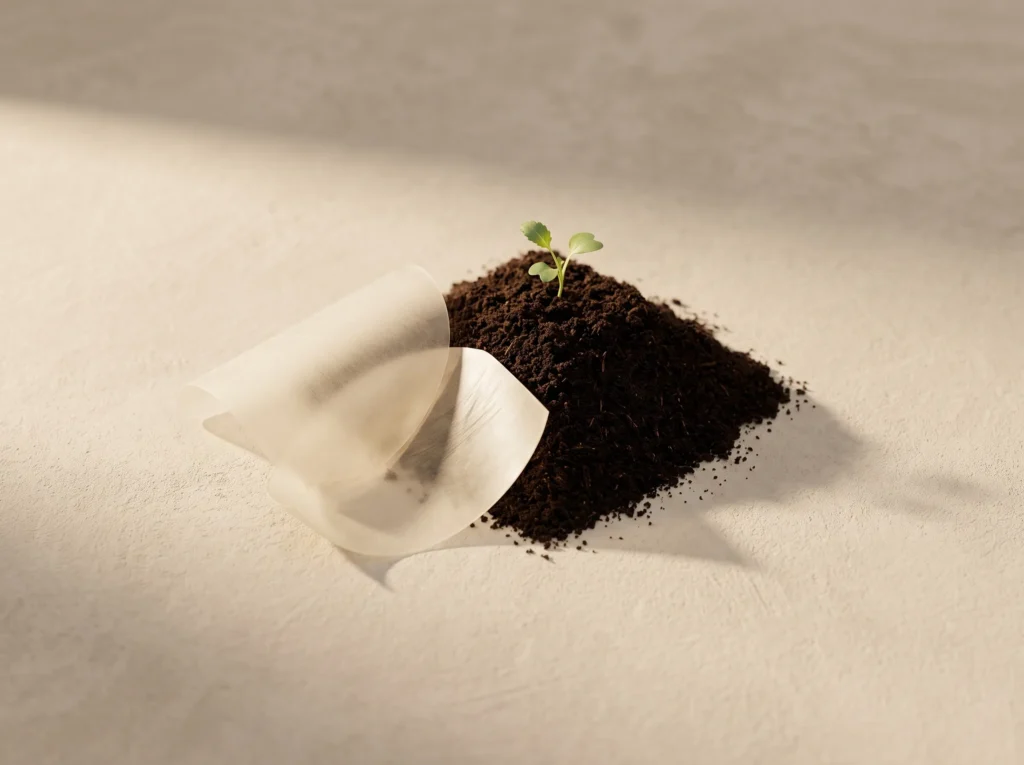
Compostable Materials
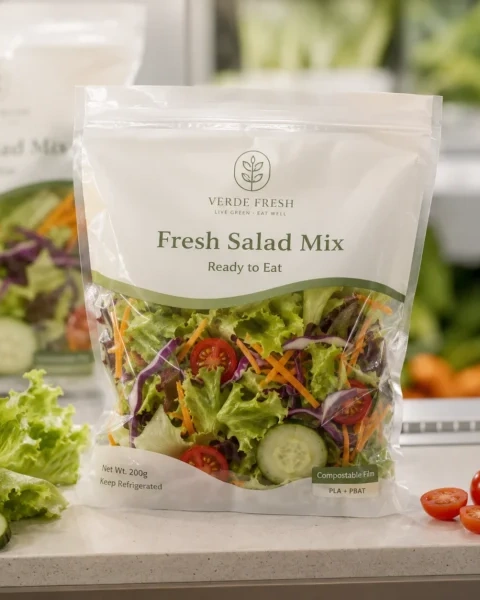
Certified compostable materials are designed to break down under specified composting conditions. Suitability must be evaluated for the complete package, including inks, adhesives, zippers, and valves.
Industrial and home composting require different conditions. Claims should be based on the certification scope of the complete package or the specific certified components.
Sustainable Packaging Materials
Available options include PE-based mono-material structures, packaging incorporating PCR content, and selected PLA- or PBAT-based materials. Recyclability, recycled content, and compostability must be evaluated for the complete package and target market.
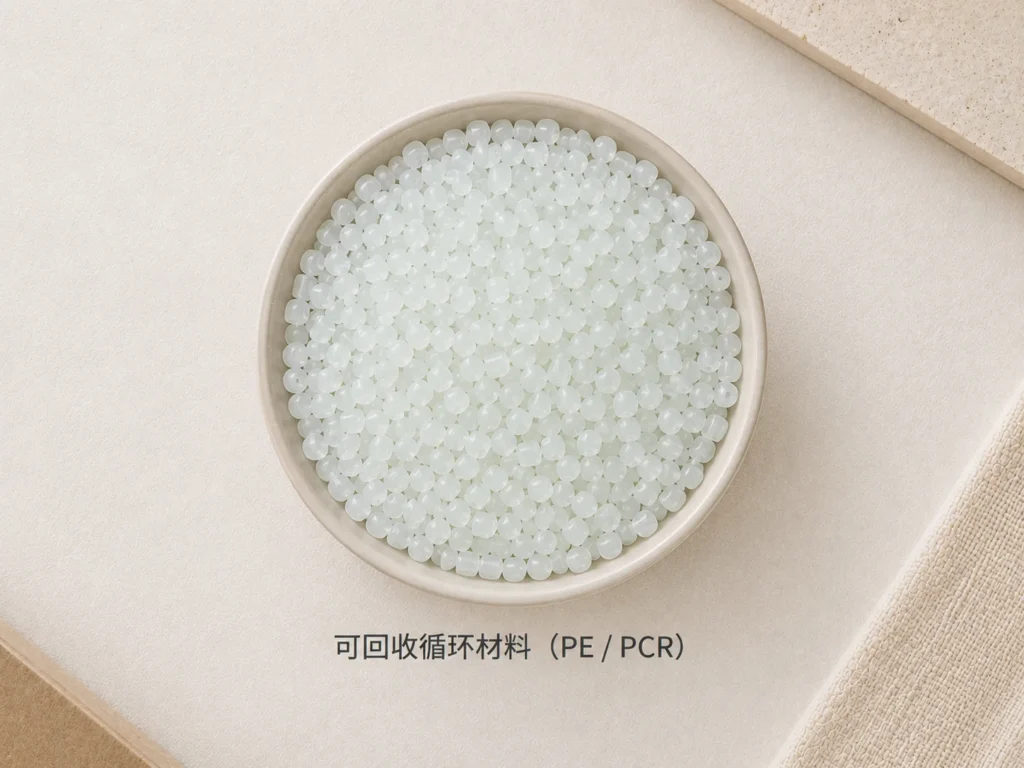
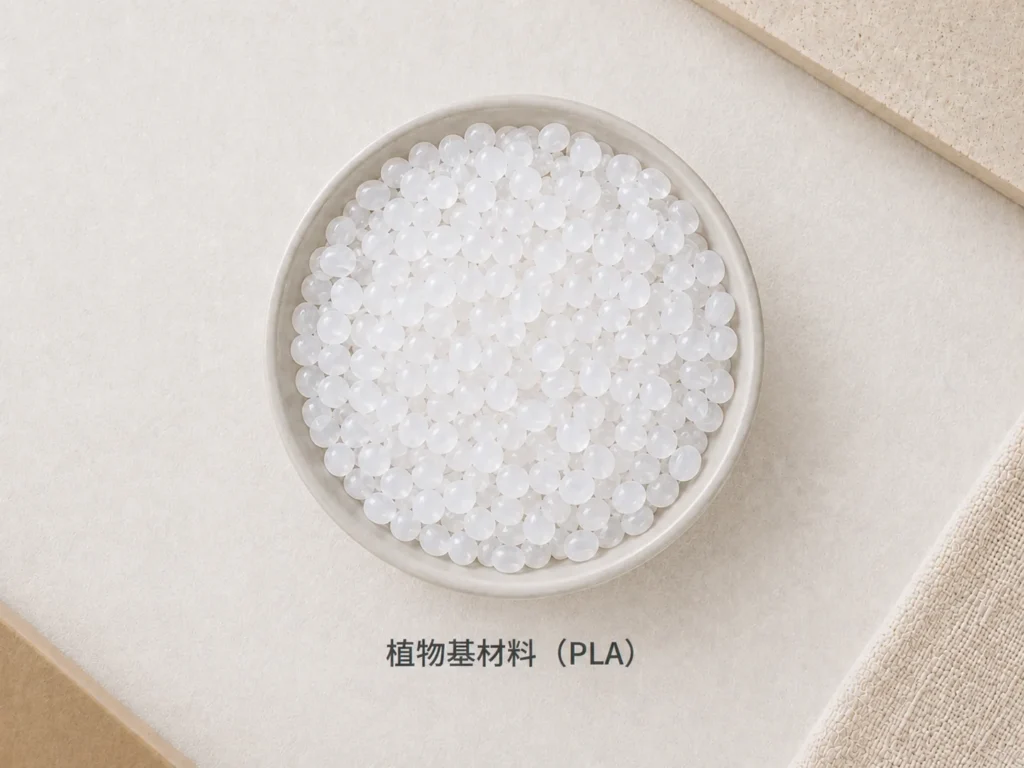
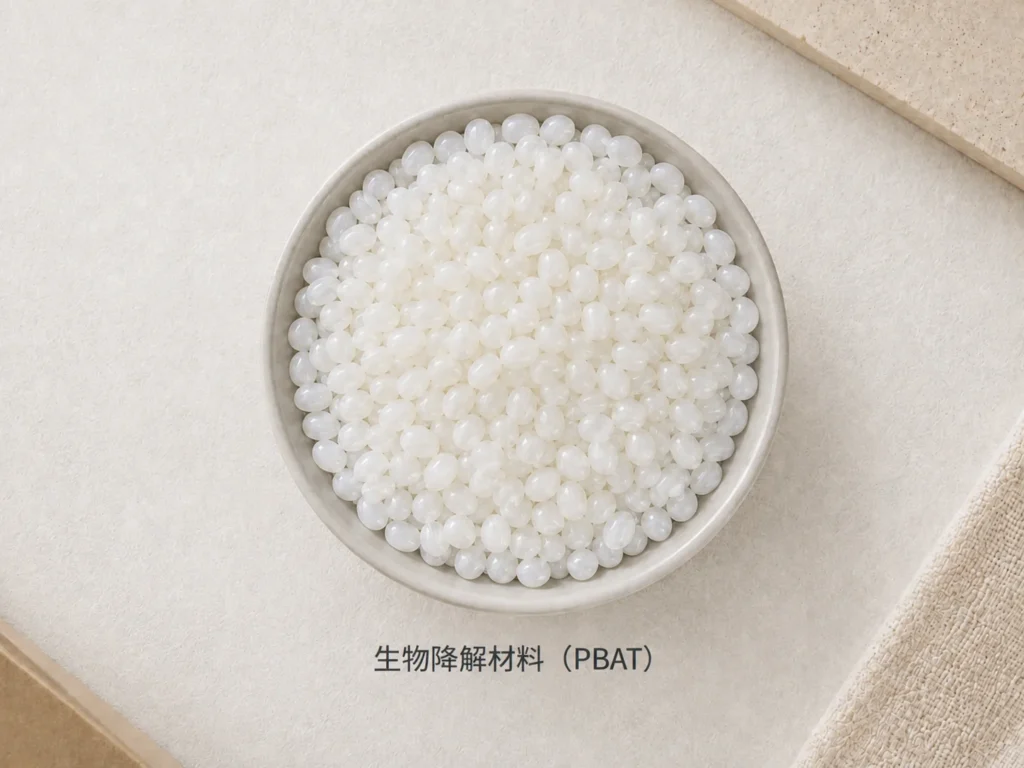
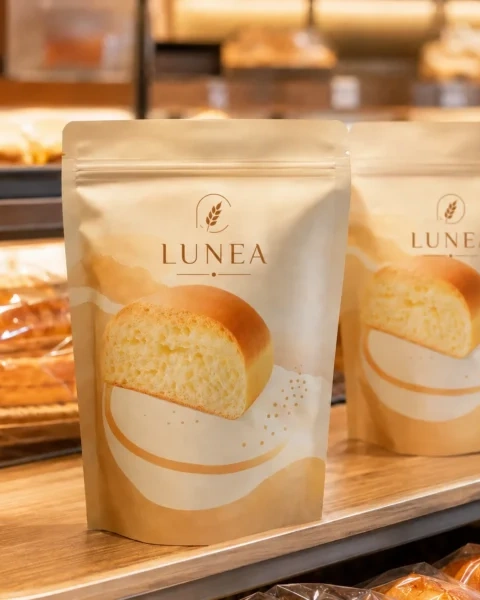
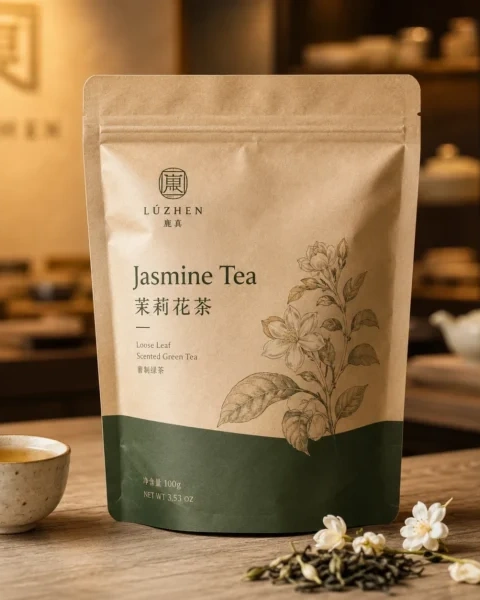
Sustainable packaging does not mean changing product presentation. Depending on the material and package structure, lower-impact packaging options can deliver strong print quality, shelf appeal, and functional performance. Each project should be evaluated against product-protection, processing, and distribution requirements.
Sustainable Packaging FAQ
Is All Flexible Packaging Recyclable?
No. Whether packaging can be recycled depends on the material structure, local sorting equipment, and waste classification policies. Most recycling channels reject multi-layer metallized laminates or multi-material packaging that cannot be separated; recycling standards vary by region, so export shipments must verify local recycling requirements in advance.
Can Mono-Material Packaging Replace Laminated Structures?
Mono-material structures may be suitable for selected dry goods, frozen foods, and home and personal care products, depending on barrier, sealing, processing, and shelf-life requirements. Products requiring high oxygen, light, or grease barriers may need specially engineered structures.
How Should Compostable Films Be Stored?
Compostable films should be stored under the conditions specified by the material supplier. Heat and humidity may accelerate aging, so moisture-resistant secondary packaging and controlled storage periods may be required.
What Documentation Is Required for International Markets?
Documentation requirements vary by target market and packaging claim. Recyclability, recycled content, bio-based content, and compostability claims should be supported by relevant material declarations, test reports, or certifications applicable to the complete package or identified components.
Are Bio-Based and Compostable Materials the Same Thing?
No. Bio-based describes the source of the feedstock, while compostable describes end-of-life behaviour under specified conditions. “Bio-based” does not mean the finished package will biodegrade or compost automatically; specific bio-based content and compostability should be supported by material documentation, test results, or certification.