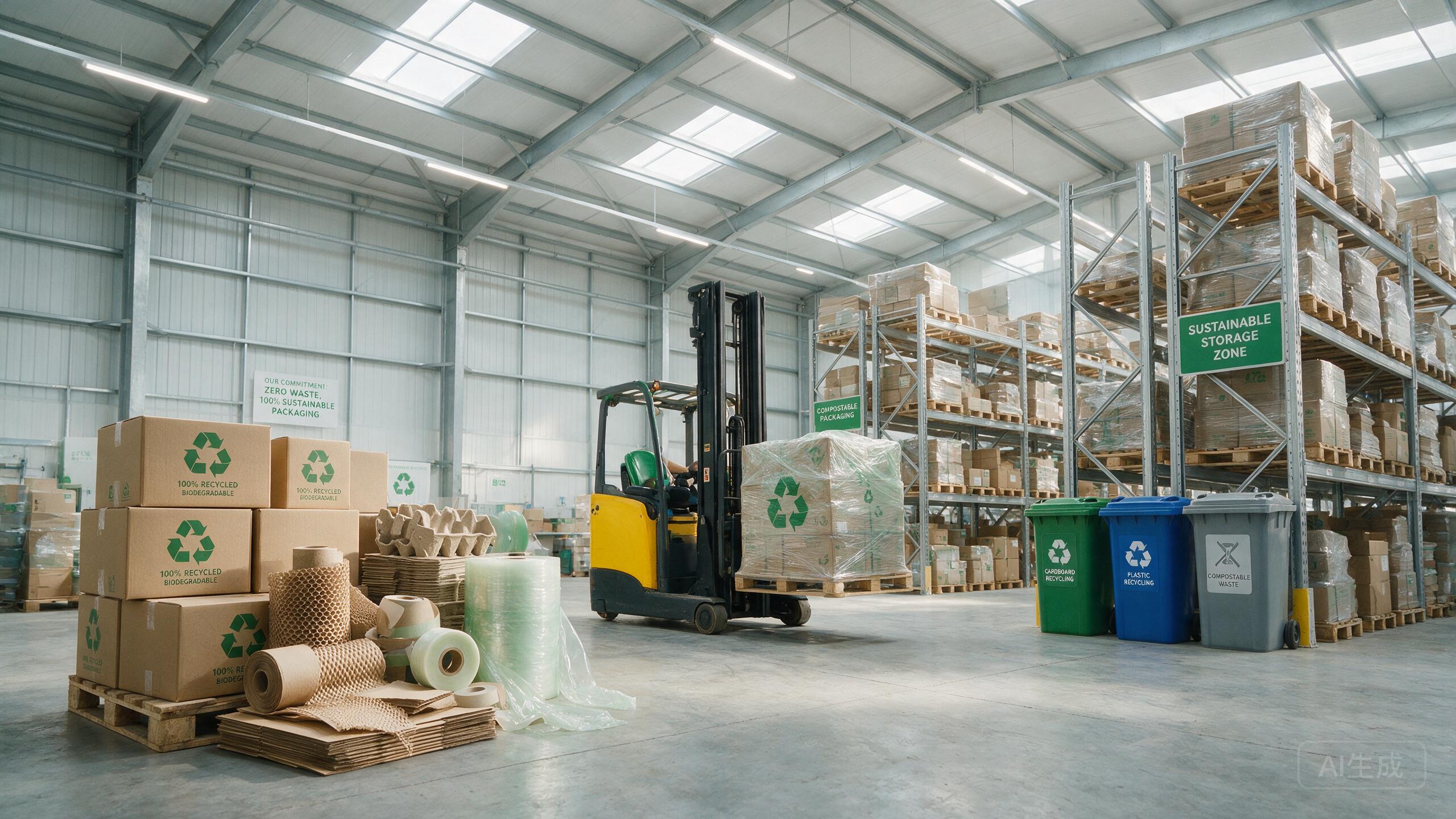
2026 Brings a Wave of Packaging Regulatory Changes
Since the start of 2026, China’s State Administration for Market Regulation (SAMR) and the Ministry of Ecology and Environment have issued a series of new policies and standards targeting plastic packaging. From an expanded plastic ban to updated GB 4806 food contact standards, these changes will significantly impact how food and consumer goods companies manage their packaging. This article breaks down the most important regulatory developments of 2026 so far and what they mean for your business.
China’s Plastic Ban Expands: New Categories Under Control
The supplementary notice to the Opinions on Further Strengthening Plastic Pollution Control, issued in March 2026, adds the following packaging categories to the regulated list:
- Single-use plastic tableware: Ban on non-degradable plastic tableware in dine-in restaurants expanded from prefecture-level cities to county-level urban areas
- Express delivery packaging: By end of 2026, all express delivery stations nationwide must phase out non-degradable plastic bags, tape, and woven bags
- Hotel amenities: Hotels may no longer proactively provide single-use plastic toiletries, with small-format plastic bottles becoming a key target
- Produce bags and wrap: Supermarket produce bags must use biodegradable materials; food wrap must carry material and recycling labels
For food companies, the most immediate impact is on outer packaging for e-commerce delivery and fresh food logistics. Switching to biodegradable materials or mono-material recyclable structures is no longer optional — it’s a regulatory necessity.
New GB 4806 Standards for Food Contact Materials
In early 2026, the National Health Commission published updated GB 4806 standards, tightening requirements for plastic materials in contact with food:
- Lower overall migration limits: Reduced from 10 mg/dm² to 6 mg/dm² for certain plastics
- New restricted substance list: Stricter migration limits for photoinitiators, antioxidants, plasticizers and other additives
- Mandatory labeling: Food-contact plastic packaging must now clearly indicate material type, temperature range, and microwave suitability
This means food packaging buyers must review their entire supply chain, ensuring that films, inks, adhesives, and other auxiliary materials from their suppliers meet the latest standards. Product labels will also need updating.
Express Packaging Green Transformation Accelerates
According to the State Post Bureau, China’s express delivery volume exceeded 180 billion parcels in 2025, generating over 2 million tons of plastic waste. The 2026 Express Packaging Green Transformation Plan sets the following milestones:
- End of 2026: 90%+ of e-commerce parcels to eliminate secondary packaging
- 2027: 15 million reusable express containers in circulation
- 2028: 70% recycling rate for plastic packaging waste industry-wide
E-commerce and food companies should prepare in two directions: switching outer packaging to biodegradable or recyclable materials, and designing primary packaging to reduce the need for secondary wrapping.
Recommended Compliance Strategy
We recommend a four-step approach to navigate these regulatory changes:
- Audit your materials: Cross-check current packaging against the latest GB 4806 food contact standards, focusing on migration values and restricted substances
- Evaluate alternatives: Test biodegradable options (PLA, PBAT) or mono-material recyclable structures before regulations force the switch
- Review suppliers: Request updated third-party test reports from all packaging suppliers confirming compliance with new standards
- Update labels: Revise material markings, recycling classifications, and usage instructions in line with new labeling requirements
Compliance Starts with Awareness
Packaging regulations are evolving faster than ever. Staying informed and planning ahead not only helps avoid compliance penalties but also creates an opportunity to build brand value through sustainable packaging practices.
Need expert guidance on packaging compliance or customized solutions that meet the latest standards? Contact OMOPACK for end-to-end support from material selection to finished production.